6 Expert Ways How to Grow Anise Seeds
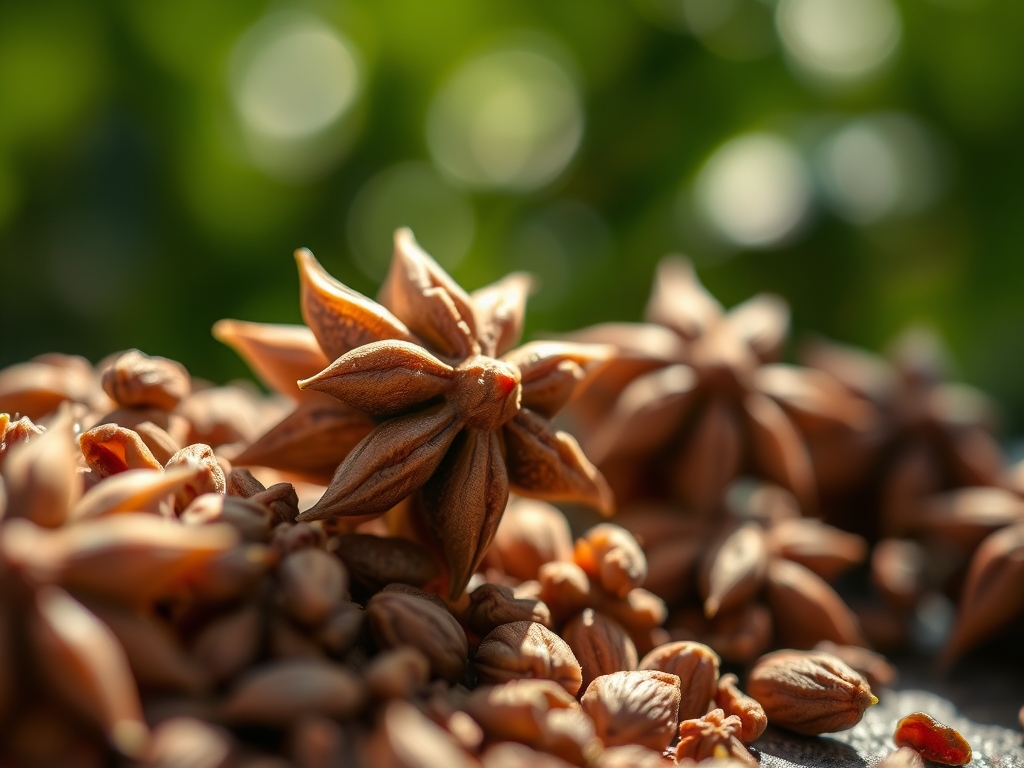
The smell of crushed Pimpinella anisum foliage releases a sharp, licorice-scented volatile oil that signals high turgor pressure within the plant vascular system. Mastering how to grow anise seeds requires a technical understanding of the Mediterranean climate and the specific physiological needs of the Apiaceae family. This annual herb demands a long, warm growing season of at least 120 days to reach full maturity. Success is not measured by casual observation but by the precise management of soil temperature, moisture levels, and photoperiod exposure.
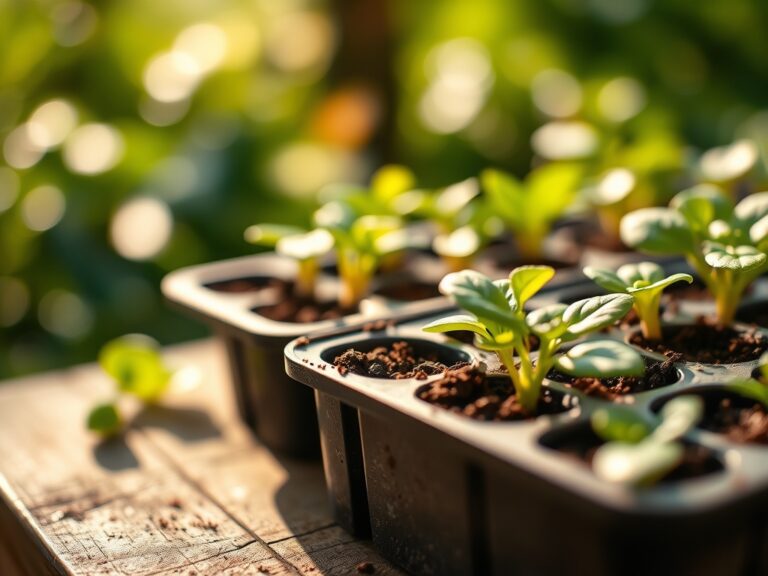
Anise plants are sensitive to root disturbance due to their taproot structure. To grow anise seeds effectively, the cultivator must prioritize direct sowing into a prepared seedbed or utilize biodegradable peat pots to minimize transplant shock. The goal is to facilitate a seamless transition from the cotyledon stage to the development of compound, pinnate leaves. High humidity and poor air circulation are the primary enemies of this crop; they invite fungal pathogens that can collapse a stand in days. Professional cultivation focuses on the intersection of soil chemistry and environmental stability to ensure the plant transitions successfully from vegetative growth to the production of the prized schizocarps.
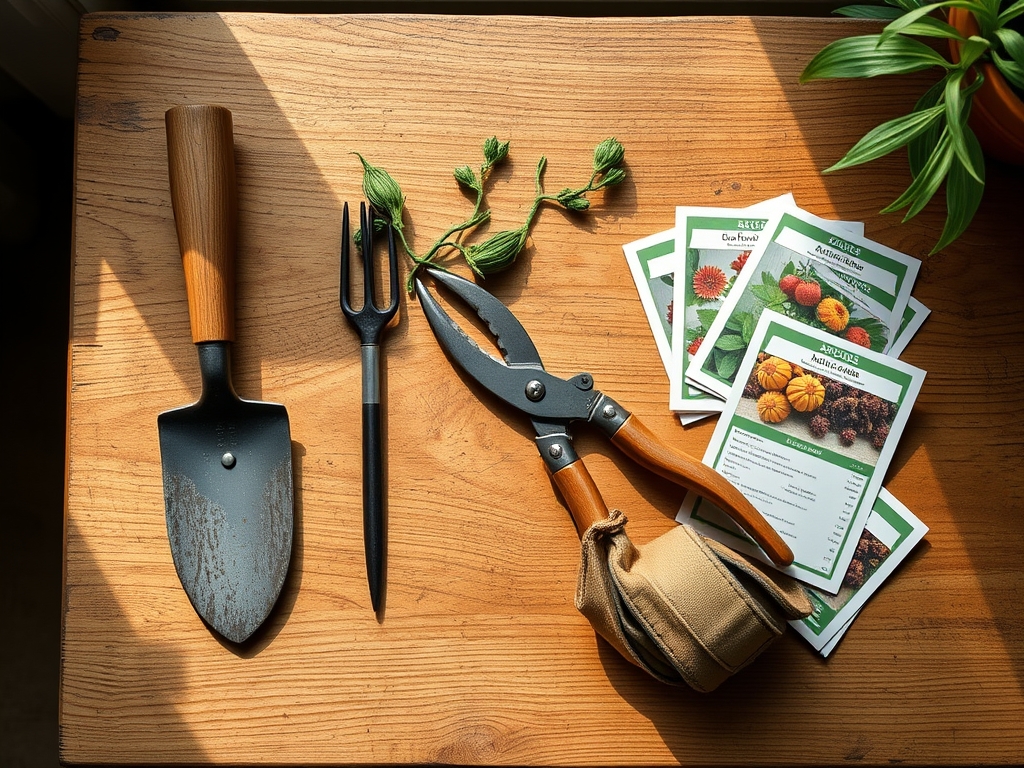
Materials:
Successful cultivation begins with a friable loam that allows for unrestricted taproot expansion. The soil must possess a high Cation Exchange Capacity (CEC) to ensure nutrients remain available in the rhizosphere. Aim for a soil pH between 6.0 and 6.7. If the substrate is too acidic, nutrient lockout occurs; if too alkaline, micronutrients like iron become unavailable.
Nutrient management requires a specific NPK ratio. For the initial vegetative phase, utilize a 5-10-10 fertilizer or a similar low-nitrogen amendment. Excessive nitrogen promotes lush leaf growth at the expense of essential oil concentration and seed production. The substrate must be well-draining; a mixture of 60% sandy loam, 20% composted organic matter, and 20% perlite provides the necessary porosity. Ensure the planting site receives full solar radiation, totaling no less than 7 hours of direct light daily.
Timing:
Anise is hardy in USDA Zones 4 through 11, but it is strictly an annual that thrives when soil temperatures consistently reach 70 degrees Fahrenheit (21 Celsius). The biological clock of Pimpinella anisum is governed by thermal units. Sowing should occur approximately two weeks after the last predicted frost.
The transition from the vegetative stage to the reproductive stage is triggered by the lengthening days of late spring. This photoperiod response ensures the plant flowers during the peak of summer heat. If planted too late, the plant may undergo premature senescence before the seeds have fully desiccated on the umbels. Monitoring the "Growing Degree Days" (GDD) is the professional standard for predicting the exact window for flower initiation.
Phases:
Sowing
Directly sow seeds at a depth of 0.125 to 0.25 inches. Space the rows 18 inches apart to facilitate airflow. Because anise seeds require a period of darkness to break dormancy, ensure they are completely covered by the substrate. Maintain a consistent moisture level during the 14 to 21 day germination period.
Pro-Tip: Anise seeds exhibit epigeal germination, where the hypocotyl lifts the cotyledons above the soil. To improve emergence rates, pre-soak seeds in room temperature water for 24 hours to soften the seed coat and leach out germination inhibitors.
Establishing
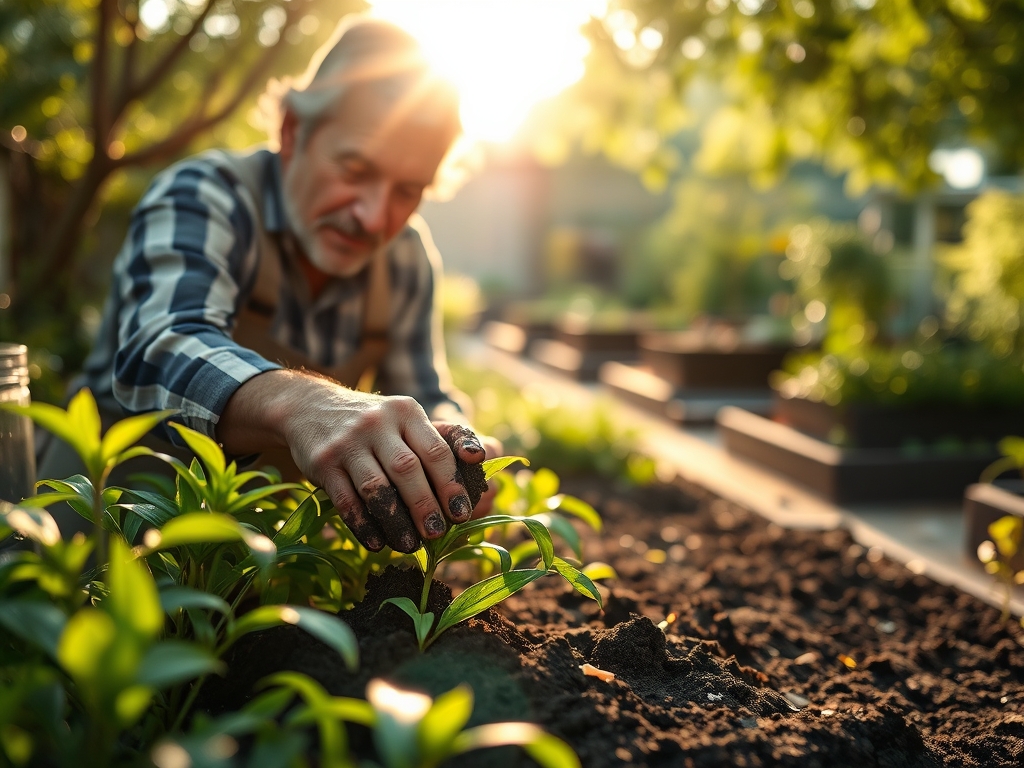
Once the seedlings reach 2 inches in height, thin them to a final spacing of 6 to 12 inches. Use a hori-hori knife to slice the unwanted seedlings at the soil line rather than pulling them. This prevents the disruption of the delicate root hairs of the remaining plants.
Pro-Tip: Maintaining soil integrity supports mycorrhizal symbiosis. These beneficial fungi extend the reach of the root system, increasing the uptake of phosphorus and water, which is critical for the structural integrity of the tall, hollow stems.
Flowering and Seed Set
As the plant reaches its terminal height of 18 to 24 inches, it will produce compound umbels. During this phase, reduce nitrogen application entirely. The plant now redirects its energy from leaf production to the synthesis of anethole, the primary chemical compound in the seeds.
Pro-Tip: The plant utilizes auxin suppression to manage growth. By removing the primary terminal umbel after it has set seed, you can sometimes encourage the development of secondary lateral umbels, though this may delay the final harvest.
The Clinic:
Symptom: Yellowing of lower leaves (Chlorosis)
Solution: This is often a sign of Nitrogen deficiency or waterlogged soil. Check the drainage. If the soil is dry, apply a liquid kelp emulsion to provide a quick boost of bioavailable nutrients without overstimulating the plant.
Symptom: White, powdery coating on foliage
Solution: This indicates Powdery Mildew. Increase spacing between plants to improve air circulation. Use a soil moisture meter to ensure you are not overhead watering; moisture on the leaves facilitates fungal spore germination.
Symptom: Sudden wilting despite moist soil
Solution: This suggests Root Rot or Damping Off. Improve soil porosity by incorporating coarse sand or perlite. Ensure the bypass pruners used for maintenance are sterilized with 70% isopropyl alcohol to prevent the spread of soil-borne pathogens.
Fix-It: Nutrient Deficiencies
If the leaf margins appear scorched or purple, the plant is likely suffering from Phosphorus deficiency. This is common in cold soils. Apply a bone meal amendment or a high-phosphate starter fertilizer to support the energy-intensive process of seed formation.
Maintenance:
Precision irrigation is the cornerstone of anise maintenance. The crop requires 1.5 inches of water per week, delivered at the drip line to keep the foliage dry. Use a soil moisture meter to verify that the top 2 inches of soil have dried out before re-applying water. Over-saturation leads to a decrease in the concentration of volatile oils.
Weed competition must be managed aggressively during the first 60 days. Use a hori-hori knife to remove deep-rooted weeds. Once the anise canopy closes, it will naturally shade out most competitors. If the plants become top-heavy during the flowering stage, provide support using thin bamboo stakes and soft twine to prevent stem breakage during high-wind events.
The Yield:
Harvesting occurs when the seeds turn from green to a grey-brown hue and the umbels begin to dry. This typically happens in late summer or early autumn. Cut the entire flower head using bypass pruners, leaving a few inches of stem attached.
To maintain "day-one" freshness and potency, hang the umbels upside down in a cool, dark, and well-ventilated area. Place a paper bag over the heads to catch the seeds as they naturally abscise from the plant. Once the seeds are brittle and break easily under pressure, store them in airtight glass containers. Properly dried anise seeds will retain their aromatic properties for up to two years if kept away from direct thermal radiation and light.
FAQ:
Can I grow anise seeds indoors?
Yes, but it is difficult due to the taproot. Use deep biodegradable pots and high-intensity discharge (HID) lighting to simulate full sun. Ensure the indoor temperature remains consistently above 70 degrees Fahrenheit for optimal growth.
How long does it take for anise to flower?
Anise typically begins the transition from vegetative growth to flowering approximately 60 to 90 days after germination. The exact timing depends on the accumulated Growing Degree Days and the specific photoperiod of your latitude.
Why are my anise seeds not germinating?
Low germination is usually caused by old seed stock or incorrect planting depth. Anise seeds lose viability quickly. Ensure seeds are less than a year old and buried no deeper than 0.25 inches in warm soil.
Does anise require a lot of fertilizer?
No. Anise thrives in moderate fertility. High-nitrogen fertilizers result in weak stems and low oil content. Focus on a balanced 5-10-10 NPK ratio and high organic matter to support the plant's natural development.