8 Identification Steps to Remove Powdery Mildew
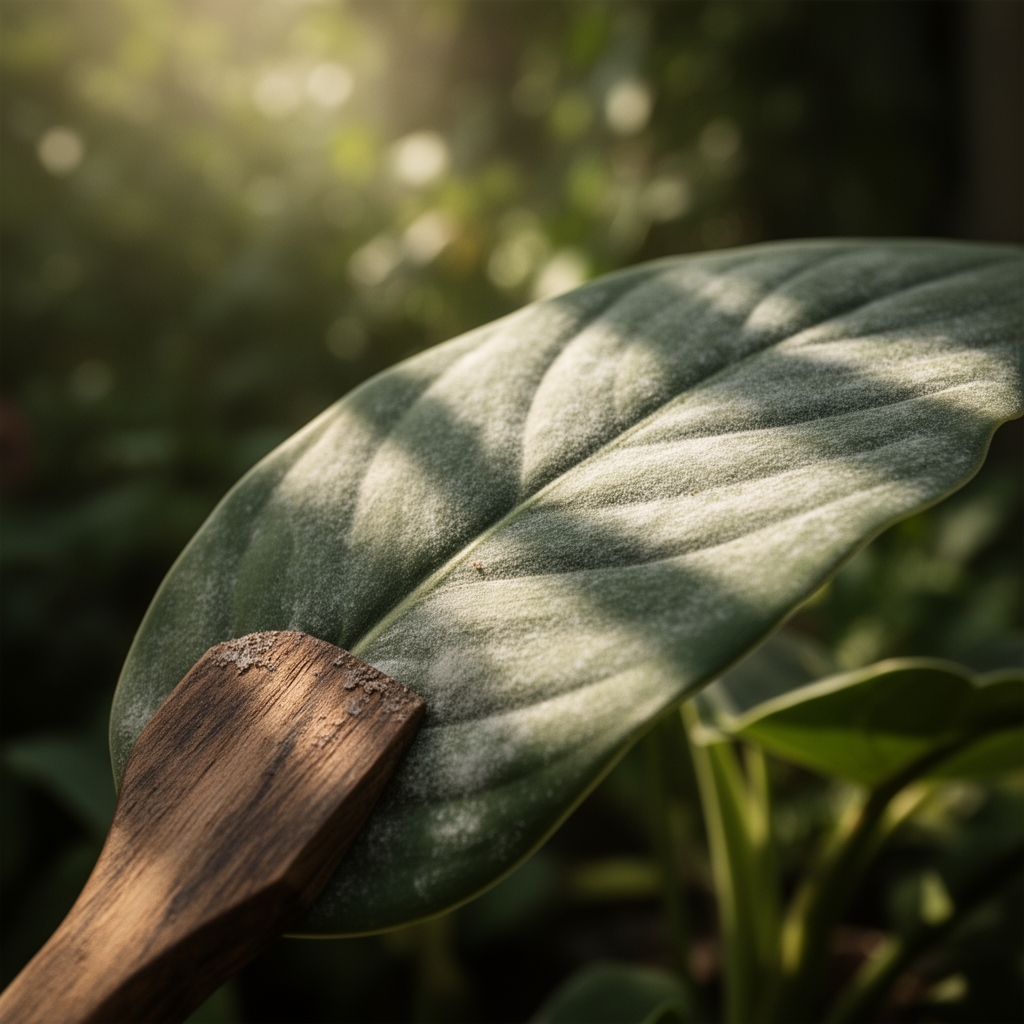
Powdery mildew appears first as small, circular white spots on the upper surfaces of leaves, resembling talcum powder dusted across your houseplant's foliage. These fungal colonies spread rapidly in low-light conditions with poor air circulation, creating a distinctive chalky coating that disrupts photosynthesis and stunts growth. Steps for identifying powdery mildew on houseplants begin with close inspection of leaf surfaces under bright light, where the pathogen's mycelial threads become visible to the naked eye. The disease progresses from isolated spots to confluent patches, eventually yellowing leaves and causing premature defoliation if left untreated.
Materials
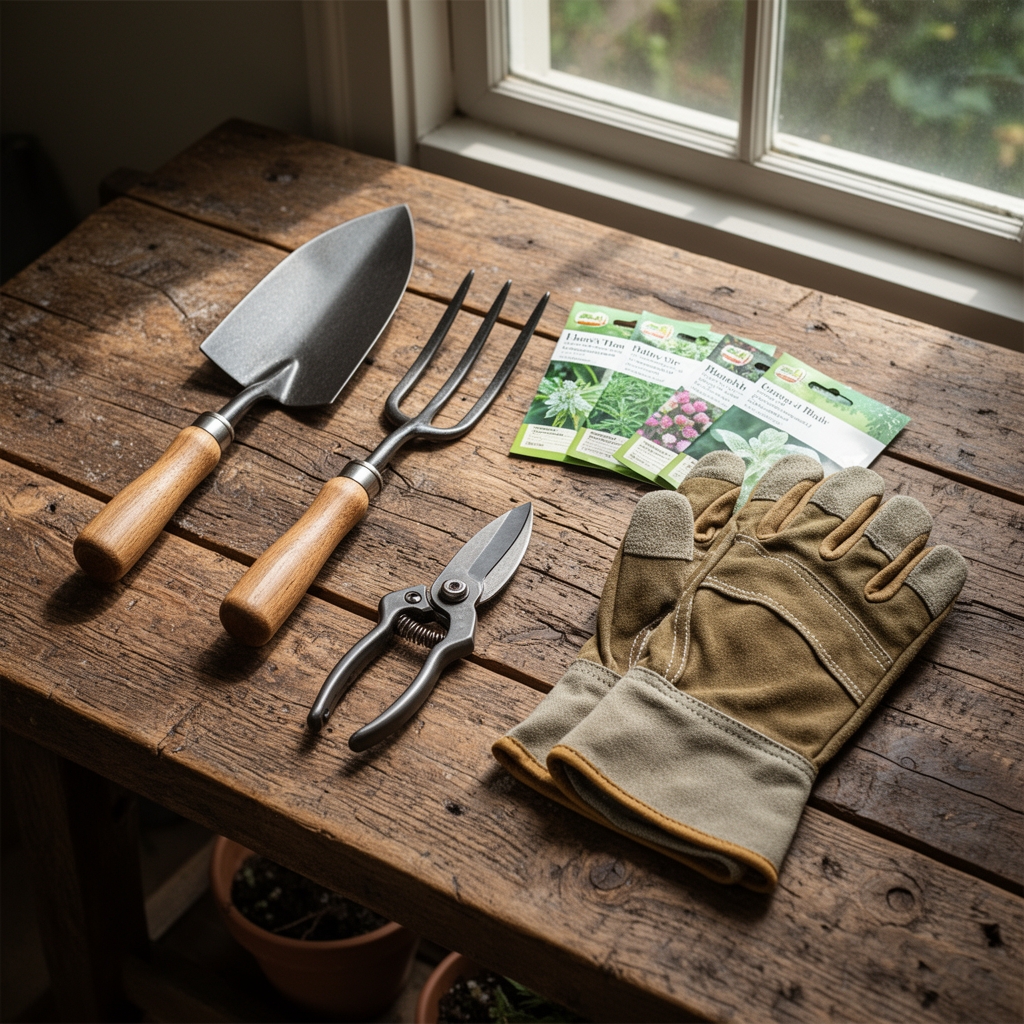
Effective mildew management requires specific supplies organized by function and chemistry. For preventive foliar applications, mix potassium bicarbonate at 1 tablespoon per gallon of water with pH adjusted to 7.0-8.0. Neem oil concentrate (70% active azadirachtin) serves as both fungicide and pest deterrent when emulsified at 2 tablespoons per gallon. Sulfur-based fungicides work best at pH 6.0-7.0, applied as wettable powder at manufacturer specifications.
Soil amendments influence plant immunity through nutrient balance. Apply 4-4-4 organic fertilizer (feather meal, bone meal, kelp) monthly to support balanced growth without excess nitrogen that produces susceptible tissue. Incorporate mycorrhizal fungi inoculant at transplanting to enhance phosphorus uptake and systemic acquired resistance. Maintain substrate pH between 6.0-6.5 for optimal cation exchange capacity and calcium availability.
Diagnostic tools include a 10x hand lens for spore observation, hygrometer for humidity monitoring, and sterile pruning shears dipped in 10% bleach solution between cuts.
Timing
Indoor environments eliminate traditional hardiness zone considerations, but seasonal light cycles affect susceptibility. Powdery mildew pressure peaks during late autumn through early spring when indoor heating reduces relative humidity below 40% and decreases natural air movement. This coincides with reduced auxin distribution in shorter photoperiods, weakening plant defenses.
Begin weekly inspections in September for northern latitudes (Zones 3-6) and November for southern regions (Zones 7-10) where heating systems activate later. Increase monitoring frequency to twice weekly when indoor temperatures exceed 70°F with humidity below 50%, the optimal range for Erysiphales fungi germination.
Preventive treatments start two weeks before historical infection dates. For established collections, this means mid-August applications in anticipation of fall conditions.
Phases

Identification Phase
Examine leaf surfaces systematically from newest growth downward. White powdery spots appear first on mature leaves in shadowed areas where air stagnates. Rub suspected patches gently with your finger; powdery mildew wipes away temporarily but reappears within 24 hours, unlike mineral deposits that remain removed. Check leaf undersides for tiny black cleistothecia (fungal fruiting bodies) indicating advanced infection.
Inspect stems and petioles for white mycelial growth spreading from leaf junctions. Smell affected foliage; powdery mildew produces a subtle musty odor distinct from healthy plant tissue. Document infection locations with dated photographs for progression tracking.
Pro-Tip: Place a sheet of black construction paper under suspected leaves and tap sharply. Powdery mildew spores appear as white dust on dark paper, confirming diagnosis before visible symptoms fully develop.
Treatment Phase
Isolate infected plants immediately to prevent spore dispersal via air currents. Remove heavily infected leaves at the petiole base using sterilized shears, cutting at a 45-degree angle to prevent water accumulation. Dispose of infected material in sealed plastic bags, never compost.
Spray remaining foliage with potassium bicarbonate solution until runoff, coating upper and lower leaf surfaces. Apply treatments in early morning to allow four hours of drying time before nightfall. Repeat applications every 7 days for three weeks.
Increase air circulation with oscillating fans positioned to avoid direct drafts on foliage. Maintain 18 inches minimum spacing between plant canopies to disrupt spore transmission corridors.
Pro-Tip: Add one drop of insecticidal soap per gallon of fungicide solution as a spreading agent, improving coverage on waxy leaf cuticles without phytotoxicity.
Prevention Phase
Maintain relative humidity between 40-60% using humidifiers or pebble trays without allowing water to contact pot bottoms. Space plants to ensure each receives adequate light; low irradiance below 200 foot-candles weakens cuticle structure.
Apply compost tea every 14 days to foliate surfaces, introducing beneficial bacteria that compete with fungal pathogens for leaf space. The Bacillus subtilis strains in aged compost produce antifungal lipopeptides that suppress mildew germination.
Prune dense growth to open canopy structure, removing inward-facing branches and water sprouts. Strategic pruning redirects auxin distribution toward productive growth while eliminating microclimate pockets favorable to infection.
Pro-Tip: Sterilize pruning tools between plants using 70% isopropyl alcohol rather than bleach; alcohol evaporates rapidly without leaving corrosive residues that degrade blade edges.
Troubleshooting
Symptom: White spots persist after three fungicide applications.
Solution: Switch active ingredients; fungi develop resistance after repeated exposure. Alternate between potassium bicarbonate, neem oil, and sulfur on 7-day rotations.
Symptom: Yellow halos surround white patches indicating secondary bacterial infection.
Solution: Apply copper fungicide at 1.5 tablespoons per gallon, ensuring pH stays below 7.0 for copper solubility. Reduce watering frequency to dry surface soil between irrigations.
Symptom: New growth emerges distorted after mildew treatment.
Solution: Phytotoxicity from excessive sulfur or oil concentration. Flush soil with three volumes of pH 6.5 water and suspend foliar applications for 14 days.
Symptom: Mildew reappears on same leaves after apparent cure.
Solution: Fungal mycelium persists inside leaf tissue. Remove affected leaves entirely rather than treating superficial growth.
Symptom: Widespread sudden wilting accompanies mildew spots.
Solution: Root rot from overwatering stressed plants. Unpot specimen, trim brown mushy roots, and repot in sterile medium with improved drainage using 30% perlite amendment.
Maintenance
Water at soil level only, avoiding foliage wetting that extends leaf wetness duration beyond the critical 6-hour infection window. Provide 1 inch of water weekly when top 2 inches of substrate feels dry to touch. Empty saucers within 15 minutes to prevent root asphyxiation.
Fertilize with 5-10-10 formulation every 30 days during active growth, shifting to 3-4-4 ratio in winter dormancy. Excess nitrogen above 10% N produces succulent tissue with thin cell walls susceptible to pathogen penetration.
Monitor with weekly inspections focusing on new growth and previously infected areas. Clean leaves monthly with damp microfiber cloth to remove dust that blocks stomatal gas exchange and harbors spore reservoirs.
Position plants where they receive species-appropriate light intensity. Most houseplants require 100-500 foot-candles; measure with a light meter and adjust placement to prevent stress-induced susceptibility.
FAQ
What causes powdery mildew on indoor plants?
Erysiphales fungi thrive in stagnant air with moderate temperatures (60-75°F) and humidity fluctuations. Poor air circulation and crowded plant spacing create ideal germination conditions.
Can powdery mildew spread to other plants?
Yes, airborne spores travel up to 20 feet through HVAC systems and natural convection. Isolate infected specimens immediately and treat neighboring plants preventively.
Is powdery mildew harmful to humans?
No, these fungi are obligate plant parasites requiring living host tissue. They do not infect animals or produce toxins hazardous to human health.
How long does treatment take?
Visible symptom resolution requires 14-21 days with weekly fungicide applications. Continue preventive measures for 60 days post-recovery to eliminate dormant mycelium.
Should I discard infected plants?
Discard only specimens with over 50% leaf area affected or recurring infections after three treatment cycles. Most plants recover fully with prompt intervention and environmental correction.