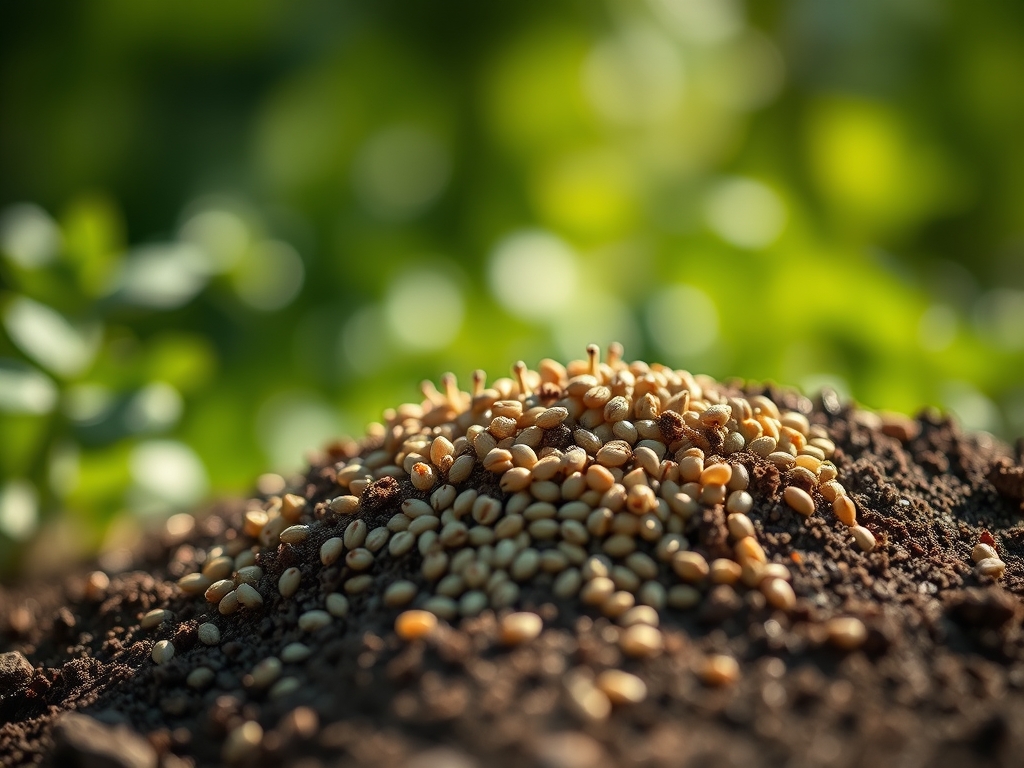
8 Simple Steps to Plant Caraway Seeds
Crushing a dry caraway seed between your teeth releases a sharp, earthy burst of carvone and limonene oils. This biennial herb, Carum carvi, demands a precise start to ensure the taproot develops sufficient turgor pressure to survive its first winter. Success begins with understanding the specific steps to plant caraway seeds to maximize oil concentration and seed head density. You are not just growing a spice; you are managing a two-year physiological cycle that requires high soil porosity and steady moisture levels. Proper execution during the initial sowing phase determines whether the plant will bolt prematurely or produce a robust umbel in its second season.
Materials:
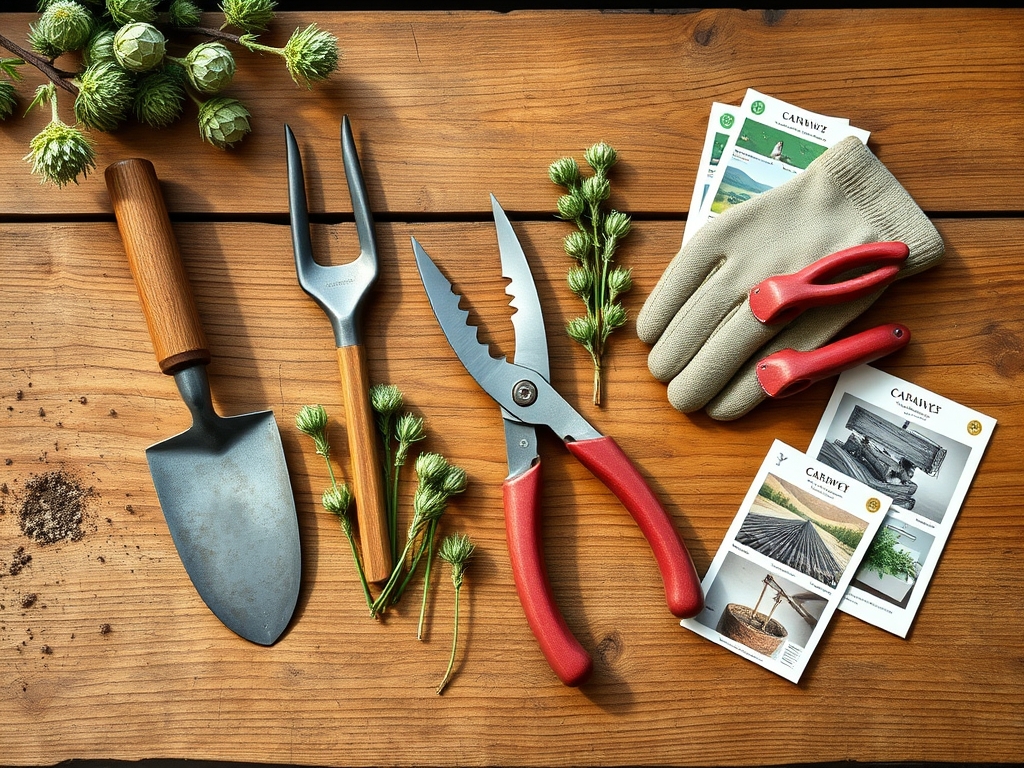
The foundation of caraway cultivation is a friable loam with a high sand content to facilitate taproot elongation. The substrate must have a pH between 6.0 and 7.0. Soils with a low Cation Exchange Capacity (CEC) will require supplemental organic matter to retain mobile nutrients like nitrogen.
Prepare your site with the following specifications:
- Fertilizer: A balanced NPK ratio of 10-10-10 or 5-10-10. Excessive nitrogen leads to lush vegetative growth but reduces the concentration of essential oils in the seeds.
- Soil Texture: Avoid heavy clays that cause root rot. The soil should crumble easily when squeezed; this indicates the structural integrity needed for the rhizosphere to breathe.
- Drainage: Caraway requires a well-drained environment. If using containers, ensure they are at least 12 inches deep to accommodate the primary taproot.
Timing:
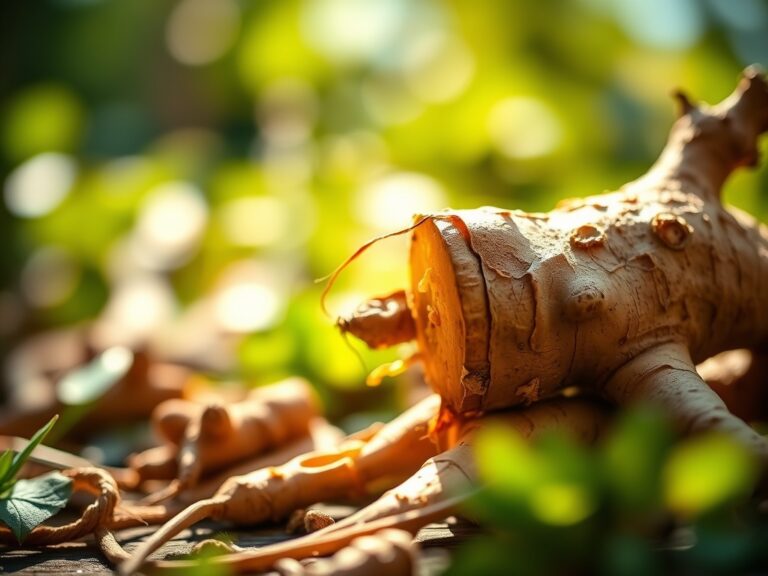
Caraway is hardy in USDA Zones 3 through 9. As a biennial, the plant spends its first year establishing a basal rosette of fern-like foliage and storing carbohydrates in its root system. The transition from the vegetative stage to the reproductive stage occurs only after a period of vernalization (exposure to cold temperatures).
Sow seeds in early spring, approximately two weeks before the last frost date, or in late autumn for emergence the following spring. The biological clock of Carum carvi is triggered by the photoperiod and temperature shifts. In Zone 7 and warmer, autumn sowing is often more successful as it allows the plant to establish a deep root system before the heat of summer induces dormancy or stress.
Phases:

Sowing the Foundation
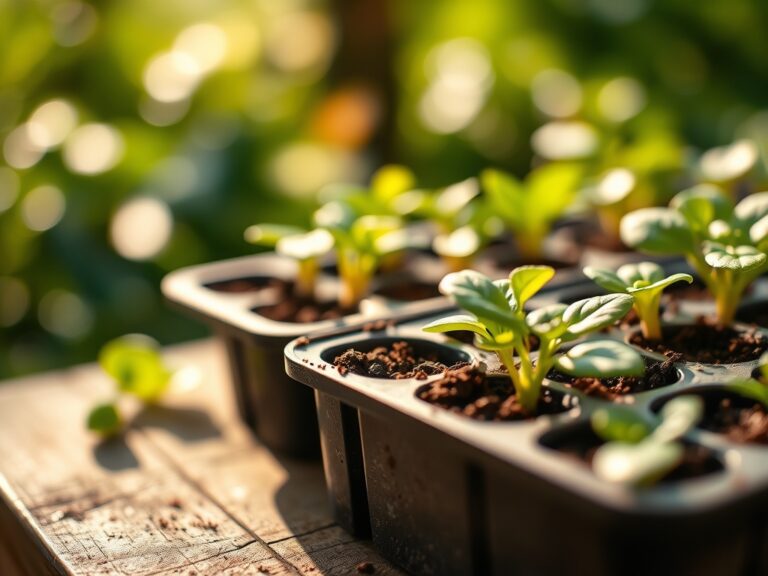
Direct sowing is the preferred method because caraway possesses a sensitive taproot that reacts poorly to disturbance. Clear the area of all weeds using a hori-hori knife to ensure no competition for nutrients. Sow seeds at a depth of 0.25 inches. Space the rows 12 inches apart to allow for adequate airflow between mature plants.
Pro-Tip: Caraway seeds are photoblastic, meaning they require a small amount of light to trigger germination. Do not bury them too deeply; a light dusting of fine soil or vermiculite is sufficient. This exposure ensures the phytochrome receptors in the seed coat activate the germination process.
Establishing the Rosette
Once seedlings reach 2 inches in height, thin them to a spacing of 8 to 10 inches. This reduction in plant density prevents "lodging," where plants fall over due to weak stem development. During this phase, the plant focuses on leaf production to fuel the expansion of the taproot.
Pro-Tip: Maintain consistent soil moisture to prevent auxin suppression. If the plant undergoes drought stress during the first sixty days, it may prioritize survival over root storage, leading to a weak floral display in the second year.
Overwintering and Bolting
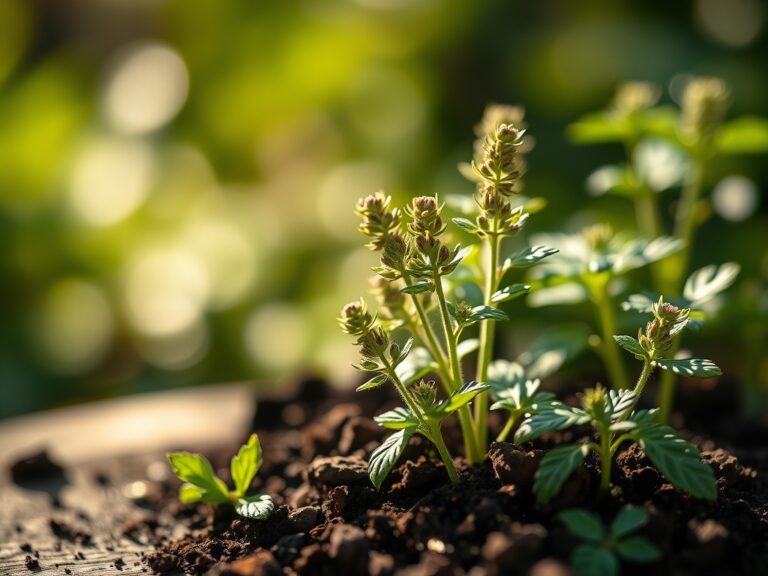
In the second spring, the plant will emerge from dormancy and rapidly produce a central stalk. This is the reproductive phase. The plant will reach heights of 24 to 30 inches. Support the stalks if you are in a high-wind area to prevent mechanical damage to the vascular tissue.
Pro-Tip: During the bolting phase, the plant relies on mycorrhizal symbiosis to pull phosphorus from the soil. Avoid disturbing the soil surface around the base of the plant to keep these fungal networks intact, ensuring maximum nutrient uptake for seed development.
The Clinic:
Physiological disorders in caraway often manifest through the foliage. Monitoring the plant's appearance allows for rapid intervention.
- Symptom: Yellowing of lower leaves (Chlorosis).
- Solution: This typically indicates a Nitrogen deficiency. Apply a side-dressing of compost or a diluted liquid fertilizer to restore chlorophyll production.
- Symptom: Stunted growth and purplish leaf margins.
- Solution: This is a sign of Phosphorus deficiency, often caused by cold soil temperatures inhibiting uptake. Ensure the soil is well-aerated to improve nutrient mobility.
- Symptom: Wilting despite moist soil.
- Solution: Check for Root Rot (Phytophthora). Improve drainage immediately by incorporating perlite or coarse sand into the surrounding area.
- Symptom: Rapid drying of leaf tips.
- Solution: Potassium deficiency affects the plant's ability to regulate stomatal opening. Apply a potassium-rich organic amendment like kelp meal.
Maintenance:
Precision is the hallmark of a professional horticulturist. Caraway requires 1.5 inches of water per week, delivered at the drip line rather than overhead. Overhead watering increases the risk of fungal pathogens on the delicate foliage. Use a soil moisture meter to verify that the top 4 inches of soil remain damp but not saturated.
Keep the area free of weeds using bypass pruners to snip any invasive growth at the soil level. Pulling large weeds near caraway can disturb its taproot and cause sudden senescence. If the soil surface crusts over, use a hand rake to lightly break the surface, improving oxygen exchange within the rhizosphere.
The Yield:
Harvesting occurs in the summer of the second year when the seeds turn from green to a deep chocolate brown. Timing is critical; if you wait too long, the umbels will shatter, scattering the seeds on the ground. Use sharp shears to cut the entire flower head when approximately 80 percent of the seeds have ripened.
Place the harvested umbels upside down in a paper bag and hang them in a cool, dry location with high ventilation. As the plant tissue dries, the seeds will naturally detach and fall to the bottom of the bag. For "day-one" freshness, store the dried seeds in airtight glass containers away from direct sunlight to prevent the degradation of volatile oils.
FAQ:
How long does caraway take to germinate?
Caraway seeds typically germinate within 10 to 21 days. Soil temperatures must remain between 60 and 70 degrees Fahrenheit. Consistent moisture is required during this window to soften the seed coat and allow the radicle to emerge.
Can caraway be grown in containers?
Yes, provided the container is at least 12 inches deep. The taproot requires vertical space to develop. Use a high-quality potting mix with added perlite to ensure the drainage necessary to prevent root rot in confined spaces.
Does caraway require full sun?
Caraway performs best in full sun, requiring at least six to eight hours of direct light daily. While it can tolerate partial shade, insufficient light will lead to leggy growth and a significant reduction in seed production and oil potency.
Is caraway a perennial or annual?
Caraway is a biennial. It completes its life cycle over two growing seasons. It produces foliage in the first year, survives the winter, and سپس flowers and sets seed in the second year before the plant finally dies.