8 Simple Steps to Plant Saffron Bulbs
The scent of damp, mineral-rich earth signals the precise window for geophyte activation. You are looking for the firm, fibrous turgor of a healthy Crocus sativus corm; a weightiness that indicates stored carbohydrates ready for the metabolic shift. Mastering the steps to plant saffron bulbs requires more than a casual interest; it demands an understanding of soil physics and the biological triggers that turn a dormant corm into the world's most valuable spice. Success is measured in millimeters of root growth and the specific gravity of the soil substrate.
To achieve a professional-grade harvest, one must move beyond basic gardening and into the realm of precision horticulture. Saffron is not a crop for the negligent. It requires a specific environmental recipe: intense summer heat to induce dormancy and a sharp drop in nocturnal temperatures to trigger flowering. By following these steps to plant saffron bulbs, you are managing a complex biological system that spans several months of underground development before a single purple petal breaks the surface.
Materials:
The foundation of saffron production is the substrate. You require a friable loam with a high sand content to ensure rapid drainage. Saffron corms are highly susceptible to fungal pathogens in anaerobic conditions. The soil must maintain a pH between 6.0 and 8.0; an acidic environment will stunt development and reduce the Cation Exchange Capacity (CEC), limiting the plant's ability to uptake vital minerals.
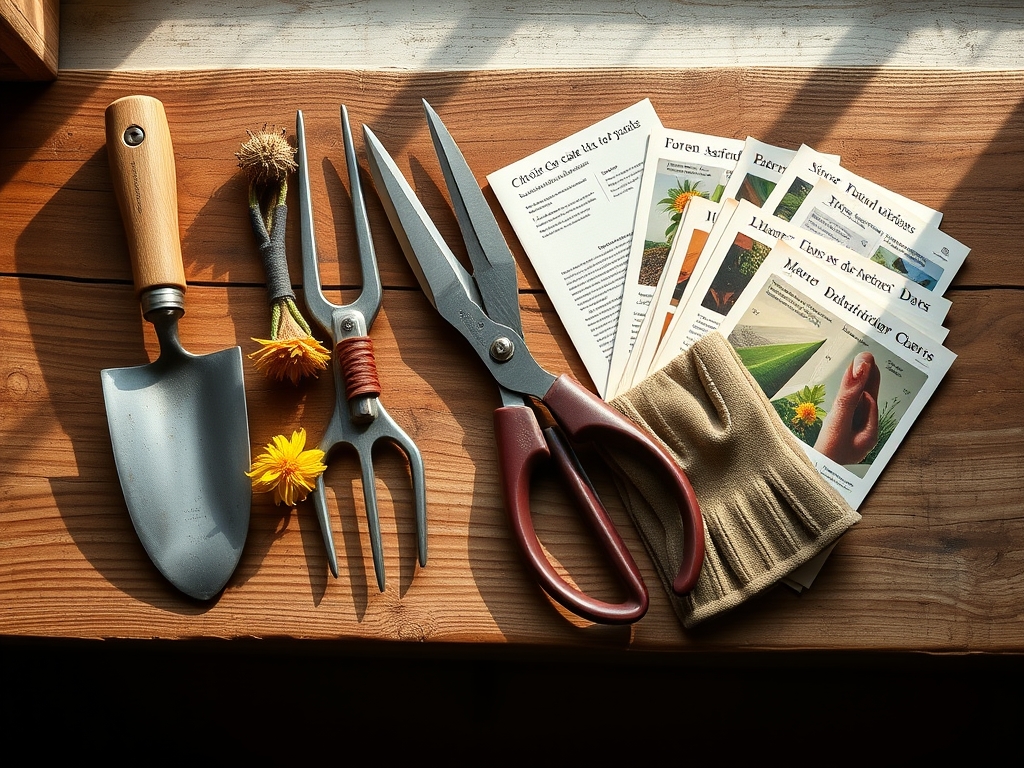
Prepare your site with a specific nutrient profile. Use a low-nitrogen, high-phosphorus, and high-potassium fertilizer. An NPK ratio of 5-10-15 is ideal. High nitrogen levels at the planting stage will result in excessive foliage growth at the expense of floral production and corm multiplication. You will also need a soil moisture meter to monitor the rhizosphere and a hori-hori knife for precise depth control during the excavation of planting trenches.
Timing:
Saffron operates on a strict biological clock. It is a fall-blooming crocus that thrives in USDA Hardiness Zones 6 through 9. In cooler climates, the window for planting opens in late August; in warmer regions, you may delay until mid-September. The transition from the vegetative stage to the reproductive stage is triggered by the photoperiod and a sustained drop in soil temperature to approximately 60 degrees Fahrenheit.
The corm enters a period of summer estivation where it requires high heat and zero supplemental irrigation. This heat treatment is critical for the differentiation of the floral primordia inside the corm. If the soil remains too cool or too wet during July and August, the plant will fail to produce the desired stigmas in October. You must time your planting to ensure at least 4 to 6 weeks of soil residence before the first hard frost.
Phases:

Sowing and Depth Management
Excavate a trench to a depth of 4 to 6 inches. Deep planting is a strategic move to protect the corm from temperature fluctuations and mechanical damage. Space the corms 3 to 4 inches apart to allow for the development of "daughter corms" over the next three seasons. Place the corm with the basal plate (the flat bottom) facing down and the pointed apex facing upward.
Pro-Tip: Deep planting (6 inches) suppresses the production of smaller, non-flowering corms while encouraging the growth of fewer, larger corms that have higher floral potential. This is a form of apical dominance management where the depth regulates the energy expenditure of the parent corm.
Transplanting and Site Selection
If you are moving established corms, perform this during the dormant period in July. Ensure the new site has full solar exposure. Saffron requires at least 6 to 8 hours of direct sunlight daily to maximize photosynthesis and carbohydrate storage. The soil must be amended with organic matter to improve the Cation Exchange Capacity, allowing for better retention of calcium and magnesium.
Pro-Tip: When transplanting, avoid damaging the protective tunic (the fibrous outer skin). This tunic acts as a biological barrier against soil-borne pathogens and prevents desiccation during the transition to the new rhizosphere.
Establishing and Root Development
Once the corms are in the ground, backfill with the amended soil and firm it gently to remove large air pockets. Air pockets can cause localized dehydration of the root initials. Apply a light layer of mulch to stabilize soil temperatures, but do not exceed 1 inch in thickness.
Pro-Tip: The first flush of roots, known as contractile roots, serves to pull the corm to its ideal depth in the soil profile. This is an example of geotropism where the plant uses gravity to orient its growth and secure its position against frost heave.
The Clinic:
Physiological disorders in saffron are often the result of environmental stress or nutrient imbalances.
- Symptom: Yellowing of leaf tips (Chlorosis).
Solution: This usually indicates a Nitrogen deficiency or poor drainage causing root hypoxia. Check soil moisture levels with a meter. If the soil is dry, apply a water-soluble 5-10-15 fertilizer. - Symptom: Stunted growth and lack of flowers.
Solution: This is often caused by overcrowding. If the corms have been in the ground for more than 4 years, the daughter corms are competing for limited nutrients. Dig and divide during the dormant season. - Symptom: Soft, mushy corms with a foul odor.
Solution: This is Corm Rot (Fusarium oxysporum). There is no cure. Remove infected plants and improve soil drainage by adding perlite or coarse sand to the substrate. - Fix-It for Calcium Deficiency: If new growth appears distorted or "hooked," top-dress with gypsum to provide calcium without significantly altering the soil pH.
Maintenance:
Precision is the hallmark of professional saffron maintenance. During the active growth phase (autumn and spring), ensure the plants receive 1.5 inches of water per week at the drip line. Use a soil moisture meter to verify that the moisture has penetrated to a depth of 6 inches. Avoid overhead watering to prevent the development of fungal spores on the foliage.
Keep the area strictly weed-free. Saffron is a poor competitor for nutrients and light. Use a hori-hori knife to remove weeds by the root without disturbing the shallow root system of the crocus. In late spring, as the leaves begin to turn yellow, the plant is entering senescence. Do not cut the foliage until it is completely brown and brittle; the plant is currently translocating nutrients from the leaves back into the corm for next year's cycle.
The Yield:
Harvesting occurs over a brief 2 to 3 week window in mid to late autumn. The flowers must be picked in the early morning before the petals fully unfurl to protect the volatile oils in the stigmas. Use bypass pruners or your fingernails to pluck the entire flower at the base.
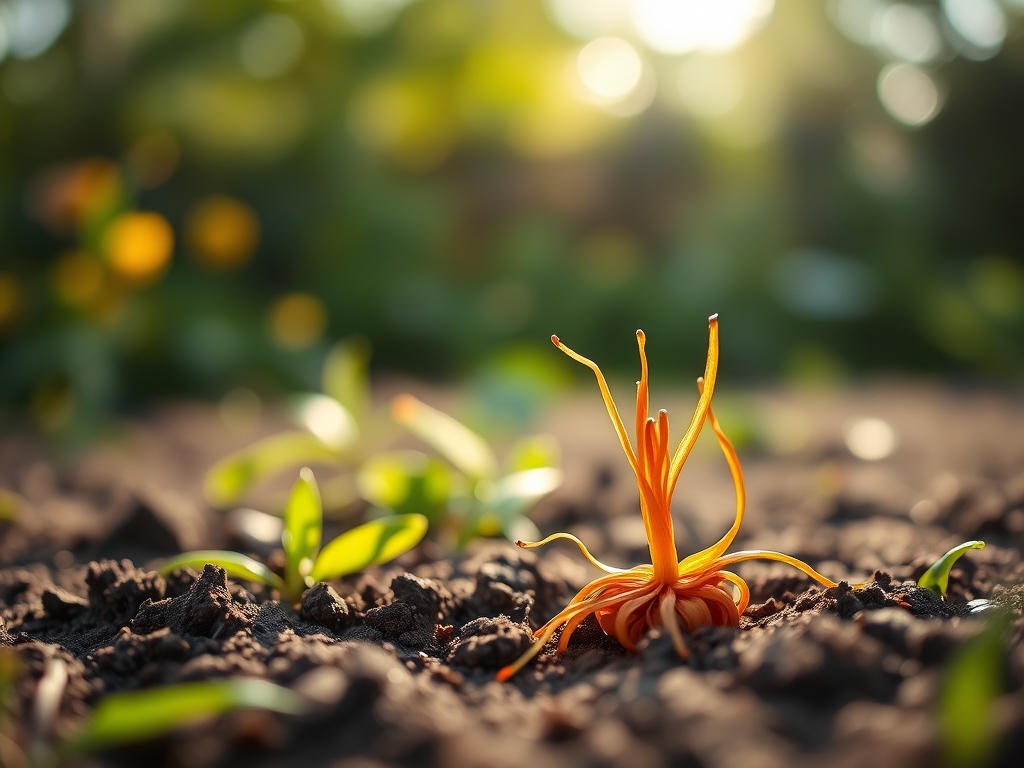
Once harvested, carefully extract the three red stigmas (the saffron) from each flower. Discard the yellow stamens and purple petals. To preserve "day-one" freshness and potency, the stigmas must be dried immediately. Place them on a fine mesh screen in a warm, dark place or use a food dehydrator set to 110 degrees Fahrenheit for approximately 20 to 30 minutes. Store the dried saffron in an airtight glass vial away from direct light.
FAQ:
How deep should I plant saffron bulbs?
Plant corms at a depth of 4 to 6 inches. Deeper planting protects the corm from extreme temperature fluctuations and encourages the development of larger, more productive daughter corms over time.
What is the best soil for saffron?
Saffron requires a friable, well-draining loam with a pH between 6.0 and 8.0. High sand content is essential to prevent corm rot, while organic matter supports a healthy Cation Exchange Capacity.
When does saffron bloom after planting?
If planted in late summer, saffron typically blooms within 6 to 8 weeks. The primary trigger for flowering is a significant drop in nocturnal temperatures and the arrival of autumn rains.
How much water do saffron bulbs need?
During the active growth stages in fall and spring, provide 1.5 inches of water per week. During the summer dormancy period, keep the soil dry to prevent the corms from rotting.
Do I need to dig up saffron bulbs every year?
No. Saffron corms should remain in the ground for 3 to 5 years. Dig and divide them only when the "clumps" become overcrowded and floral production begins to decline.