9 Best Hand Sprayers for Targeted Indoor Pest Control
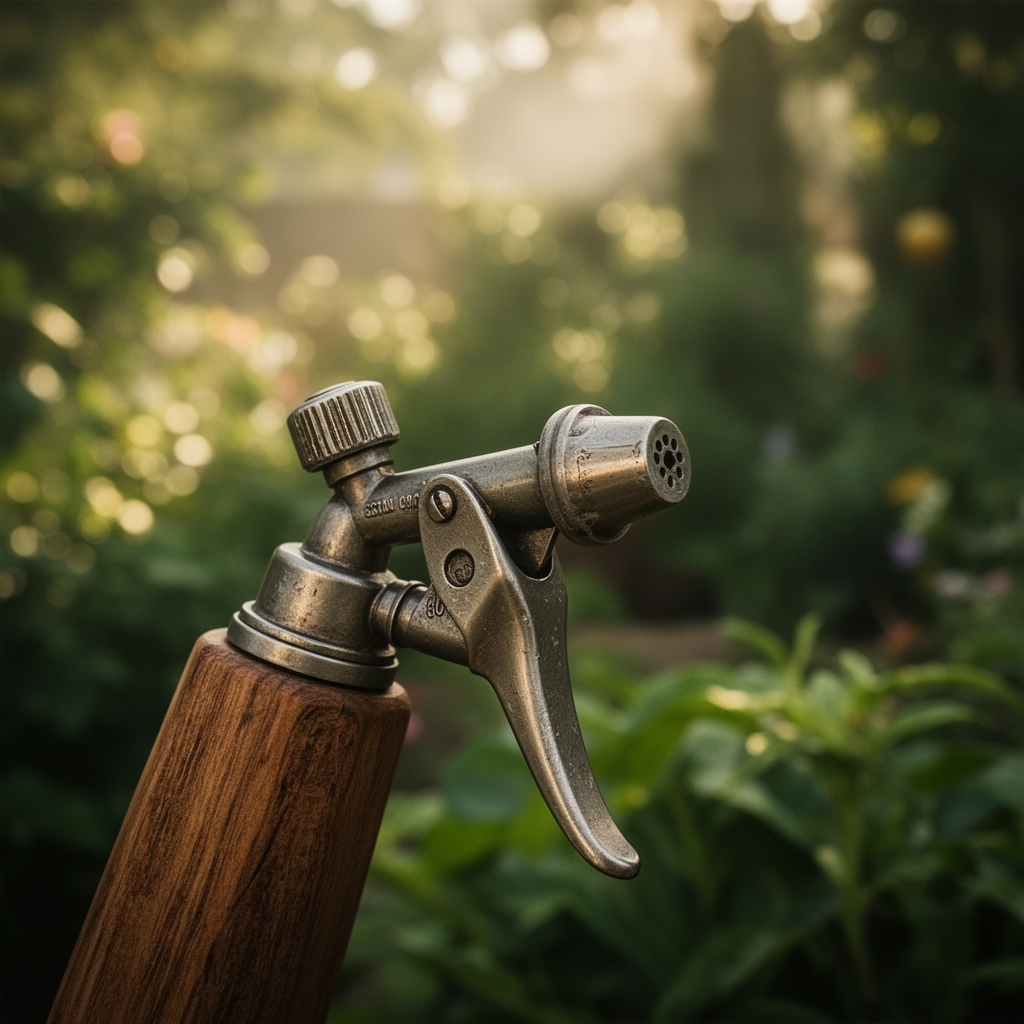
Managing indoor plants requires vigilance against aphids, spider mites, and fungal pathogens that thrive in controlled environments. The best hand sprayers for indoor pest control deliver precise foliar applications of insecticidal soaps, neem oil emulsions, and biocontrol agents without oversaturating growth media or damaging leaf cuticles. A 0.5-liter continuous-pressure sprayer with adjustable brass nozzles (producing 40–80 micron droplets) outperforms trigger models for targeting leaf axils and stem junctions where pests aggregate. Professional propagators maintain separate sprayers calibrated to pH 6.2 for neem formulations and pH 5.8 for copper-based fungicides to prevent precipitation and phytotoxicity.
Materials
Select sprayers constructed from chemical-resistant polyethylene or polypropylene with Viton gaskets rated for petroleum-based horticultural oils. Brass or stainless steel wand extensions (12–18 inches) allow underside leaf coverage without disturbing mycorrhizal fungi in the rhizosphere.
For organic pest management, prepare solutions using distilled water with total dissolved solids below 150 ppm. Insecticidal soap concentrates (potassium salts of fatty acids at 1–2% dilution) require pH adjustment to 6.5–7.0 for optimal surfactant activity. Neem oil formulations (azadirachtin content 0.9–3.0%) emulsify best at 72°F with pH-neutral water and 0.1% yucca extract as a wetting agent.
Biological controls like Bacillus thuringiensis var. kurstaki demand sprayers that preserve bacterial spore viability. Use opaque containers and apply suspensions within 6 hours of mixing. Supplemental foliar feeds (3-1-2 NPK liquid kelp extracts) applied through the same equipment require immediate post-application cleaning to prevent algal growth in spray lines.
Copper hydroxide fungicides (17–30% metallic copper) necessitate separate sprayers to avoid contaminating beneficial insect applications. Mark each unit with chemical class and maintain calibration logs tracking output volume per pump stroke.
Timing
Indoor pest pressure peaks during winter months (December through March in Zones 5–8) when reduced air circulation and lower light intensity stress plants. Spider mites proliferate when relative humidity drops below 40% and temperatures exceed 75°F. Monitor populations using 10x hand lenses to detect nymphs on new growth before visible webbing appears.
Apply preventative neem oil sprays every 14 days during high-risk periods, targeting application windows 2 hours after sunrise when stomata open maximally. Auxin distribution peaks during this period, enhancing systemic uptake of botanical insecticides through the cuticle. Avoid spraying within 4 hours of supplemental lighting shutdown to prevent foliar burn from residual oil films under high-intensity discharge lamps.
Scale insects and mealybugs require contact during crawler stage (7–10 days post-hatch). Set degree-day monitoring at base 50°F to predict emergence cycles for sequential spray schedules.
Phases

Sowing and Propagation: Sterilize spray equipment with 10% bleach solution before applying fungicides to seedling trays. Damping-off pathogens (Pythium, Rhizoctonia) require preventative drenches of hydrogen peroxide (1:4 dilution) applied at 2 oz per 4-inch pot. Maintain spray chamber temperature at 68–72°F to ensure solution temperature matches growth media, preventing root shock.
Pro-Tip: Inoculate rooting media with Trichoderma harzianum spores (1 x 10^6 CFU per gram) through spray application 48 hours before seeding to establish competitive colonization against pathogenic fungi.
Transplanting and Establishment: Apply spinosad solutions (0.015% active ingredient) 24 hours before moving plants to new containers. This timing coincides with peak auxin flux during transplant stress, when thrips and aphids exploit compromised leaf tissues. Spray until runoff appears at drainage holes, ensuring complete coverage of growing points and leaf undersides.
Target the abaxial leaf surface where 70% of stomata concentrate. Hold the spray wand at 45-degree angles to penetrate dense foliage canopies. Adjust nozzle pressure to prevent mechanical damage to trichomes that produce defensive compounds.
Pro-Tip: Add 0.05% citric acid to spray solutions containing pyrethrin to reduce pH to 5.5, extending the active compound's half-life from 4 hours to 12 hours under indoor lighting.
Mature Plant Maintenance: Rotate chemical classes every 3 applications to prevent resistance development. Alternate between neem oil (azadirachtin), insecticidal soap (fatty acids), and spinosad (bacterial metabolites) on 7–10 day intervals. Record spray dates and pest counts using sticky card traps positioned at canopy height.
Pro-Tip: Prune heavily infested leaves at 30-degree angles 1/4 inch above nodes before spraying to redirect cation exchange capacity toward healthy tissue and reduce pest habitat.
Troubleshooting
Symptom: White crystalline deposits on leaf surfaces post-spray.
Solution: Hard water minerals (calcium carbonate above 180 ppm) precipitate with soap-based pesticides. Switch to reverse-osmosis water or add 0.1% EDTA chelating agent to spray mix.
Symptom: Yellowing leaf margins 48 hours after neem application.
Solution: Phytotoxicity from excessive oil concentration or high ambient temperature. Dilute neem to 0.5% and apply only when temperatures remain below 80°F for 6 hours post-treatment.
Symptom: Persistent spider mite populations despite weekly spraying.
Solution: Eggs survive contact pesticides. Increase spray frequency to 5-day intervals for three cycles to target overlapping generations. Add 0.1% horticultural oil to improve ovicidal activity.
Symptom: Fungal growth in spray bottle reservoir.
Solution: Biofilm formation from organic pesticide residues. Flush system with 3% hydrogen peroxide after each use and store with valve open to promote air circulation.
Maintenance
Inspect sprayer components weekly for pressure loss indicating gasket degradation. Replace Viton seals annually when using petroleum-based horticultural oils. Clean nozzle orifices monthly with compressed air at 40 psi to remove mineral deposits that alter droplet size distribution.
Apply 1.5 oz of mixed spray solution per square foot of leaf area for thorough coverage without runoff that contaminates growth media. Calibrate output by spraying into graduated cylinders over timed intervals (10 pump strokes should yield 4–5 oz for standard 0.5-liter models).
Store pesticide solutions for maximum 24 hours in opaque containers at 65–70°F. UV degradation reduces azadirachtin potency by 50% after 48 hours of light exposure. Label all spray bottles with mixing date and chemical contents using waterproof markers.
Maintain separate sprayers for foliar fertilizers, fungicides, and insecticides to prevent antagonistic interactions. Calcium-based fungicides precipitate when mixed with phosphate-rich fertilizers, clogging spray lines and reducing efficacy.
FAQ
What droplet size works best for pest control?
Target 50–75 micron droplets for contact insecticides. Smaller droplets (below 40 microns) drift and evaporate before contacting pests. Larger droplets (above 100 microns) run off waxy leaf surfaces without penetrating.
Can I mix neem oil with other pesticides?
Avoid combining neem with copper fungicides or lime sulfur. The pH incompatibility (neem at 6.5, copper at 8.0) causes emulsion breakdown. Apply separately with 48-hour intervals.
How do I prevent clogging in compression sprayers?
Filter all spray solutions through 100-mesh screens before filling reservoirs. Wettable powder formulations require constant agitation. Add 5 glass marbles to spray tanks to maintain suspension during application.
What pressure setting prevents leaf damage?
Maintain 30–45 psi for herbaceous plants and 50–60 psi for woody stems. Test on single leaves 24 hours before full application. Excessive pressure strips protective wax layers and creates infection courts.
Should I spray until runoff occurs?
Apply until leaf surfaces glisten but before solution drips onto growth media. Runoff wastes pesticide and alters substrate pH. Mature leaves require 0.3–0.4 oz per square foot of surface area for complete coverage.