9 Useful Ways How to Grow Lemon Balm
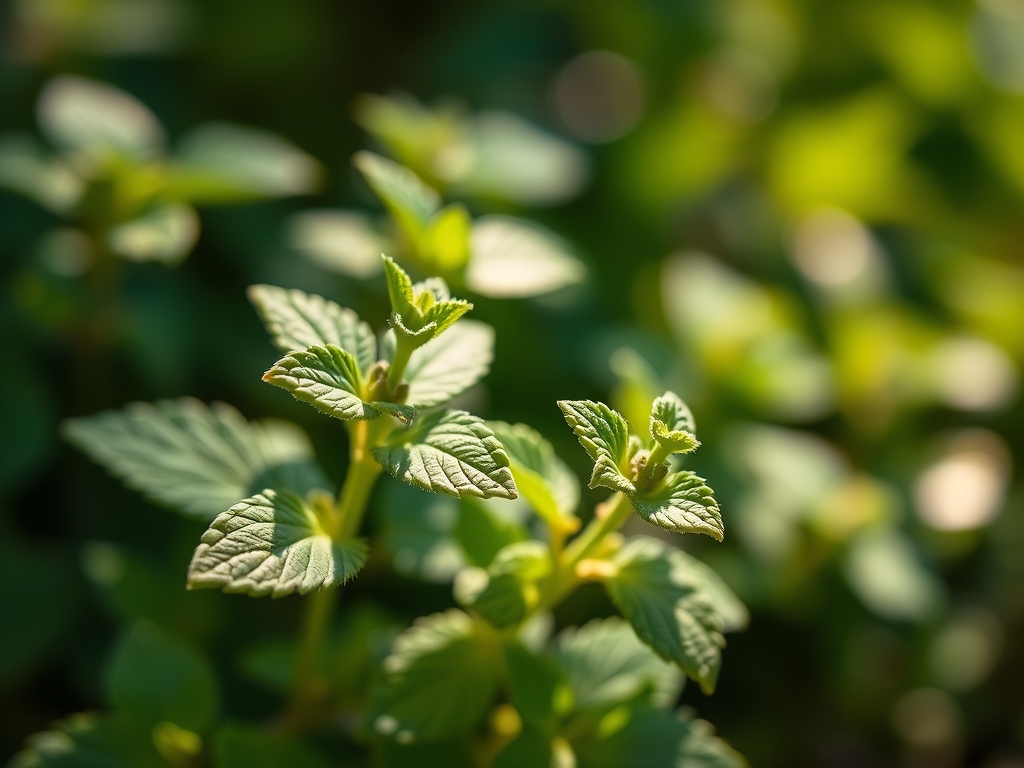
Crushing a mature leaf of Melissa officinalis releases a sharp burst of citral and citronellal oils that cut through the scent of damp, mineralized earth. Success in learning how to grow lemon balm depends on maintaining high turgor pressure within the plant vascular system to ensure these volatile oils remain concentrated. This herbaceous perennial demands precise soil chemistry and moisture management to prevent the sprawling, invasive habit typical of the Lamiaceae family.
Materials:
Lemon balm requires a friable loam with a high Cation Exchange Capacity (CEC) to facilitate the uptake of essential micronutrients. The substrate must be porous enough to prevent anaerobic conditions while retaining sufficient moisture for the shallow root system.
- Soil pH: Maintain a range between 6.0 and 7.5. Acidic soils below 5.5 inhibit phosphorus availability and can lead to aluminum toxicity.
- NPK Ratio: Use a balanced 10-10-10 slow-release fertilizer during the initial planting phase. Excessive nitrogen (the first digit) will trigger rapid vegetative growth but will dilute the concentration of essential oils in the foliage.
- Substrate Texture: A mix of 60% sandy loam, 20% composted organic matter, and 20% perlite provides the ideal balance of drainage and nutrient retention.
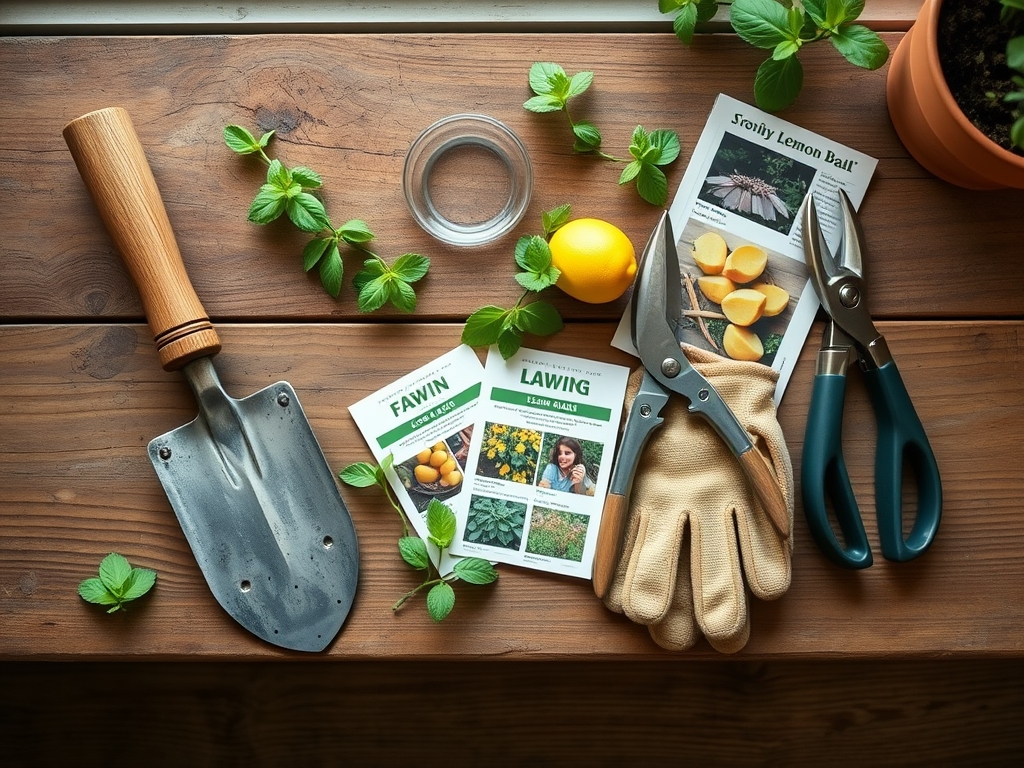
- Tools: A hori-hori knife for deep root extraction and bypass pruners for clean, non-crushing vascular cuts are mandatory.
Timing:
Lemon balm is hardy in USDA Zones 4 through 9. The biological clock of the plant is governed by the photoperiod; it enters a vigorous vegetative state as day length increases in spring.
Sow seeds indoors 6 to 8 weeks before the last predicted frost. Soil temperatures must consistently reach 65 to 70 degrees Fahrenheit for successful germination. In the garden, transplanting should occur only after the threat of frost has passed and the soil has warmed to at least 55 degrees Fahrenheit. The transition from the vegetative stage to the reproductive stage (flowering) typically occurs in mid-summer. To maximize leaf quality, growers must intervene before the plant shifts energy toward seed production.
Phases:
Sowing
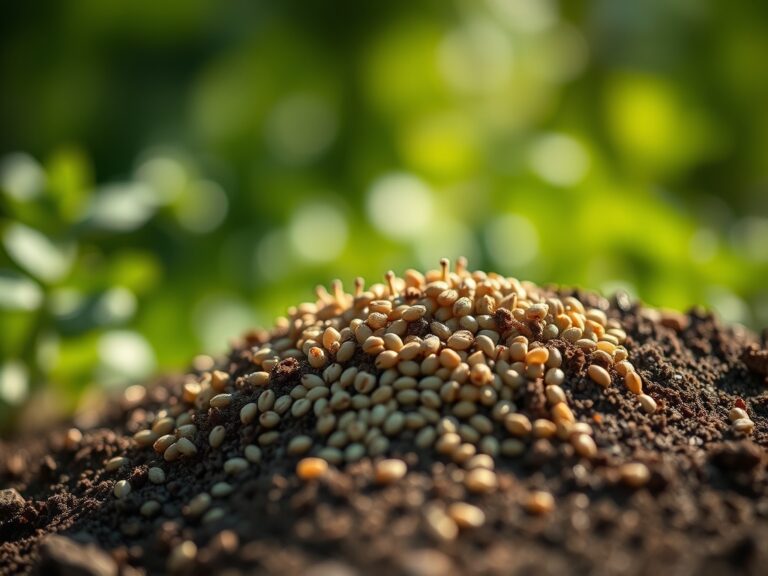
Seeds are photoblastic, meaning they require light to trigger the germination process. Surface sow the seeds on top of a sterile seed-starting mix and press them lightly to ensure contact with the medium. Do not cover them with soil. Maintain a consistent moisture level using a fine mist to avoid displacing the small seeds.
Pro-Tip: Light exposure triggers the degradation of abscisic acid within the seed coat; this biological "off switch" allows the embryo to begin cellular respiration and elongation.
Transplanting
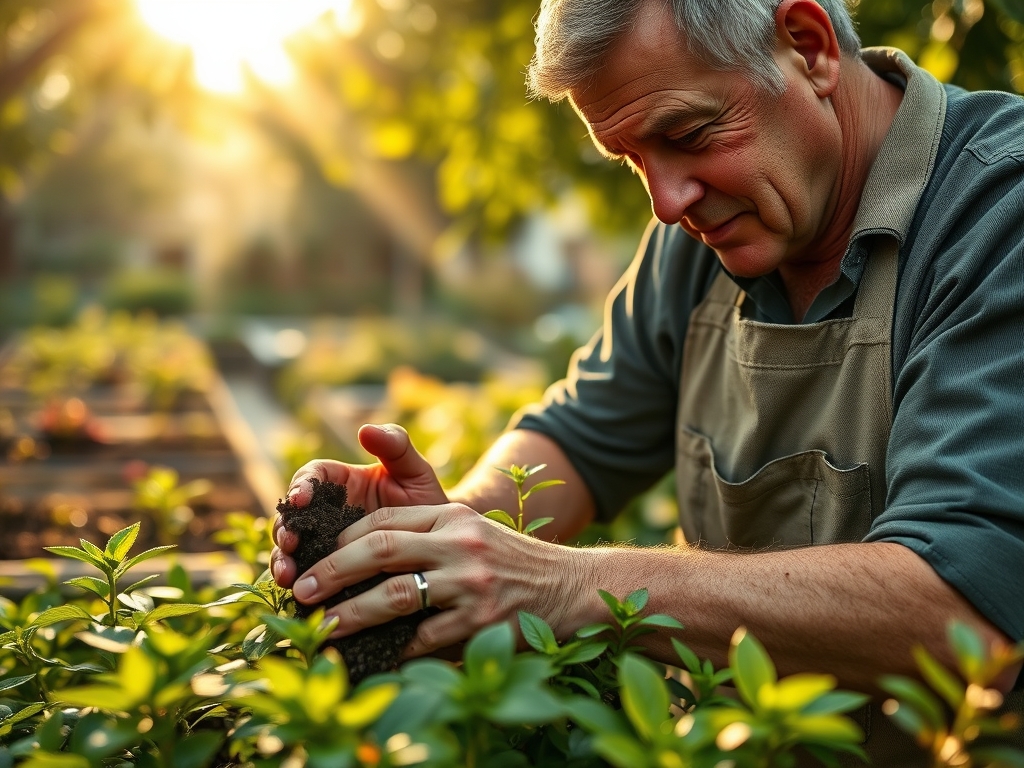
When seedlings reach 3 to 4 inches in height and have developed at least two sets of true leaves, they are ready for the field. Space plants 18 to 24 inches apart. This spacing is critical for airflow, which reduces the boundary layer of humidity around the leaves and prevents fungal colonization.
Pro-Tip: Inoculate the rhizosphere with mycorrhizal fungi during transplanting. This symbiotic relationship expands the root surface area; the fungi trade phosphorus for plant sugars, significantly increasing drought resistance.
Establishing
During the first six weeks, focus on root development. Remove any premature flower spikes to redirect the plant energy toward the root architecture. Ensure the soil remains moist but never saturated.
Pro-Tip: Implement auxin suppression by pinching off the terminal buds. Removing the apical meristem halts the flow of auxins down the stem; this releases the lateral buds from apical dominance, resulting in a bushier, more productive plant.
The Clinic:
Physiological disorders in lemon balm often stem from environmental stressors or nutrient imbalances within the soil matrix.
- Symptom: Nitrogen Chlorosis. Older leaves turn pale yellow while veins remain slightly green.
- Solution: Apply a water-soluble high-nitrogen fertilizer or fish emulsion to the root zone to restore chlorophyll production.
- Symptom: Septoria Leaf Spot. Small, dark brown spots appear on lower leaves, eventually leading to senescence.
- Solution: Increase spacing to improve airflow and avoid overhead irrigation. Remove infected biomass immediately to stop spore dispersal.
- Symptom: Root Rot (Phytophthora). Wilting despite moist soil, accompanied by a blackened, slimy root system.
- Solution: Improve drainage by incorporating coarse grit or moving the plant to a raised bed. There is no cure once the vascular system collapses.
- Symptom: Anthocyanin Accumulation. Leaves turn purple or reddish during cold snaps or phosphorus deficiency.
- Fix-It: Check soil pH. If pH is below 6.0, phosphorus is locked out. Amend with lime to raise pH and release the bound nutrients.
Maintenance:
Precision irrigation is the backbone of lemon balm cultivation. Use a soil moisture meter to ensure the root zone stays between 60% and 80% field capacity. In standard conditions, provide 1.5 inches of water per week delivered at the drip line. Avoid wetting the foliage to prevent the incubation of powdery mildew.
Mulch the base with 2 inches of shredded bark or straw to regulate soil temperature and suppress weed competition. As the plant grows, use bypass pruners to cut back the top third of the plant every 6 to 8 weeks. This prevents the plant from becoming woody and keeps the foliage tender. If the plant begins to spread via underground rhizomes beyond its allotted space, use a hori-hori knife to slice through the runners and extract the encroaching sections.
The Yield:
Harvesting should occur in the morning after the dew has evaporated but before the sun reaches its zenith. This timing ensures the highest concentration of essential oils before they are volatilized by heat. Use sharp shears to cut stems 2 inches above the soil surface.
For "day-one" freshness, immediately plunge the cut stems into cold water. This maintains hydrostatic pressure within the cells, preventing wilting. If drying the harvest, hang bundles in a dark, well-ventilated area with temperatures between 70 and 90 degrees Fahrenheit. High temperatures during drying will cause the volatile oils to evaporate, leaving the leaves flavorless. Store the dried, brittle leaves in airtight glass containers away from direct UV light to prevent oxidative degradation.
FAQ:
How much sun does lemon balm need?
Lemon balm thrives in 6 to 8 hours of direct sunlight. In regions where temperatures exceed 90 degrees Fahrenheit, provide afternoon shade to prevent leaf scorch and maintain essential oil integrity within the foliage.
Does lemon balm spread like mint?
Yes, lemon balm is a member of the mint family and spreads via rhizomes and self-seeding. To control its footprint, harvest the flowers before they set seed and plant in buried liners to contain the root system.
Why are my lemon balm leaves turning yellow?
Yellowing, or chlorosis, usually indicates a nitrogen deficiency or poor drainage. Check the soil moisture levels first. If the soil is not waterlogged, apply a balanced liquid fertilizer to restore nutrient levels in the rhizosphere.
Can I grow lemon balm in containers?
Lemon balm adapts well to containers of at least 12 inches in diameter. Ensure the pot has adequate drainage holes and use a high-quality potting mix with a neutral pH to support the plant vigorous growth.
When should I prune lemon balm?
Prune aggressively in late spring and mid-summer. Removing the top third of the growth prevents the plant from becoming leggy and discourages the transition to the reproductive stage; this ensures a continuous supply of high-quality vegetative growth.