9 Tips to Use a Chalk Line for Garden Alignment
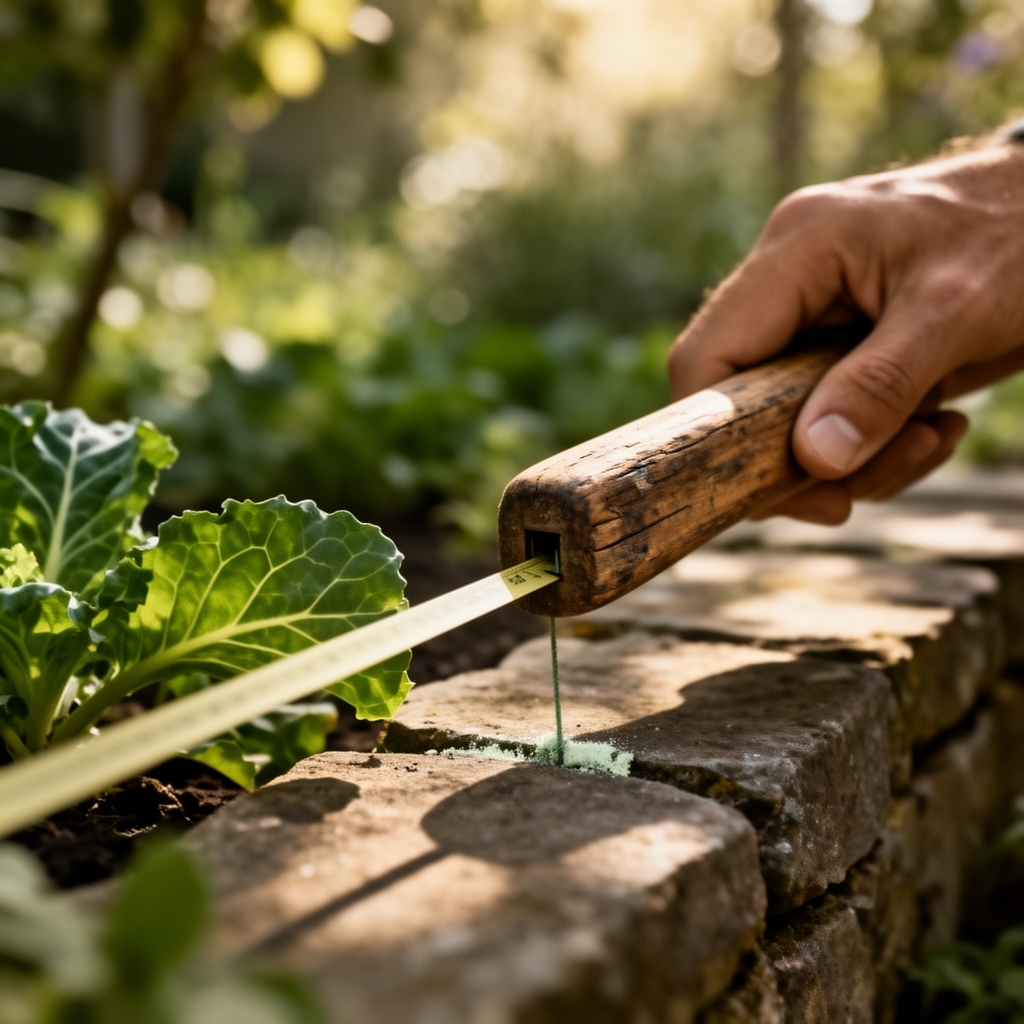
The morning frost clings to the retaining wall stones as you pull the chalk line taut. The sharp snap of powdered chalk leaves a laser-straight mark across rough timber, brick, or stone. Using a chalk line for garden wall alignment transforms guesswork into precision geometry, ensuring each course sits plumb and level before mortar sets or soil compacts behind the structure.
Professional masons reach for this tool first because it translates intention into visible reference lines. The spring-loaded reel holds 50 to 100 feet of braided cotton string coated in pigmented chalk powder. One worker anchors the hook while another stretches the line to the target point. The snap releases a cloud of particles that adhere to porous surfaces, marking plumb lines, grade changes, and footing perimeters with repeatability that stakes and stretched strings cannot match.
Materials
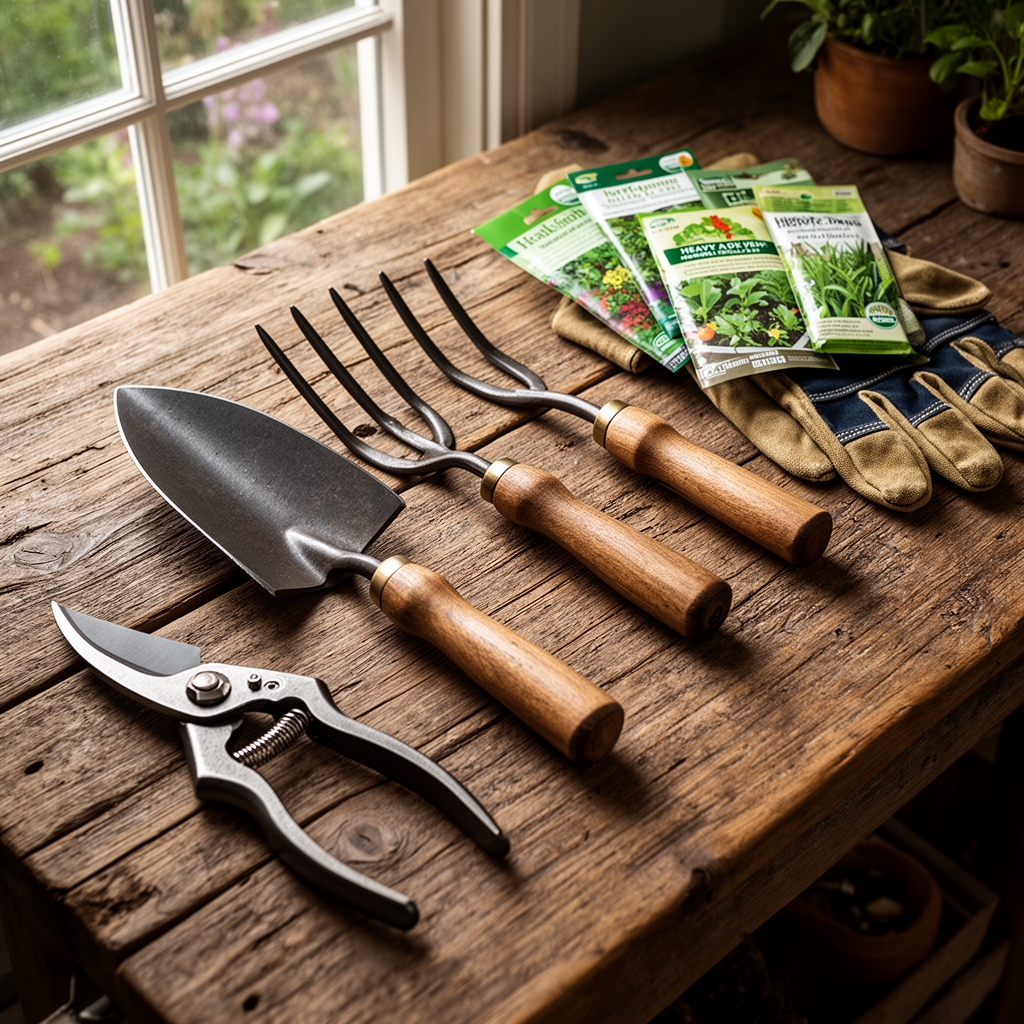
Select a chalk line reel constructed from impact-resistant ABS plastic with a 3:1 gear ratio for smooth retrieval. Purchase powdered chalk in shades matched to substrate: red or blue for light-colored stone, white for dark timber. Avoid permanent marking chalk formulations near planted beds where pigment leaches into soil, potentially altering cation exchange capacity in clay loam substrates.
Pair the line with a 4-foot laser level or traditional spirit level rated to 0.0005 inches per inch accuracy. A framing square with 16- and 24-inch arms verifies right angles at corners. For soil-filled raised beds, acquire 4-4-4 organic fertilizer blend (blood meal, bone meal, kelp) to incorporate at a rate of 2 pounds per 10 square feet during backfill operations. Mycorrhizal fungi inoculant applied at 1 ounce per cubic yard of backfill enhances nutrient uptake in perennial plantings adjacent to walls.
Timing
Execute wall layout when soil moisture content permits stable excavation without slumping. In USDA Hardiness Zones 5 through 7, schedule earthwork between late March and mid-May, after final frost dates and before auxin-driven spring growth pushes roots into the work zone. Zones 8 and 9 allow year-round construction but avoid mid-summer when soil temperatures above 85°F stress transplants near new structures.
Check local frost-penetration depth data. Footings must extend 6 inches below this line to prevent heaving. In Zone 5, that demands 42-inch-deep trenches. Mark these depths using the chalk line snapped along excavation perimeter stakes.
Phases

Layout Phase: Drive corner stakes 12 inches outside final wall position. Hook the chalk line to the first stake. Pull toward the opposite corner at 15 pounds of tension, keeping the string 1 inch above grade. Verify the diagonal measurement matches calculated dimension. A 10-foot by 12-foot rectangle must show 15.62-foot diagonals. Snap the line to mark excavation limits.
Pro-Tip: Dust the string with fluorescent chalk when laying out walls in low-light conditions or near dark soil. The pigment remains visible through light rain for up to 6 hours.
Foundation Phase: After excavation, snap level lines along trench walls at finished-footing height. Use these references to screed compacted gravel base to uniform thickness. A 6-inch gravel layer under concrete footings provides capillary break and distributes load across soil with bearing capacity of 1,500 pounds per square foot or greater.
Pro-Tip: Apply a 2-inch layer of coarse sand (0.5 to 2.0 mm grain size) atop gravel before setting the first course. This allows micro-adjustments during initial leveling without disturbing base compaction.
Wall Construction Phase: Snap horizontal lines at each course height. Standard 8-inch concrete blocks require lines at 8-inch vertical intervals. Dry-stacked stone walls need lines every 6 to 10 inches depending on stone thickness variation. Check plumb every third course using a 4-foot level held against the chalk reference.
Pro-Tip: Re-snap lines after every fifth course. Chalk degrades under UV exposure and dew, losing visibility within 48 hours on porous stone.
Troubleshooting
Symptom: Chalk line fails to leave mark on damp or frozen surfaces.
Solution: Wipe substrate with dry rag. Warm stones above 40°F using propane torch held 18 inches away for 30 seconds. Moisture content above 8 percent prevents powder adhesion.
Symptom: String sags between anchor points exceeding 20 feet.
Solution: Insert intermediate support stake at midpoint. Maintain 20 pounds of tension. Sagging greater than 1/8 inch over 20 feet introduces cumulative error of 3/4 inch over 120-foot runs.
Symptom: Wind disperses chalk before mark sets.
Solution: Work during morning hours when air is calm. Shield the snap zone with plywood held perpendicular to the line. Increase chalk powder in reel by 20 percent for better coverage.
Symptom: Chalk line cuts skin during high-tension snaps.
Solution: Wear leather palm gloves rated for 50 pounds of abrasion. Position hands 6 inches from the string path during release.
Maintenance
Refill chalk reservoir when powder no longer coats the string evenly. Empty old chalk every 90 days to prevent moisture clumping. Store reel in climate-controlled space below 70°F and 50 percent humidity. Apply 1 inch of water weekly to plantings near new walls during establishment. Monitor soil pH quarterly. Lime leaching from mortar joints raises pH by 0.5 to 1.5 units within 3 feet of the wall face, affecting nutrient availability for acid-loving species.
FAQ
How long do chalk marks last?
Marks persist 24 to 72 hours on dry, rough surfaces. Rain or heavy dew removes chalk within 12 hours.
Can I use carpenter's pencil instead?
Pencils work for lumber but cannot mark irregular stone or long spans. Chalk lines mark 100 feet in seconds.
What color chalk works best outdoors?
Red and blue offer highest contrast on natural materials. White disappears on limestone and light aggregate.
Does chalk harm plants?
Standard calcium carbonate or talc-based chalk is inert. Avoid industrial permanent chalk containing alkyd resins.
How do I keep the string from tangling?
Rewind under light tension. Store with the hook secured to the side clip, preventing loose coils inside the reel housing.