6 Easy Ways How to Grow Epazote Herbs
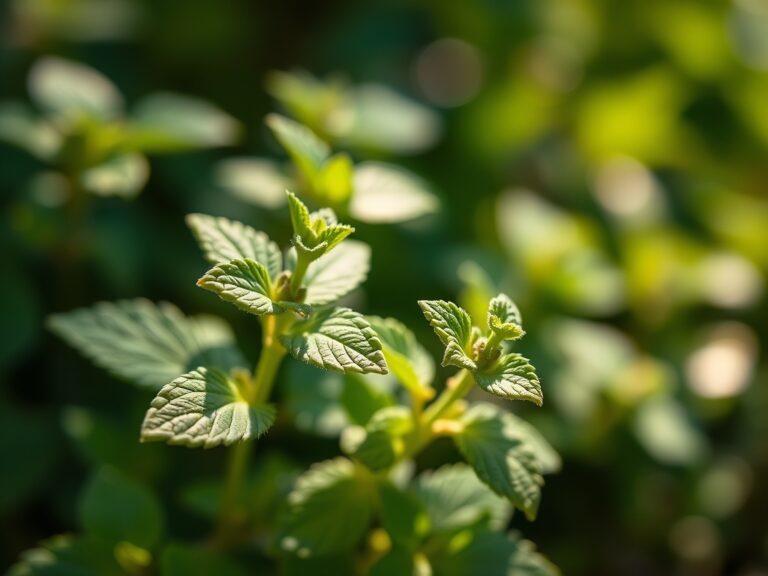
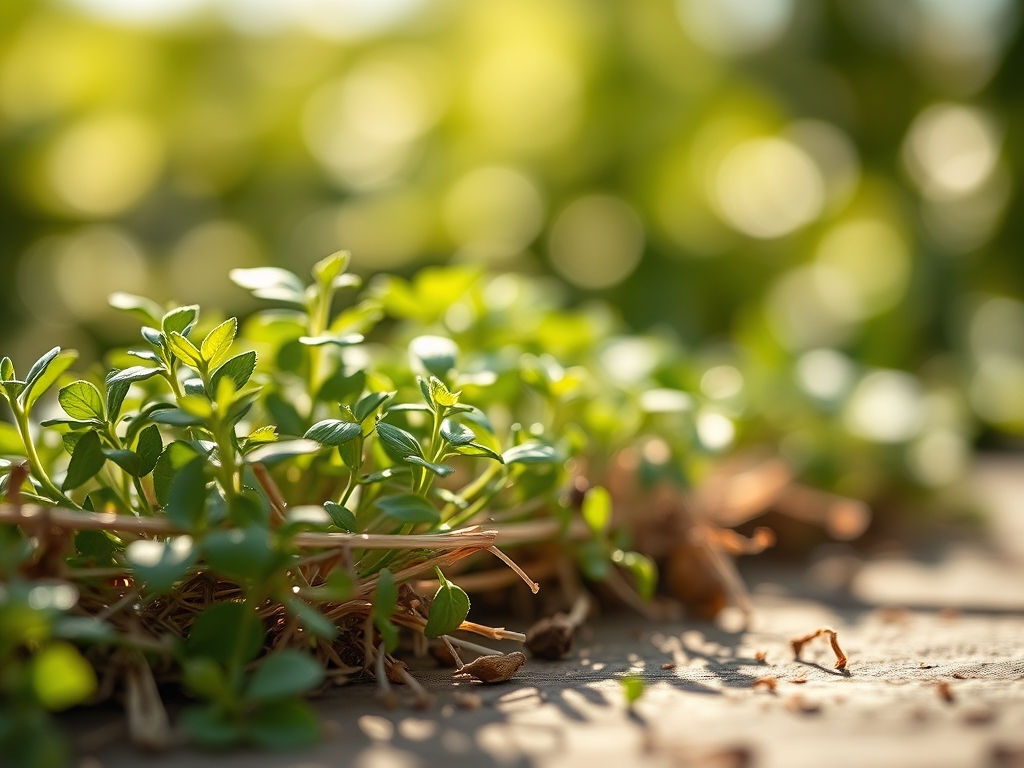
Crushing a fresh leaf of Dysphania ambrosioides releases a pungent, resinous aroma reminiscent of citrus and petroleum; this chemical signature is the first indicator of high essential oil concentration within the glandular trichomes. Success in learning how to grow epazote herbs depends on managing this rapid growth while maintaining the integrity of the plant's volatile compounds. To achieve maximum leaf turgor, the gardener must balance nitrogen availability with precise irrigation. Epazote is a hardy annual or short-lived perennial that thrives in disturbed soils, but in a controlled horticultural setting, it requires specific environmental parameters to prevent it from becoming invasive or woody. Mastering this plant involves understanding its transition from a seedling to a robust, branching herb capable of producing dense foliage before the onset of reproductive senescence. By focusing on soil chemistry and light exposure, you can produce a harvest that far exceeds the quality of dried, store-bought alternatives.
Materials:
Cultivating high-quality epazote requires a substrate with a **pH level between 6.0 and 7.5**. While the plant is notoriously adaptable, a **friable loam** with high porosity ensures optimal gas exchange within the rhizosphere. Prepare your planting site or containers with the following technical specifications:
- Soil Texture: A mix of 60 percent loamy topsoil, 20 percent coarse sand for drainage, and 20 percent organic matter.
- NPK Ratio: Use a balanced 10-10-10 fertilizer during the initial bed preparation. As the plant enters its rapid vegetative stage, transition to a higher nitrogen ratio, such as 20-10-10, to stimulate foliar expansion.
- Cation Exchange Capacity (CEC): Aim for a CEC of 15 to 25 meq/100g. This ensures the soil can effectively retain and trade essential cations like potassium and magnesium with the root system.
- Drainage: The medium must allow for a percolation rate of at least 1 inch per hour to prevent anaerobic conditions that lead to root rot.
Timing:
Epazote is most productive in USDA Hardiness Zones 6 through 11. In cooler climates (Zones 2-5), it must be treated as a summer annual. The biological clock of the plant is triggered by both temperature and photoperiod. Germination occurs most rapidly when soil temperatures consistently reach 70 degrees Fahrenheit (21 degrees Celsius).
The transition from vegetative growth to the reproductive stage (flowering) is accelerated by long days and heat stress. To maximize your harvest window, sow seeds two to three weeks after the last frost date. In southern latitudes, epazote can be sown in late summer for a fall harvest, provided the plant has at least 60 days before the first hard freeze. Once the plant reaches the reproductive phase, the leaves become smaller and the flavor profile shifts; therefore, timing your pruning is essential to delay this senescence.
Phases:
Sowing and Germination
Epazote seeds are minute and require light for germination. Surface sow the seeds onto your prepared substrate and press them lightly to ensure contact. Do not bury them. Maintain a consistent moisture level using a fine mist to avoid displacing the seeds.
Pro-Tip: Epazote exhibits photoblastic germination. This means the seeds contain phytochrome receptors that require direct light exposure to break dormancy and initiate the metabolic processes required for sprouting.
Transplanting
If starting indoors, move seedlings to their permanent location once they have developed two sets of true leaves and stand approximately 3 inches tall. Space plants 12 to 18 inches apart to allow for lateral expansion and adequate airflow, which reduces fungal pressure.
Pro-Tip: Minimize root disturbance during this phase to avoid transplant shock. Maintaining the integrity of the root ball protects the delicate root hairs responsible for the majority of water and nutrient uptake via osmosis.
Establishing and Branching
Once the plant reaches 6 inches in height, pinch off the terminal bud. This action disrupts apical dominance by suppressing auxin flow down the main stem.
Pro-Tip: By suppressing auxins, you stimulate the growth of lateral buds. This results in a bushier plant with a higher leaf-to-stem ratio, effectively increasing your total yield per square foot.
The Clinic:
Even the heartiest herbs face physiological setbacks. Use this diagnostic guide to maintain crop health.
- Symptom: Interveinal Chlorosis (Yellowing between leaf veins)
- Diagnosis: Magnesium deficiency or high pH blocking nutrient uptake.
- Solution: Apply a foliar spray of Epsom salts (1 tablespoon per gallon of water) and verify soil pH is below 7.5.
- Symptom: Leaf Curling and Stunted Growth
- Diagnosis: Aphid infestation or calcium deficiency.
- Solution: Inspect the undersides of leaves for pests. If absent, add liquid calcium to your irrigation routine to strengthen cell wall integrity.
- Symptom: Lower Leaf Senescence (Premature yellowing and dropping)
- Diagnosis: Nitrogen deficiency.
- Solution: Apply a high-nitrogen liquid fertilizer (e.g., fish emulsion) to provide immediate bioavailability to the rhizosphere.
- Symptom: Wilting despite moist soil
- Diagnosis: Root rot (Phytophthora) caused by poor drainage.
- Solution: Improve soil porosity by incorporating perlite or moving the plant to a raised bed.
Maintenance:
Precision maintenance ensures the plant remains in a state of vigorous vegetative growth. Use a soil moisture meter to ensure the top 2 inches of soil remain damp but not saturated. Epazote requires approximately 1.5 inches of water per week, delivered at the drip line to keep the foliage dry and prevent mildew.
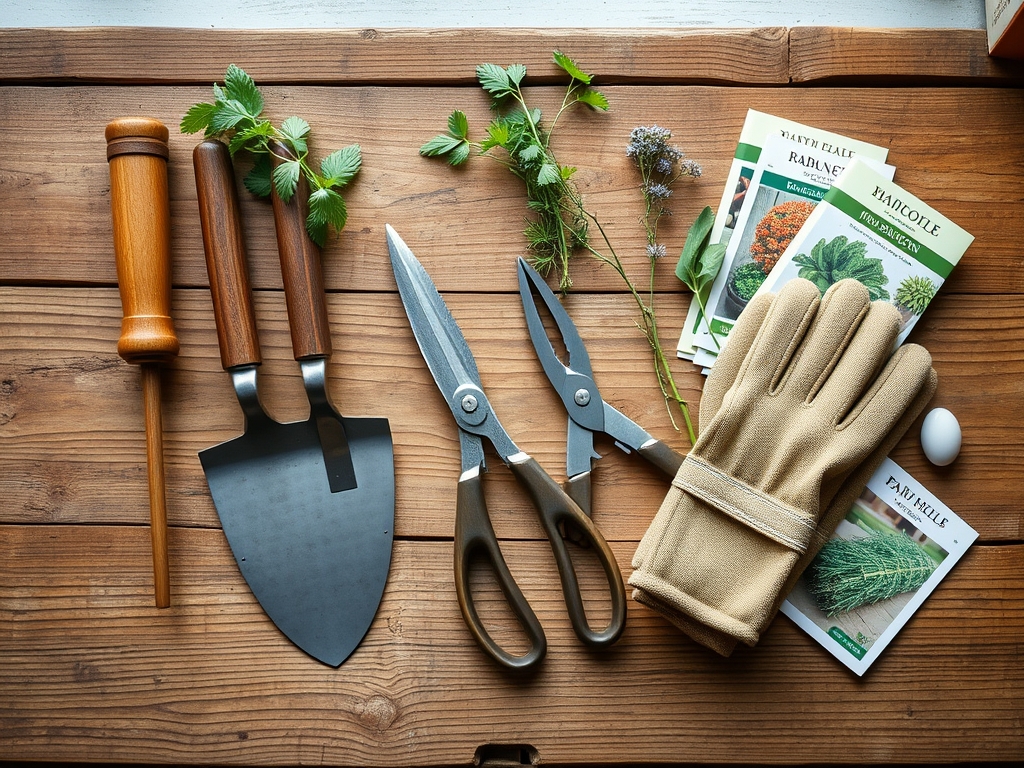
Weeding is mandatory; use a hori-hori knife to remove deep-rooted competitors without damaging the epazote's lateral roots. If the plant begins to produce flower spikes, use bypass pruners to remove them immediately. This redirects the plant's energy from seed production back into leaf development. Monitor the Cation Exchange Capacity mid-season; if growth slows, a top-dressing of well-aged compost can replenish micronutrients and improve soil structure.
The Yield:
Harvesting can begin once the plant is 12 inches tall. For the best flavor and highest concentration of ascaridole (the primary essential oil), harvest in the early morning after the dew has evaporated but before the sun reaches its zenith. Use sharp shears to cut stems just above a leaf node.
To maintain "day-one" freshness, place the cut stems in a glass of water and cover them loosely with a plastic bag in the refrigerator. For long-term storage, epazote can be dried, though it loses some of its potency. To dry, hang bundles in a dark, well-ventilated area with low humidity. Once the leaves are brittle, store them in airtight glass containers away from direct sunlight to prevent UV degradation of the oils.
FAQ:
How much sun does epazote need?
Epazote requires full sun, meaning at least six to eight hours of direct sunlight daily. In insufficient light, the plant becomes leggy, and the concentration of essential oils decreases, resulting in a weaker aroma and flavor.
Can I grow epazote in containers?
Yes. Use a container with at least a 5-gallon capacity to accommodate the deep taproot. Ensure the pot has multiple drainage holes and use a high-quality potting mix with a neutral pH.
How do I prevent epazote from spreading?
Epazote is a prolific self-seeder. To prevent it from taking over your garden, remove flower spikes before they develop seeds. Alternatively, grow the herb in containers to physically isolate the root system and seed drop.
Is epazote a perennial or an annual?
In USDA Zones 8-11, epazote often grows as a perennial. In colder zones, it is killed by frost and must be replanted annually or allowed to self-seed for the following spring.