9 Design Steps to Prepare a Zen Vegetable Retreat
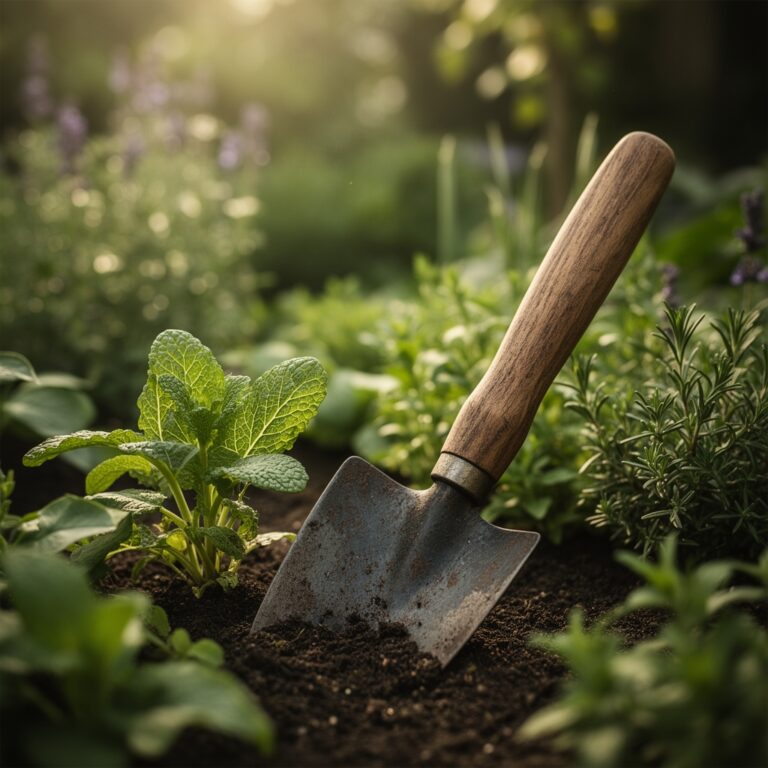
Learning how to prepare a garden for a zen vegetable retreat begins with soil structure. The texture of aged compost between your fingers, the mineral scent of decomposed granite, and the cool weight of hand-forged steel tools ground you before the first seed touches earth. A zen vegetable retreat demands spatial intention, nutrient precision, and a cultivation rhythm aligned with natural dormancy cycles. This preparation transforms raw ground into a productive meditation space where brassicas, leafy greens, and climbing legumes grow in ordered harmony.
Materials
Soil amendments form the foundation. Aged compost (pH 6.5–7.0) supplies a balanced NPK near 1-1-1 while improving cation exchange capacity. Kelp meal delivers micronutrients and auxin precursors at a ratio of 1-0.2-2. Feather meal (12-0-0) releases nitrogen slowly over 90 days, supporting leaf development in Asian greens. Bone meal (3-15-0) anchors phosphorus reserves for root crops like daikon radish. Rock phosphate adjusts pH downward in alkaline soils while contributing long-term phosphorus availability.
Mulch materials include shredded hardwood bark, aged pine needles (pH 5.5–6.0), and rice straw. Each maintains soil temperature within a 10-degree Fahrenheit range and reduces evapotranspiration by 40 percent. Crushed granite (3/8-inch aggregate) defines pathways and provides essential silica as it weathers.
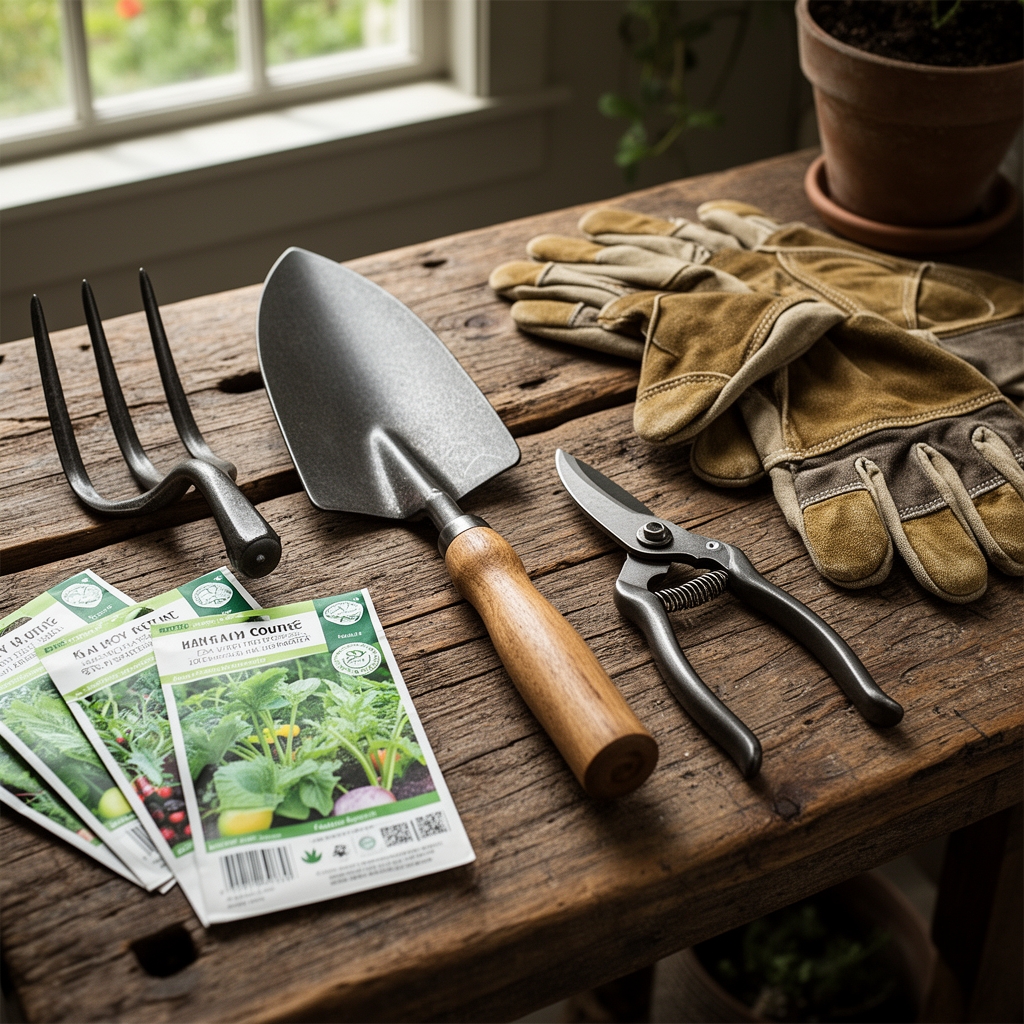
Tools require a broadfork for deep aeration without inversion, a hori-hori knife for precision transplanting, and a soil thermometer calibrated to 0.1-degree accuracy. A refractometer measures brix levels in leafy vegetables, confirming nutrient density before harvest.
Timing
Hardiness zones dictate planting windows for a zen vegetable retreat. Zones 6 and 7 support cool-season crops from March 15 through May 1, then again from August 20 through October 10. Zones 8 and 9 extend the autumn window to November 30, permitting successive sowings of mizuna, tatsoi, and chrysanthemum greens.
Soil preparation begins 60 days before the first transplant date. Amendments require 45 days of microbial incorporation at soil temperatures above 50 degrees Fahrenheit. Mycorrhizal inoculation occurs 14 days before transplanting, allowing hyphal networks to establish in root zones.
Frost-date calculations use the 50-percent probability threshold, not the last observed frost. Subtract 21 days for brassica seedlings and 14 days for direct-sown legumes. This buffer accommodates late-season temperature inversions common in valley microclimates.
Phases
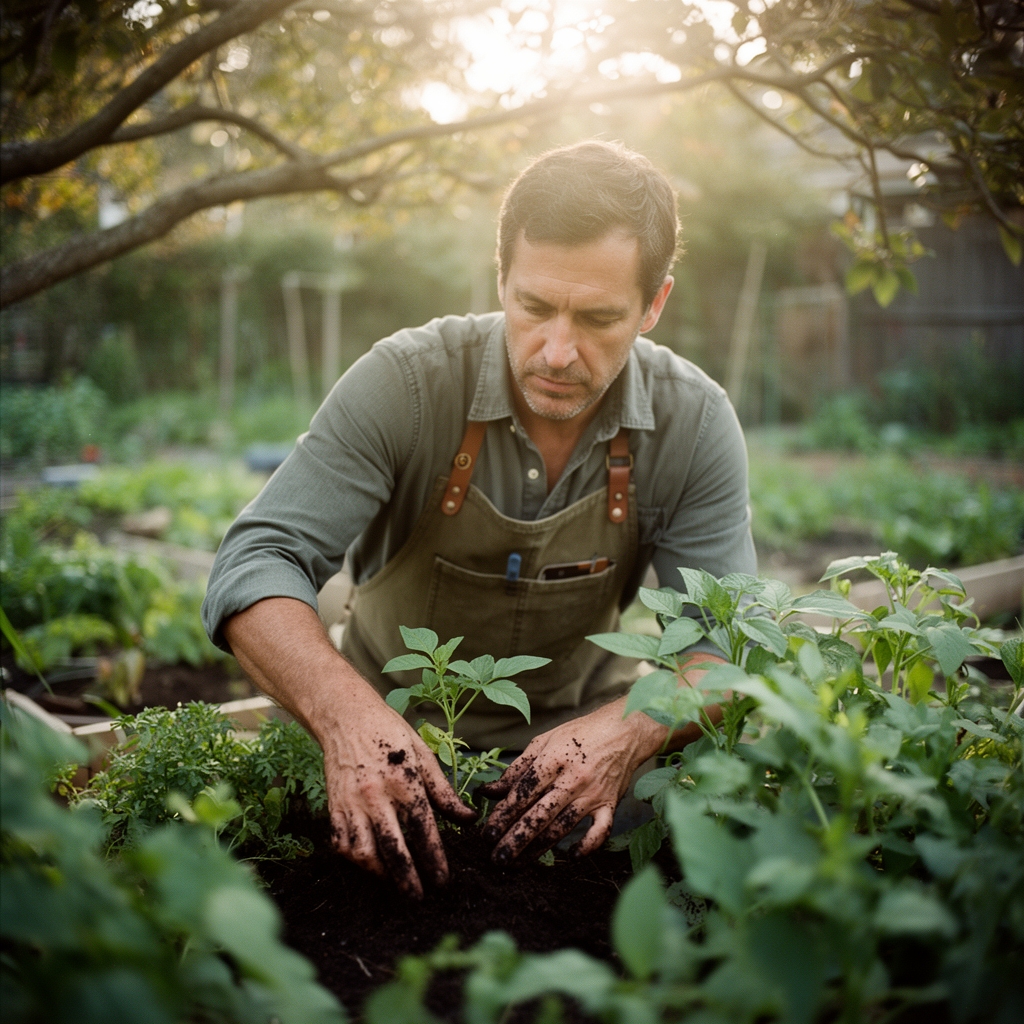
Sowing
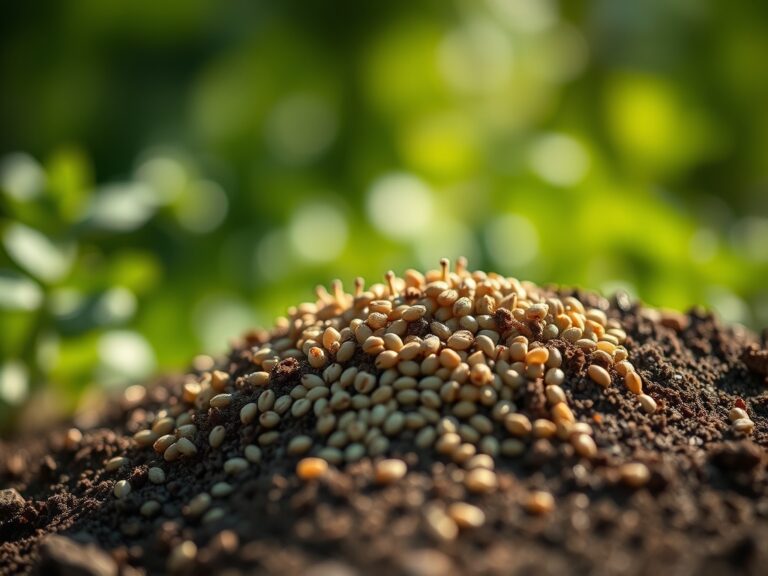
Direct sowing requires soil temperatures between 45 and 65 degrees Fahrenheit for optimal germination. Broadcast Asian greens at 8 seeds per square foot, raking to a depth of 0.25 inches. Radish and turnip seeds demand 0.5-inch depth with 2-inch spacing. Pre-soaking legume seeds in room-temperature water for 6 hours activates enzymes and reduces germination time by 30 percent.
Pro-Tip: Dust brassica seeds with Rhizobium inoculant even though they are non-legumes. The beneficial bacteria colonize root exudates and fix atmospheric nitrogen within 0.5 millimeters of the rhizosphere.
Transplanting
Transplant seedlings at the two-true-leaf stage, never later than four leaves. Root-bound seedlings exhibit 40-percent slower establishment and reduced mycorrhizal colonization. Dig holes 1.5 times the rootball diameter and backfill with native soil mixed at a 3:1 ratio with worm castings (1-0-0 NPK).
Water each transplant with 8 ounces of compost tea (diluted 1:4) to introduce beneficial microbes. Space plants according to mature leaf span: 12 inches for bok choy, 18 inches for napa cabbage, 6 inches for bunching onions.
Pro-Tip: Trim taproots at a 45-degree angle if longer than 4 inches. This pruning stimulates lateral root proliferation and improves anchorage in loose soils.
Establishing
Establishment requires consistent soil moisture at 60-percent field capacity for the first 21 days. Install drip irrigation with 0.5-gallon-per-hour emitters spaced 12 inches apart. Mulch to a 2-inch depth after soil warms to 55 degrees Fahrenheit.
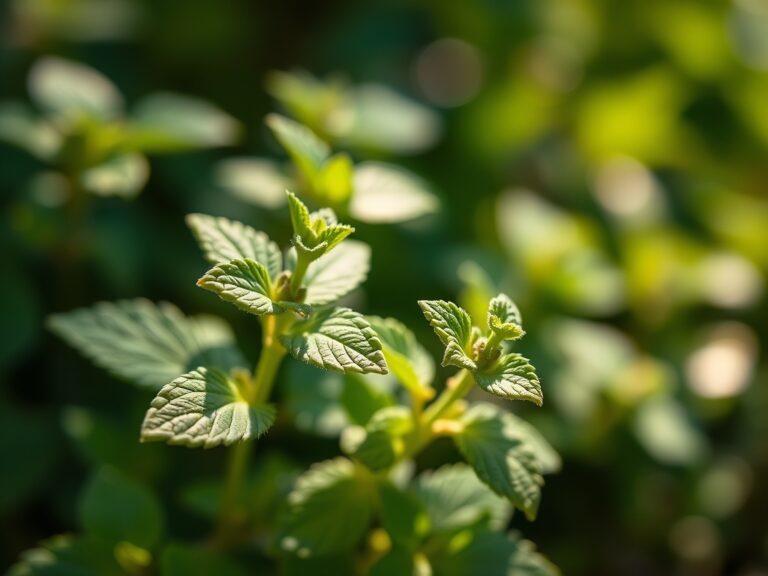
Monitor auxin distribution by observing apical dominance. Pinch terminal buds on basil and shiso at the fourth node to redirect auxin laterally, encouraging bushier growth and delaying flowering by 18 days.
Pro-Tip: Apply foliar kelp spray (1 tablespoon per gallon) every 14 days during establishment. Cytokinins in kelp increase stomatal efficiency and reduce transplant shock by 25 percent.
Troubleshooting
Symptom: Interveinal chlorosis on youngest leaves.
Solution: Iron deficiency caused by high soil pH. Apply chelated iron (Fe-EDDHA) at 2 ounces per 10 square feet. Mulch with pine needles to gradually lower pH.
Symptom: Purple undersides on brassica leaves.
Solution: Phosphorus lockout below 50 degrees Fahrenheit. Apply liquid fish emulsion (5-1-1) at half strength. Use row covers to raise soil temperature 8 degrees.
Symptom: Flea beetle damage on radish cotyledons.
Solution: Apply diatomaceous earth at 2 pounds per 100 square feet. Reapply after rain. Establish physical barriers with insect netting (0.6-millimeter mesh).
Symptom: Damping-off in seedling trays.
Solution: Pythium and Fusarium fungi thrive in overwatered media. Reduce irrigation frequency by 50 percent. Apply Bacillus subtilis biocontrol at label rates.
Symptom: Bolting in lettuce before maturity.
Solution: Day length exceeds 14 hours or soil temperature surpasses 75 degrees Fahrenheit. Use shade cloth (30-percent density) and increase irrigation to 1.5 inches per week.
Maintenance
Apply 1 inch of water per week through drip irrigation, adjusted to 1.5 inches during fruit set. Monitor soil moisture at 6-inch depth with a tensiometer; maintain readings between 20 and 40 centibars.
Side-dress nitrogen-hungry crops with blood meal (12-0-0) at 1 pound per 50 square feet every 30 days. Top-dress pathways with granite fines every 60 days to suppress weeds and improve drainage.
Prune indeterminate crops to single leaders, removing suckers at 2 inches. Harvest leafy greens before 10:00 AM when turgor pressure peaks and brix levels reach seasonal highs.
FAQ
When should I start preparing the garden?
Begin 60 days before transplanting. Soil amendments require 45 days to integrate fully.
What NPK ratio works best for leafy greens?
Use 4-2-3 organic blends. Excess nitrogen (above 8-0-0) produces weak cell walls and bitter flavors.
How do I prevent brassica pests organically?
Install 0.6-millimeter insect netting before planting. Rotate crops every season to disrupt pest life cycles.
Can I grow zen vegetables in containers?
Yes. Use 5-gallon containers minimum with drainage holes. Mix 60-percent compost, 30-percent perlite, and 10-percent worm castings.
What is the ideal soil pH for Asian vegetables?
Maintain pH between 6.0 and 6.8. Test every spring and amend with sulfur or lime as needed.