9 Acidity-Based Steps for Treating Iron Deficiency
The scent of damp, mineral-rich earth signals a healthy rhizosphere, but the yellowing of young leaves suggests a breakdown in nutrient uptake. Interveinal chlorosis occurs when iron remains locked in the substrate, often due to alkaline conditions that render the metal insoluble to the root system. To restore turgor pressure and deep green coloration, a grower must master the steps for treating iron deficiency with soil acidity. This process requires a precise manipulation of the soil chemistry to lower the pH below 6.5, which increases the availability of iron cations. Without this intervention, the plant enters a state of metabolic decline, leading to stunted growth and eventual senescence. Success depends on understanding the relationship between hydrogen ion concentration and the solubility of micronutrients. By adjusting the acidity levels, you ensure that the vascular system can transport essential minerals from the soil to the upper canopy. This guide provides the technical framework necessary to diagnose, treat, and maintain the chemical balance required for optimal botanical health and vigorous cellular development.
Materials:

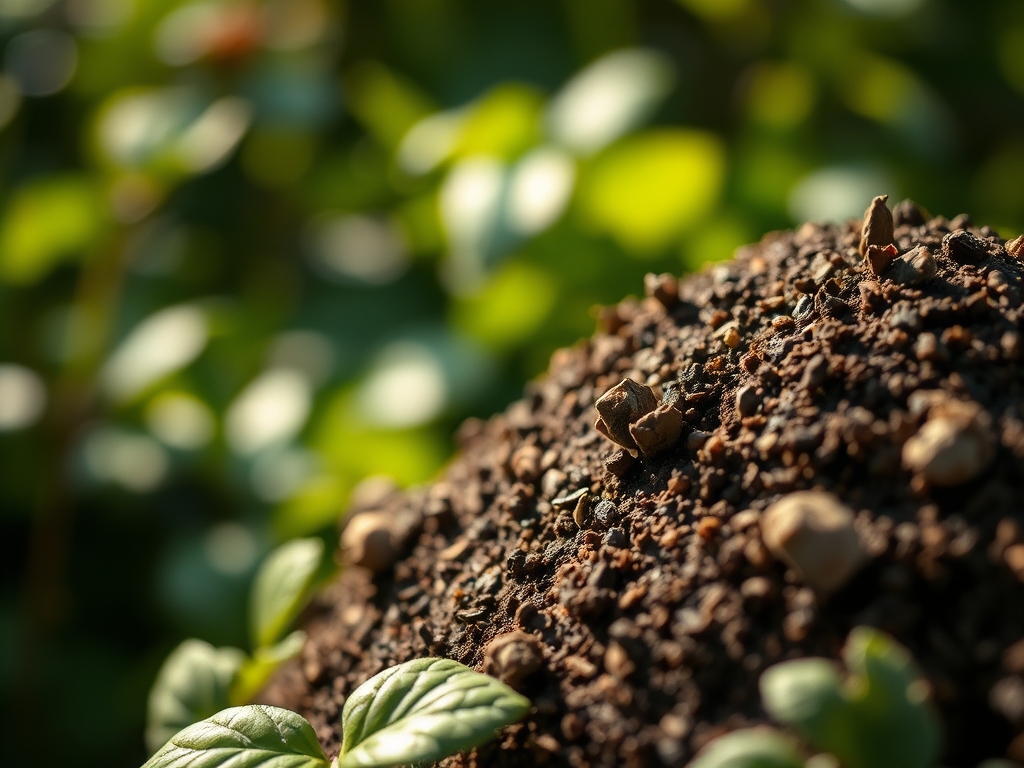
Effective soil modification begins with a **friable loam** substrate that possesses a high Cation Exchange Capacity (CEC). You will need **elemental sulfur** (90 percent purity) or **aluminum sulfate** to lower the pH. For immediate relief, procure **chelated iron (Fe-EDDHA)**, which remains stable in soils with a pH as high as 9.0. Standard fertilizers should follow a **10-10-10 NPK ratio** for general maintenance, though acid-loving species require a **4-3-6 ratio** to support vegetative vigor without spiking salts. Avoid heavy clays that impede drainage; instead, aim for a soil texture that crumbles easily when compressed, indicating a balance of sand, silt, and organic matter. Ensure you have a digital pH probe calibrated to a **0.1 accuracy range** to monitor the chemical shifts in the root zone.
Timing:
The biological clock for iron intervention is most critical during the transition from the vegetative stage to the reproductive stage. In Hardiness Zones 5 through 8, the primary window for soil acidification opens in early spring, at least four weeks before the last frost date. This allows elemental sulfur to oxidize through microbial action, a process that requires soil temperatures to stay consistently above 55 degrees Fahrenheit (13 degrees Celsius). If you miss this window, foliar applications provide a temporary fix during the peak growing season, but permanent soil adjustments should occur during autumn dormancy. Monitoring the photoperiod is essential; as days shorten, the plant's metabolic rate slows, reducing its ability to process sudden chemical changes in the rhizosphere.
Phases:

Sowing and Substrate Preparation
Before placing seeds or starts, integrate 5 pounds of elemental sulfur per 1,000 square feet to drop the pH by one full point. This must be tilled to a depth of 6 inches to ensure the entire root zone is treated. The goal is to reach a target pH of 5.5 to 6.2.
Pro-Tip: Mycorrhizal symbiosis is enhanced in slightly acidic environments. These beneficial fungi extend the reach of the root system, increasing the surface area for iron absorption by up to 100 times.
Transplanting and Initial Acidification
When moving specimens into the field, use a starter solution containing liquid seaweed and chelated iron. Dig a hole twice the width of the root ball and backfill with a mix of native soil and sphagnum peat moss, which has a natural pH of 3.0 to 4.5.
Pro-Tip: Maintaining high turgor pressure during transplanting prevents cellular collapse. The acidity in the peat moss helps keep iron in a soluble state, preventing immediate transplant shock caused by nutrient lockout.
Establishing the Root Architecture
Once the plant is established, monitor the new growth. If the youngest leaves show yellowing while veins remain green, apply a ferrous sulfate side-dressing. Maintain a moisture level of 60 percent field capacity to facilitate the movement of ions through the soil solution.
Pro-Tip: Auxin suppression occurs when the plant is stressed by high alkalinity. By lowering the pH, you encourage apical dominance and lateral branching, as the plant can finally synthesize the proteins required for hormone regulation.
The Clinic:
Symptom: Interveinal chlorosis on new growth.
Solution: Apply iron chelates directly to the soil. Chelates act as a protective "claw" that keeps the iron atom from reacting with other minerals until the plant can absorb it.
Symptom: Leaf scorch or marginal necrosis.
Solution: This often indicates high salt accumulation from over-fertilization. Flush the root zone with 3 gallons of water per square foot to leach excess salts and re-test the pH.
Symptom: Stunted growth with dark purple stems.
Solution: This is a Phosphorus deficiency, often caused by a pH below 5.0. Raise the pH slightly using dolomitic lime at a rate of 2 pounds per 100 square feet to balance the acidity.
Fix-It for Nitrogen Chlorosis: Unlike iron deficiency, nitrogen chlorosis appears on the oldest leaves first. Apply a high-nitrogen urea fertilizer (46-0-0) at a rate of 0.5 pounds per 1,000 square feet to restore nitrogen levels without drastically altering the acidity.
Maintenance:
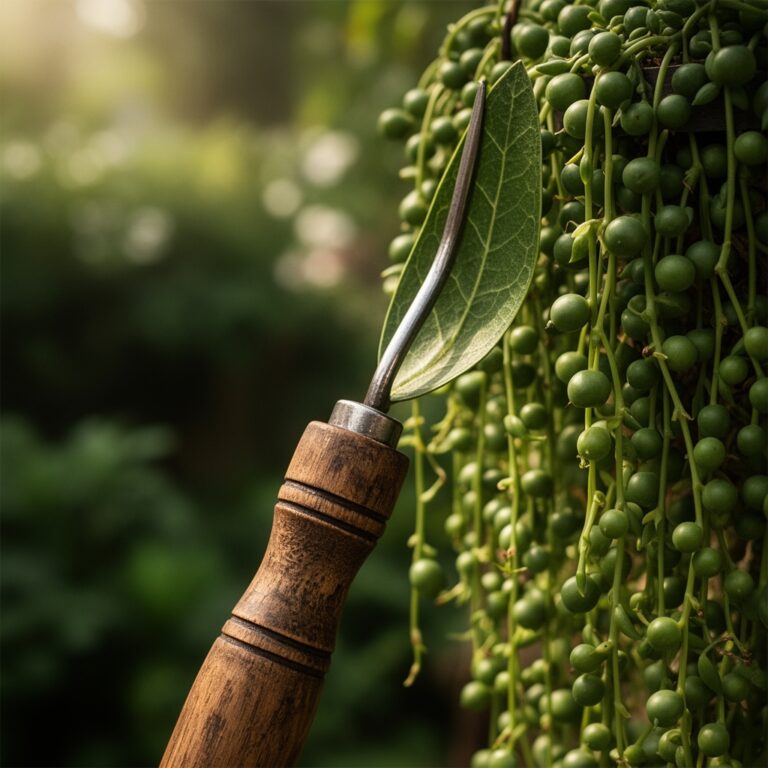
Precision maintenance is the difference between a surviving plant and a thriving one. Deliver exactly 1.5 inches of water per week at the drip line using a soaker hose to prevent foliar diseases. Use a soil moisture meter daily to ensure the substrate does not dry out completely, as desiccation can cause pH spikes. For pruning, utilize sharp bypass pruners to make clean cuts at a 45-degree angle, promoting rapid callus formation. When weeding or checking root health, a hori-hori knife allows for deep soil penetration with minimal disturbance to the primary taproot. Re-test soil acidity every six months to account for the buffering capacity of the native soil, which will naturally attempt to return to its original pH.
The Yield:
For edible crops, harvest timing is dictated by sugar content and firmness. Use a refractometer to check for a Brix rating appropriate for the species. For floral crops, harvest in the early morning when turgor pressure is at its peak. Use a sharp blade to cut stems and immediately plunge them into water adjusted to a pH of 4.5 to 5.0. This acidity prevents bacterial growth in the water and keeps the xylem open for maximum hydration. Post-harvest, store the yield in a cool environment at 34 to 38 degrees Fahrenheit to slow the rate of respiration and preserve "day-one" freshness for the consumer.
FAQ:
How quickly does elemental sulfur lower soil pH?
Elemental sulfur is a slow-acting amendment. It requires soil bacteria to convert it into sulfuric acid, a process taking 3 to 6 months. For immediate results, use liquid iron chelates or aluminum sulfate.
Can I use coffee grounds to acidify my soil?
Coffee grounds are a weak acidifier. While they add organic matter, they lack the chemical density to significantly shift the pH of a large garden bed. Use elemental sulfur for measurable, scientific pH adjustments.
What is the ideal pH for iron availability?
Iron is most available to plants when the soil pH is between 5.5 and 6.5. Once the pH rises above 7.0, iron becomes chemically bound to soil particles and is inaccessible to most root systems.
How do I identify iron deficiency versus nitrogen deficiency?
Iron deficiency causes yellowing on new, upper leaves while veins stay green. Nitrogen deficiency starts on the bottom, older leaves, which turn entirely yellow as the plant mobilizes nitrogen to support new growth.