6 Steps to Install a Vegetable Vine Garden Arch
The weight of ripe tomatoes sagging along a metal frame in July, the curl of pole bean tendrils gripping wire, and the shade cast by a leafy canopy over a gravel path all depend on proper installation. The steps for installing a garden arch for vegetable vines begin months before the first tendril climbs, with site analysis, structural anchoring, and soil amendments that support both the metal framework and the root systems below. A well-installed arch transforms vertical space into productive canopy, increasing yield per square foot while improving air circulation around fruiting bodies. The following method integrates horticultural science with structural carpentry to establish a durable support system that will host annual vines for a decade or longer.
Materials
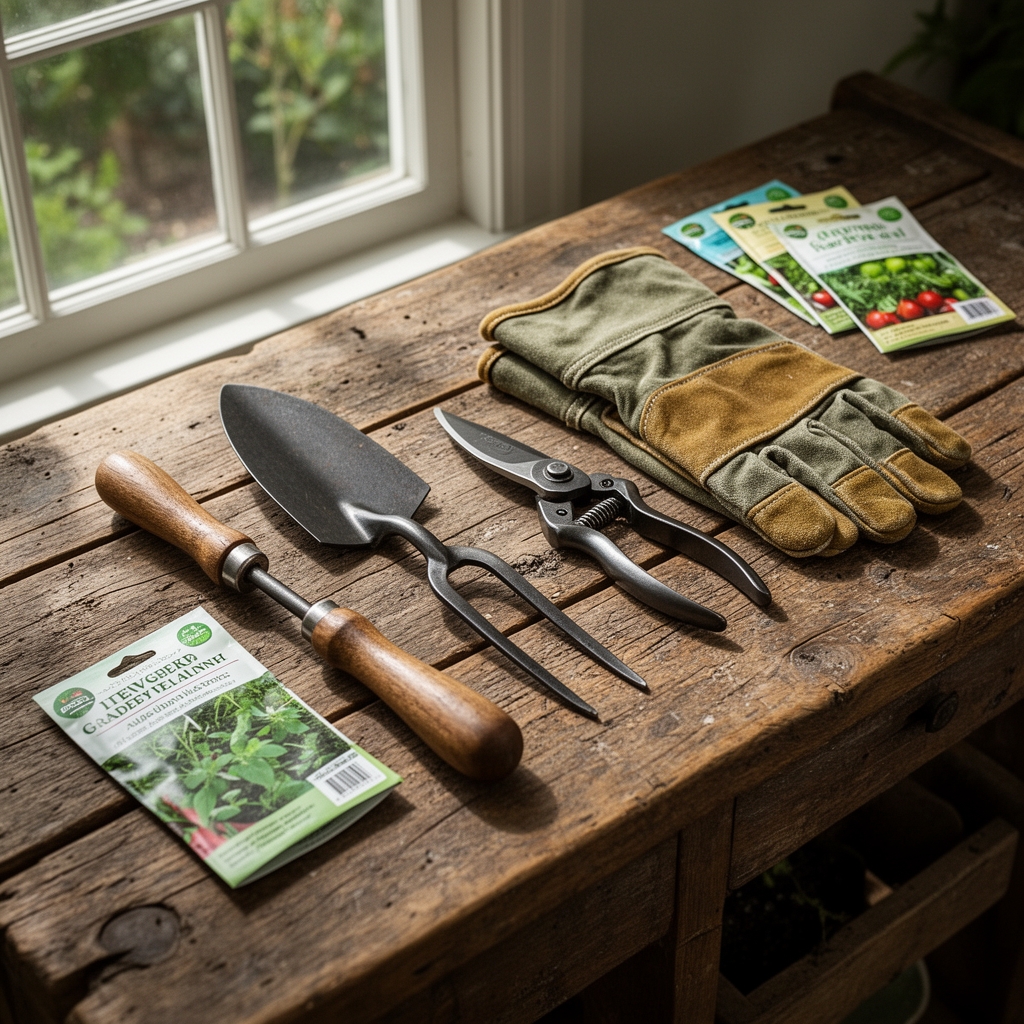
Select galvanized steel or powder-coated aluminum tubing with a minimum diameter of 0.75 inches for the main arch ribs. Wood alternatives require rot-resistant species: black locust, cedar heartwood, or pressure-treated pine rated for ground contact. Concrete footings demand a 60-pound bag of quick-set mix per post, achieving 3,000 PSI cure strength within 48 hours.
Wire mesh or cattle panels with 4-inch grid spacing provide climbing surfaces. Stainless steel wire (14-gauge) resists rust and supports up to 50 pounds per linear foot when tensioned correctly.
Soil amendments depend on baseline chemistry. For pH below 6.0, incorporate dolomitic limestone at 5 pounds per 100 square feet to raise pH by 0.5 units. For nitrogen-deficient soils (below 20 ppm), apply blood meal (12-0-0) at 2 pounds per 100 square feet or feather meal (12-0-0) for slower release over 8 weeks. Phosphorus demands are met with bone meal (3-15-0) at 3 pounds per 100 square feet, critical for root establishment and flower set. Balanced organic fertilizers such as 4-4-4 or 5-5-5 blends provide baseline nutrition without excess salts that inhibit mycorrhizal colonization. Cation exchange capacity improves with compost additions of 2 cubic feet per 10 square feet, buffering pH swings and retaining ammonium ions.
Timing
Install the arch structure in USDA Hardiness Zones 3 through 9 between the last hard freeze and soil temperatures reaching 50°F at 4-inch depth. In Zone 5, this window opens between April 15 and May 10. In Zone 8, installation proceeds from March 1 through March 30.
Tropical zones (10-11) allow year-round installation but should avoid monsoon months when soil saturation prevents proper concrete curing. Frost-sensitive vines such as cucumbers and beans require transplanting two weeks after the final frost date, while peas tolerate soil temperatures as low as 40°F and can be direct-sown four weeks before the last freeze.
Phases
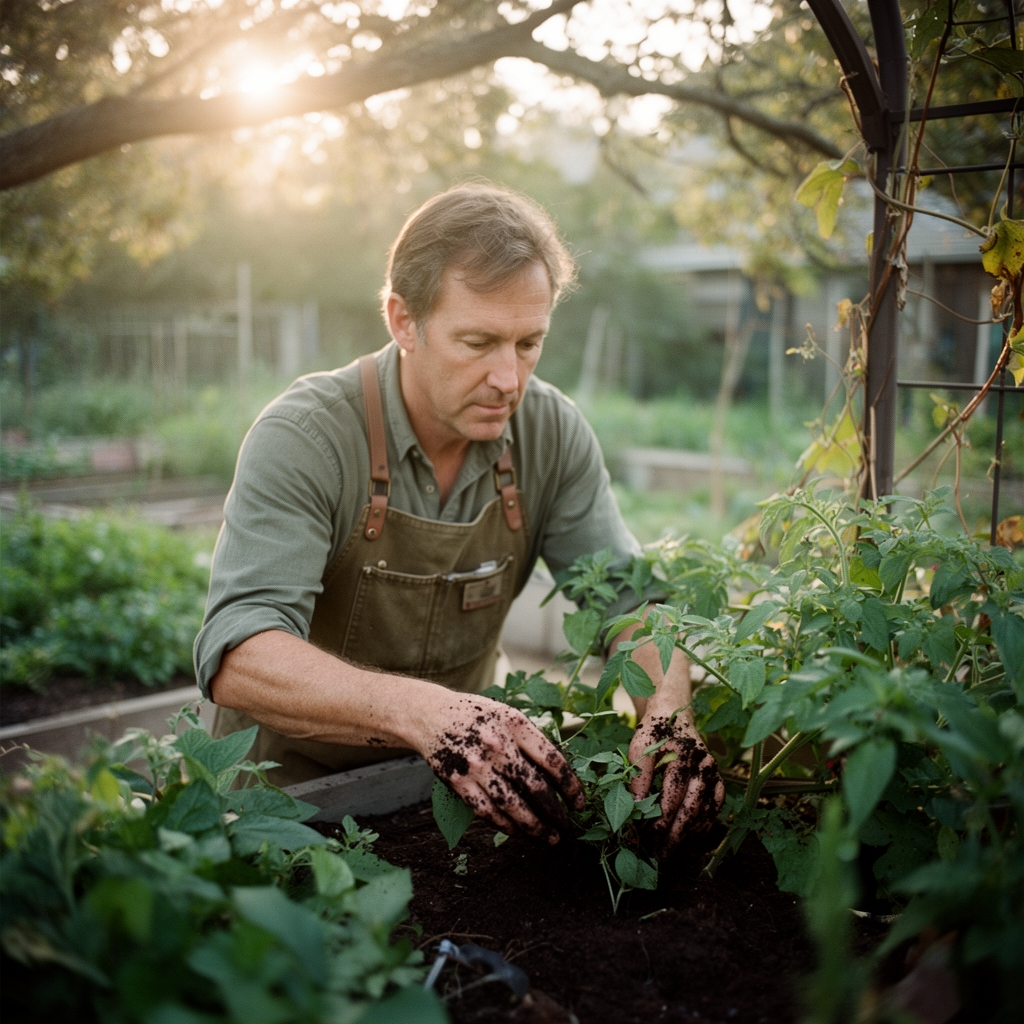
Sowing: Direct-sow pole beans, peas, and cucumbers at the base of each arch leg after soil warms. Plant seeds 1 inch deep, spaced 6 inches apart in a 12-inch-wide band flanking each post. For indeterminate tomatoes started indoors, transplant 18-inch seedlings with root balls intact, burying stems to the first true leaves to encourage adventitious rooting. This increases drought tolerance and auxin distribution to apical meristems.
Pro-Tip: Inoculate seed furrows with Rhizobium bacteria for legumes or endomycorrhizal fungi (Glomus intraradices) for solanaceous crops. Apply 1 teaspoon of inoculant per 10 feet of row, mixed into the top 2 inches of soil.
Transplanting: Position transplants on the north or east side of the arch to maximize morning light exposure while preventing afternoon scorch in zones with summer temperatures exceeding 90°F. Dig planting holes 8 inches deep and 6 inches wide. Amend backfill with 1 cup of worm castings per hole to introduce beneficial microbes and humic acids. Water each transplant with 1 quart of diluted fish emulsion (1 tablespoon per gallon) to reduce transplant shock.
Pro-Tip: Prune tomato suckers at a 45-degree angle when they reach 3 inches, redirecting carbohydrate allocation to the main stem and lateral fruiting trusses.
Establishing: Train vines onto the arch by hand-wrapping tendrils around wire or mesh during the first three weeks. Climbing beans and peas self-attach via thigmotropism, but cucurbits and tomatoes require soft ties or jute twine. Apply 0.5 inches of water every three days for the first month, transitioning to 1 inch per week once roots extend 12 inches deep.
Pro-Tip: Mulch with 3 inches of straw or shredded leaves to suppress weeds, moderate soil temperature, and maintain consistent moisture at the root zone.
Troubleshooting
Symptom: Yellowing lower leaves with green veins (interveinal chlorosis).
Solution: Iron deficiency caused by high pH. Apply chelated iron (Fe-EDDHA) at 1 tablespoon per gallon as a foliar spray or soil drench. Retest soil pH and amend with sulfur at 1 pound per 100 square feet if above 7.5.
Symptom: Blossom end rot on tomatoes and squash.
Solution: Calcium deficiency or inconsistent watering. Maintain soil moisture within 60-80% field capacity. Apply gypsum (calcium sulfate) at 2 pounds per 100 square feet. Avoid high-nitrogen fertilizers that inhibit calcium uptake.
Symptom: Powdery white coating on leaves.
Solution: Powdery mildew (Erysiphe species). Spray with 1 tablespoon baking soda and 1 teaspoon insecticidal soap per quart of water weekly. Improve air circulation by pruning dense foliage.
Symptom: Stunted growth with purple-tinged leaves.
Solution: Phosphorus deficiency. Apply rock phosphate (0-3-0) at 5 pounds per 100 square feet or liquid bone meal foliar spray every 10 days.
Maintenance
Apply 1 inch of water per week, measured with a rain gauge or tuna can. Increase to 1.5 inches during fruiting. Side-dress with compost or 5-5-5 organic fertilizer at 1 cup per plant every four weeks. Prune indeterminate vines to two or three main leaders, removing lower leaves below the first fruit cluster to reduce disease pressure. Inspect wire tension monthly, re-tightening as needed to prevent sagging under crop load.
FAQ
How deep should arch posts be buried?
Bury posts to one-third their total height. For an 8-foot arch, dig 30-inch holes and set posts in concrete.
Can I grow perennial vines on the arch?
Yes. Passionflower, hardy kiwi, and hops tolerate zone-appropriate winters and require annual pruning to prevent overgrowth.
What is the ideal arch width?
A 4-foot interior width accommodates wheelbarrows and provides sufficient light penetration for understory crops like lettuce.
Do vines need fertilizer after establishment?
Heavy feeders such as cucumbers and tomatoes require monthly applications of 1 cup 5-5-5 fertilizer per plant. Legumes need minimal supplemental nitrogen.
When should I remove spent vines?
After first frost, cut vines at soil level and compost disease-free material. Leave roots in place to decompose and feed soil organisms.