6 Easy Ways How to Grow Edible Nasturtiums
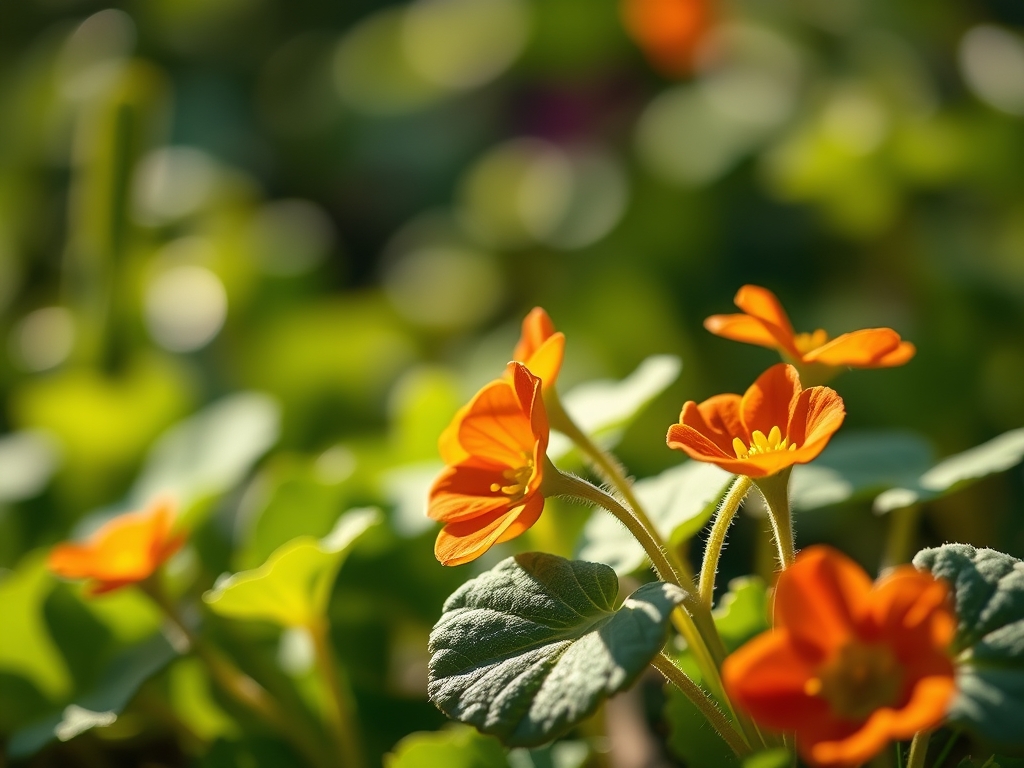
Crushing a fresh nasturtium leaf between your fingers releases a sharp, peppery scent caused by glucosinolates, the same sulfurous compounds found in mustard and horseradish. A healthy plant exhibits high turgor pressure; the circular, peltate leaves should feel firm and hydrated to the touch rather than limp or papery. Mastering how to grow edible nasturtiums requires a shift in perspective. You are not coddling a delicate ornamental; you are managing a vigorous, nitrogen-sensitive annual that thrives on a degree of environmental stress. Tropaeolum majus is a versatile crop that provides edible flowers, leaves, and seed pods, but its success depends on precise soil chemistry and temperature management. These plants are sensitive to photoperiod shifts and temperature spikes, making timing the most critical variable in your cultivation strategy. By understanding the physiological needs of the plant, from the rhizosphere to the apical meristem, you can ensure a continuous harvest from late spring until the first killing frost of autumn.
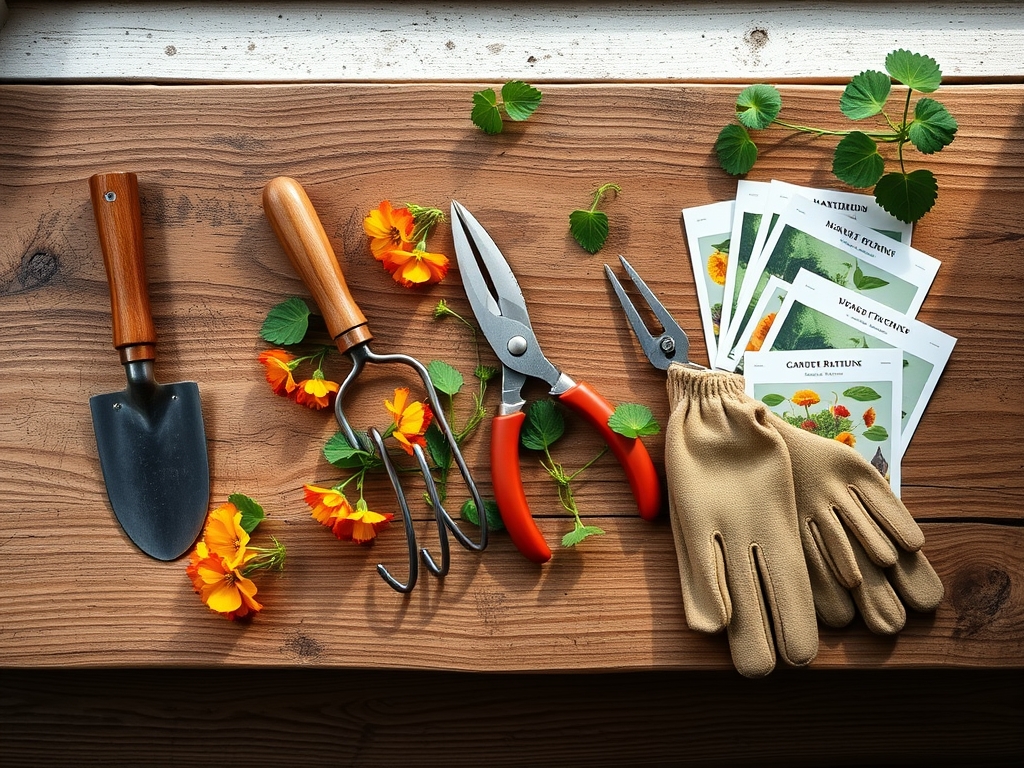
Materials:
Successful cultivation begins with the substrate. Nasturtiums require a pH range of 6.1 to 7.2. In highly acidic soils, nutrient availability is compromised; in overly alkaline soils, iron becomes locked, leading to interveinal chlorosis. The physical texture must be a friable loam that allows for rapid drainage. Compaction is the enemy of the nasturtium root system.
Unlike most garden vegetables, nasturtiums require a low-nitrogen environment. Aim for an NPK ratio of 5-10-10. Excessive nitrogen (the first number in the ratio) triggers aggressive vegetative growth at the expense of floral development. This results in a dense canopy of leaves that hides the flowers, or worse, prevents flowering entirely. The soil Cation Exchange Capacity (CEC) should be moderate. You want a medium that holds sufficient cations like potassium and magnesium but does not retain excessive moisture that could lead to Pythium root rot. Avoid heavy clays or unamended potting mixes that lack perlite or coarse sand for aeration.
Timing:
Nasturtiums are frost-tender annuals suitable for Hardiness Zones 2 through 11, though their growing window varies by latitude. In northern zones (2-6), sow seeds outdoors only after the soil temperature reaches a consistent 60 degrees Fahrenheit (15.5 Celsius). In southern zones (8-11), nasturtiums are often grown as cool-season crops to avoid the physiological shutdown caused by temperatures exceeding 85 degrees Fahrenheit.
The biological clock of the nasturtium is governed by the transition from the vegetative stage to the reproductive stage. This shift is usually triggered by a combination of plant age (roughly 35 to 50 days from germination) and increasing day length. If you plant too late in the summer, the plant may experience heat stress before it can establish a robust root system, leading to premature senescence. Aim to have seeds in the ground 2 to 4 weeks after the last average frost date for your specific microclimate.
Phases:
Sowing
Direct sowing is the preferred method because nasturtiums possess a sensitive taproot system that dislikes disturbance. Plant seeds 1 inch deep and space them 6 to 12 inches apart depending on whether you are growing trailing or mounded varieties. The seed coat is thick and recalcitrant.
Pro-Tip: Scarify the seed coat with a file or soak seeds in tepid water for 12 hours prior to planting. This breaks physical dormancy by allowing rapid imbibition, the process where water enters the seed to activate metabolic enzymes and initiate germination.
Transplanting
If you must start seeds indoors, use biodegradable peat or paper pots. Move them to the garden when they have two sets of true leaves. Ensure the transition happens before the plant becomes root-bound in its container.
Pro-Tip: Maintain the integrity of the root ball to prevent transplant shock. When the roots are disturbed, the plant redirects energy from the apical meristem to root repair, which can delay the flowering phase by up to 14 days.
Establishing
During the first three weeks, focus on moisture consistency. The soil should remain damp but not saturated. Once the plant reaches 6 inches in height, it has established sufficient leaf area for photosynthesis to support rapid expansion.
Pro-Tip: Practice "pinching out" the central growing tip once the plant has three sets of leaves. This disrupts apical dominance and redirects auxins to lateral buds, resulting in a bushier, more productive plant with increased floral sites.
The Clinic:
Physiological disorders in nasturtiums are often mistaken for infectious diseases. Use this diagnostic guide to troubleshoot.
Symptom: Yellowing of lower leaves while veins remain green.
Solution: This is likely Nitrogen Chlorosis. While nasturtiums prefer low nitrogen, a complete absence will stall growth. Apply a diluted fish emulsion at 25 percent strength to the soil surface.
Symptom: Stunted growth with purple or bronze tinting on the underside of leaves.
Solution: This indicates Phosphorus deficiency, often caused by cold soil temperatures (below 55 degrees Fahrenheit) which limit phosphorus uptake. Mulch with straw to increase soil temperature.
Symptom: Marginal leaf burn (browning of the edges).
Solution: This is often a sign of Potassium deficiency or salt accumulation. Flush the rhizosphere with 2 inches of filtered water to leach excess salts and apply a kelp-based meal to boost potassium levels.
Symptom: Rapid wilting despite moist soil.
Solution: Check for root rot pathogens. Improve drainage by incorporating coarse organic matter or moving the plants to a raised bed system.
Maintenance:
Precision hydration is the hallmark of a professional grower. Nasturtiums require approximately 1.5 inches of water per week, delivered at the drip line rather than overhead. Overhead watering increases humidity within the canopy, creating a microclimate conducive to fungal pathogens like powdery mildew. Use a soil moisture meter to verify that the top 2 inches of soil are dry before re-watering.
For maintenance, a hori-hori knife is the ideal tool for weeding around the base without disrupting the shallow lateral roots. Use bypass pruners to remove spent blooms, a process known as deadheading. This prevents the plant from diverting energy into seed production, thereby extending the flowering period. If you notice the vines becoming leggy, prune back the longest stems by one third to stimulate fresh growth and maintain a high leaf-to-stem ratio.
The Yield:
Harvesting edible nasturtiums is a morning task. Pick flowers and leaves just after the dew has evaporated but before the heat of the day causes moisture loss. Flowers should be harvested just as they open for maximum flavor and structural integrity. Leaves are best when they are the size of a half-dollar coin; larger leaves tend to become fibrous and overly pungent.
Use sharp snips to cut the stems, leaving at least 2 inches of growth on the main plant. For "day-one" freshness, immediately submerge the stems in a container of cold water or place the harvest in a sealed container with a damp paper towel. Store at 40 degrees Fahrenheit. Under these conditions, the harvest will maintain turgidity and flavor for up to five days. If you are harvesting the seed pods for "poor man's capers," pick them while they are still green and succulent, before the outer hull hardens and turns brown.
FAQ:
Can nasturtiums grow in full shade?
No. While they tolerate partial shade, they require at least 6 hours of direct sunlight for flower production. In deep shade, the plant will prioritize vegetative growth, resulting in elongated internodes and few, if any, blooms.
Why are my nasturtium leaves turning yellow?
Yellowing is usually caused by overwatering or nitrogen deficiency. Ensure the soil has a high sand or perlite content for drainage. If drainage is adequate, apply a low-nitrogen organic fertilizer to correct nutrient imbalances in the rhizosphere.
How do I stop aphids on nasturtiums?
Nasturtiums act as a "trap crop" for aphids. Use a strong stream of water to mechanically dislodge them from the undersides of leaves. For severe infestations, apply insecticidal soap during the evening to avoid leaf scorch from the sun.
Are all parts of the nasturtium edible?
Yes. The flowers, leaves, and green seed pods are all edible and possess a peppery flavor profile. However, always ensure the plants have not been treated with systemic pesticides or chemical fertilizers not labeled for food crops.