7 Fast-Growing Benefits of Specialized Fern Fertilizer
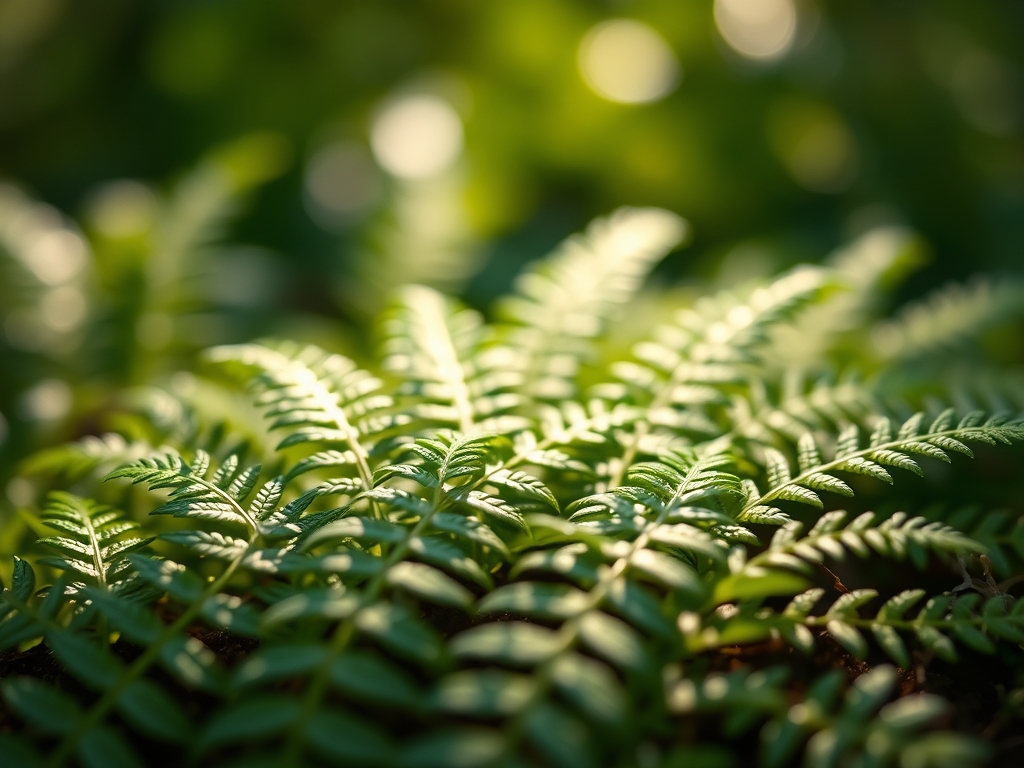
The smell of damp humus and decaying organic matter defines a healthy fern environment; it is the scent of a high-functioning rhizosphere. When you touch a frond, you should feel immediate resistance and turgor pressure. This rigidity indicates the plant is properly hydrated and nutrient-dense. Using a specialized fern fertilizer ensures that the delicate balance of macro and micronutrients is maintained without the risk of salt accumulation. Standard synthetic fertilizers often contain high concentrations of urea or ammonium that can desiccate the sensitive, shallow root systems of Pteridophytes. By utilizing a formula specifically calibrated for the unique metabolic pathways of non-flowering vascular plants, you provide the precise chemical signals required for rapid frond expansion and sturdy stipe development. This targeted approach prevents the common physiological stresses associated with generic nitrogen spikes.
Materials:

Ferns thrive in a substrate that mimics the forest floor. This requires a **friable loam** with a high percentage of organic matter to facilitate a high **Cation Exchange Capacity (CEC)**. The ideal soil pH for most species, including the Polystichum and Adiantum genera, ranges from **5.5 to 6.5**. If the pH climbs above 7.0, iron and manganese become chemically unavailable to the plant.
The NPK ratio for specialized fern fertilizer should typically hover around 3-1-2 or 10-5-5. Nitrogen is the primary driver for frond development, but it must be delivered in a slow-release or highly diluted liquid form to avoid osmotic shock. Look for fertilizers that include chelated micronutrients; specifically, magnesium is essential for the central atom of the chlorophyll molecule, and iron prevents interveinal chlorosis. The texture of your potting medium should be porous enough to allow for 20 percent air porosity even when saturated.
Timing:
Ferns are most active when soil temperatures remain consistently between 60 and 75 degrees Fahrenheit. In USDA Hardiness Zones 3 through 9, this window typically opens after the last spring frost and closes four weeks before the first autumn frost. The biological clock of a fern is governed by the photoperiod and temperature fluctuations. During the transition from the dormant winter phase to the active vegetative stage, the plant requires a surge in nitrogen to fuel the "fiddlehead" or crozier emergence.
Do not fertilize during the reproductive stage when sori (spore clusters) are maturing on the underside of the fronds. At this point, the plant redirects energy from vegetative growth to reproductive preservation. Applying heavy nutrients during this senescence-adjacent phase can disrupt the natural cycle and lead to weak, leggy growth that cannot withstand winter dormancy.
Phases:

Sowing and Spore Propagation
Propagating ferns from spores requires a sterile, nutrient-poor medium like peat or perlite. Do not use specialized fertilizer at this stage. The gametophyte, the first visible green growth, is a single cell layer thick and lacks a vascular system.
Pro-Tip: The biological why behind avoiding early fertilization is osmotic potential. Because gametophytes lack a protective waxy cuticle, high salt concentrations in fertilizer will draw water out of the cells via osmosis, causing immediate dehydration and death.
Transplanting
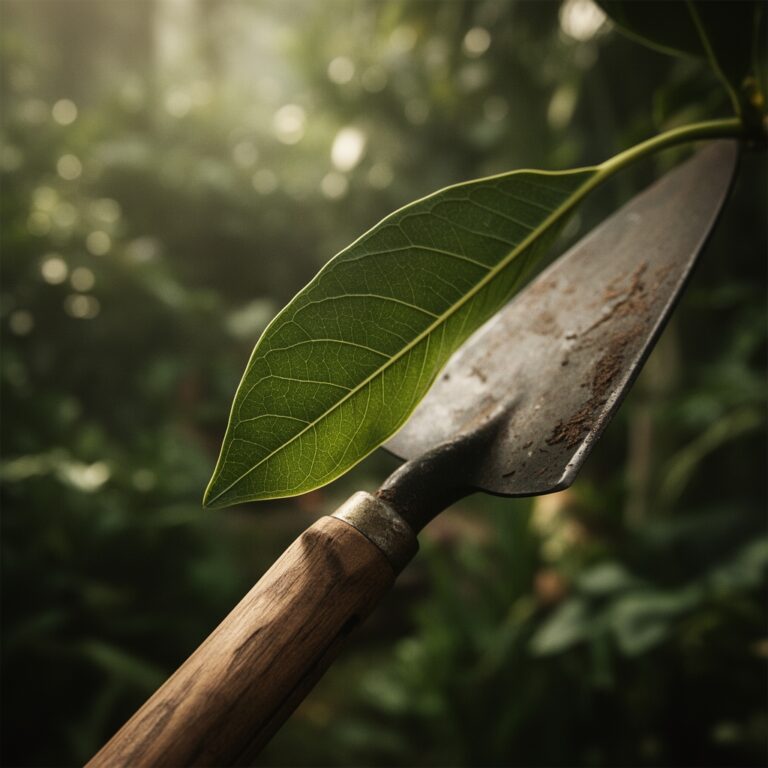
When moving a fern from a nursery pot to the ground or a larger vessel, check the root ball for circling roots. Use a hori-hori knife to make three or four vertical incisions to break the root memory. Incorporate a diluted half-strength dose of specialized fertilizer into the backfill soil to encourage immediate root branching.
Pro-Tip: This phase relies on auxin suppression. By lightly pruning the root tips, you remove the source of certain growth inhibitors, which triggers the plant to produce new lateral roots that can more efficiently interface with the new soil profile.
Establishing
During the first six months, the focus is on establishing a robust root-to-shoot ratio. Apply fertilizer every four weeks during the growing season. Ensure the soil is moist before application to prevent root burn.
Pro-Tip: This period leverages mycorrhizal symbiosis. Specialized fern fertilizers often contain humic acids that support beneficial fungi. These fungi extend the reach of the root system, increasing the surface area for phosphorus uptake by up to 100 times.
The Clinic:
Physiological disorders in ferns often mimic fungal infections, but they are frequently rooted in nutritional or environmental imbalances.
Symptom: Brown, crispy frond margins.
Solution: This is often a sign of high salt index in the soil or low humidity. Flush the substrate with three volumes of clear water for every one volume of pot size to leach out excess minerals.
Symptom: Interveinal chlorosis (yellow leaves with green veins).
Solution: This indicates a lack of iron or magnesium. Check the soil pH first. If the pH is above 7.0, the plant cannot "unlock" these minerals. Lower the pH using elemental sulfur or apply a chelated iron foliar spray.
Symptom: Stunted growth and pale green fronds.
Solution: Nitrogen deficiency. Increase the frequency of your specialized fern fertilizer applications, ensuring the NPK ratio favors the first digit.
Fix-It for Nitrogen Chlorosis: If the entire plant is turning a uniform pale yellow, apply a liquid fish emulsion at 50 percent strength every two weeks until the deep green luster returns. This provides an immediate, bioavailable nitrogen source.
Maintenance:
Precision is the hallmark of professional fern care. Use a soil moisture meter to ensure the substrate never drops below 40 percent available water capacity. Ferns require approximately 1.5 inches of water per week delivered at the drip line to avoid wetting the crown, which can lead to Rhizoctonia crown rot.
Pruning should be performed with sharp bypass pruners to ensure clean vascular cuts. Remove only the dead or severely damaged fronds from the previous season. When dividing rhizomatous ferns, use a hori-hori knife to ensure a clean separation of the root mass. Always sterilize your tools with 70 percent isopropyl alcohol between plants to prevent the spread of pathogens.
The Yield:
While most ferns are ornamental, some species like the Ostrich Fern (Matteuccia struthiopteris) provide edible fiddleheads. Harvest these when they are no more than 2 to 6 inches tall and still tightly coiled. Use a sharp knife to cut the stipe 1 inch above the ground. To maintain day-one freshness, submerge the fiddleheads in ice-cold water immediately after harvest to slow the metabolic rate and preserve turgor. They can be stored in a sealed container at 34 degrees Fahrenheit for up to five days. Never harvest more than one-third of the fiddleheads from a single crown to ensure the plant has enough photosynthetic surface area to recharge its rhizome for the following year.
FAQ:
How often should I use specialized fern fertilizer?
Apply at half-strength every four to six weeks during the active growing season. Stop all fertilization in late summer to allow the plant to harden off before the first frost.
Can I use regular houseplant food for my ferns?
Standard fertilizers are often too concentrated. If you must use one, dilute it to one-quarter strength. However, specialized formulas provide the specific micronutrients like magnesium that ferns require for optimal frond density.
What is the best NPK ratio for ferns?
A ratio of 3-1-2 or 10-5-5 is ideal. High nitrogen supports the vegetative growth of fronds, while lower phosphorus levels are sufficient since ferns do not need to produce flowers or fruit.
Why are the tips of my ferns turning brown?
This is usually caused by fluoride or salt accumulation from tap water and fertilizers. Use filtered water and ensure your specialized fertilizer has a low salt index to prevent marginal necrosis.