10 Complex Ways How to Design a Rooftop Garden
Crushing a handful of damp, friable loam reveals the metallic scent of geosmin and the gritty reality of urban horticulture. Success in high-altitude cultivation depends on mastering turgor pressure against relentless wind desiccation. To understand how to design a rooftop garden, one must treat the building as a living organism rather than a static platform. Weight loads, thermal mass, and wind shear dictate every botanical decision from the rhizosphere to the canopy. You are not merely planting; you are engineering a microclimate where solar radiation is amplified and drainage is absolute.
Materials:
Standard garden soil is too heavy and compacts too easily for elevated containers. You require a lightweight, engineered substrate with a high Cation Exchange Capacity (CEC) to retain nutrients against heavy leaching. The ideal physical texture is a friable mix of 40 percent expanded shale or perlite, 40 percent composted organic matter, and 20 percent sharp sand.
Target a pH level between 6.2 and 6.8 to ensure maximum bioavailability of micronutrients. For the initial establishment phase, utilize a fertilizer with an NPK ratio of 10-10-10 to support balanced root and shoot development. As plants transition to reproductive stages, shift toward a 5-10-15 ratio to prioritize phosphorus and potassium for fruit and flower production. Ensure your drainage layer consists of at least 2 inches of recycled polyethylene geonets or aggregate to prevent root rot in the anaerobic zone.
Timing:
Rooftop microclimates often track one full Hardiness Zone warmer than the ground level due to the thermal mass of the building. However, the lack of windbreaks means the "last frost" date is a suggestion, not a rule. In Zones 6 through 8, initiate the hardening-off process when nighttime temperatures consistently hold above 50 degrees Fahrenheit.
The biological clock of your garden is governed by the photoperiod. On a roof, plants receive 20 to 30 percent more UV radiation than those at street level. This accelerates the transition from the vegetative stage to senescence. Monitor the degree days (accumulated heat units) closely. For cool-season crops like brassicas, a rooftop environment may trigger premature bolting if the substrate temperature exceeds 75 degrees Fahrenheit.
Phases:

Sowing and Seed Starting
Direct sow only the heartiest seeds into the substrate once the top 2 inches of soil reach a stable 65 degrees Fahrenheit. Use a depth of three times the seed's diameter to ensure adequate moisture contact.
Pro-Tip: Utilize a mycorrhizal inoculant during sowing. Biological Why: These fungi form a symbiotic relationship with the root system, extending the reach of the rhizosphere and increasing the plant's ability to uptake water during high-heat periods.
Transplanting
When moving seedlings from the nursery to the roof, minimize transplant shock by maintaining the integrity of the root ball. Dig a hole twice the width of the container. Ensure the root flare is level with the soil surface to prevent stem rot.
Pro-Tip: Apply a seaweed-based kelp solution immediately after transplanting. Biological Why: High concentrations of cytokinins in kelp promote rapid cell division and mitigate the stress of moving into a high-wind environment.
Establishing and Structural Support
Rooftop winds require immediate staking. Use soft ties to secure stems to bamboo or steel supports, allowing for slight movement to encourage thigmomorphogenesis.
Pro-Tip: Pinch off the terminal buds of young plants to encourage lateral branching. Biological Why: This disrupts auxin suppression (apical dominance), forcing the plant to distribute energy to side shoots, resulting in a bushier, more wind-resistant profile.
The Clinic:
Physiological disorders on a rooftop are often mistaken for pathogens. Use these diagnostics to stabilize your garden.
Symptom: Interveinal Chlorosis
Yellowing between the leaf veins while the veins remain green indicates a Magnesium deficiency. This often occurs in high-calcium substrates.
Solution: Apply a foliar spray of Epsom salts (Magnesium Sulfate) at a rate of 1 tablespoon per gallon of water.
Symptom: Blossom End Rot
A dark, leathery spot on the bottom of fruit signifies a Calcium transport failure. This is rarely a lack of calcium in the soil and usually a result of inconsistent irrigation.
Solution: Stabilize the moisture levels using a soil moisture meter to ensure the plant can consistently move calcium through the xylem.
Symptom: Leaf Scorch
Crispy, brown margins on leaves indicate excessive transpiration. The plant is losing water faster than the roots can provide it.
Solution: Install 30 percent shade cloth during the peak solar window of 12:00 PM to 4:00 PM.
Maintenance:
Precision is the difference between a thriving garden and a collection of dead stalks. Deliver 1.5 inches of water per week directly to the drip line. Avoid overhead watering, which increases the risk of fungal spores germinating on the leaf surface. Use a soil moisture meter daily to check the tension at a depth of 6 inches.
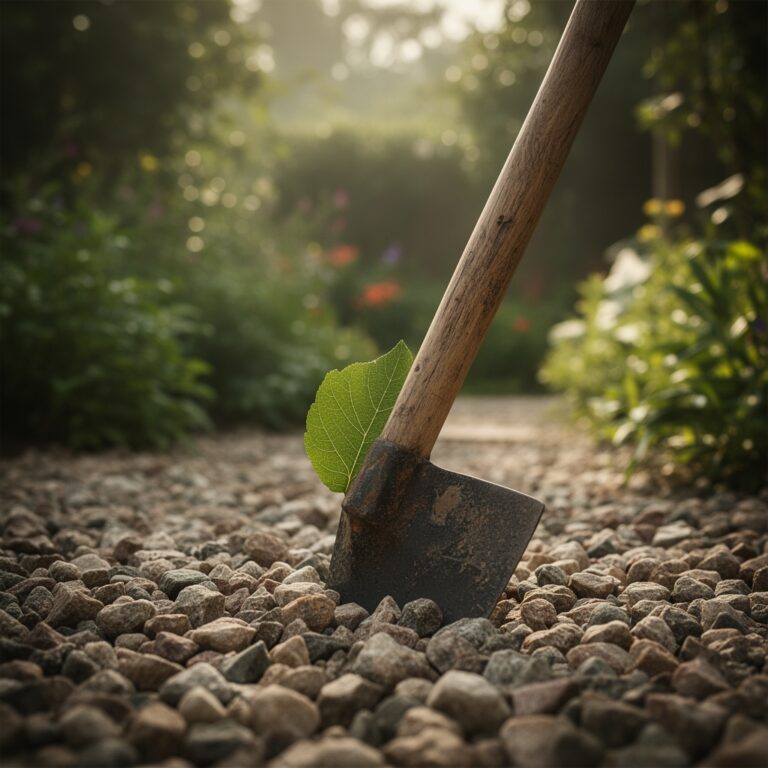
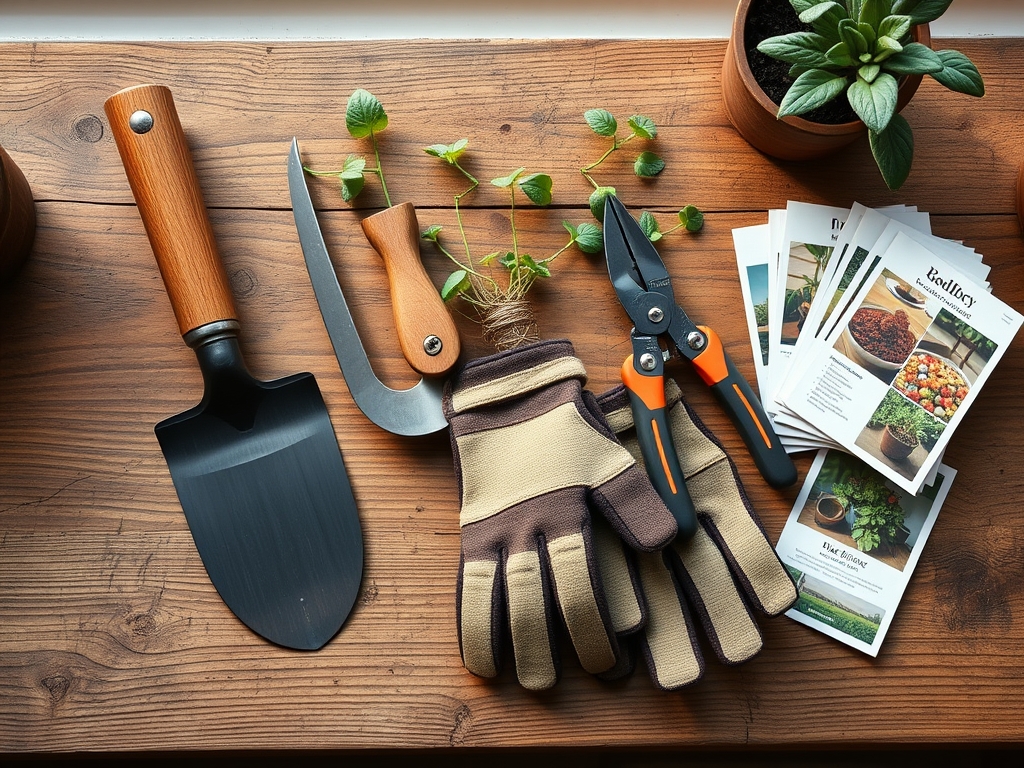
For pruning, use bypass pruners to make clean, slanted cuts that shed water. A hori-hori knife is the essential tool for rooftop weeding and bulb planting; its serrated edge cuts through the dense root mats often found in containerized systems. Every six months, top-dress the containers with 1 inch of fresh compost to replenish the organic matter lost to microbial decomposition.
The Yield:
Harvesting on a rooftop requires timing to preserve turgor pressure. Collect leafy greens and herbs before 8:00 AM when the cells are most hydrated. Use a sharp blade to make a clean severance; tearing the tissue creates a larger surface area for moisture loss and pathogen entry.
Post-harvest, immediately submerge the produce in a 40-degree Fahrenheit water bath. This rapid cooling, known as hydro-cooling, removes field heat and slows the metabolic rate of the plant. This process preserves the sugars and prevents the rapid senescence that occurs in the high-heat environment of a city roof.
FAQ:
How much weight can a standard roof hold for a garden?
Most modern residential roofs support 15 to 20 pounds per square foot. Always consult a structural engineer before installing heavy masonry or large trees. Use lightweight substrates and aluminum containers to minimize the static load on the joists.
How do I stop wind from killing my rooftop plants?
Install permeable windbreaks like trellises or mesh fencing. These break the wind's force without creating the turbulence associated with solid walls. Select plants with small, leathery leaves or flexible stems that can withstand high anemometer readings without snapping.
Do rooftop gardens need special drainage?
Yes. You must use a multi-layered drainage system including a root barrier, a drainage mat, and a filter fabric. This prevents fine soil particles from clogging the building's internal drainage pipes while ensuring the rhizosphere remains aerobic and free of standing water.
How often should I fertilize a rooftop garden?
Because containers leach nutrients rapidly during heavy rain, use a slow-release granular fertilizer every 6 to 8 weeks. Supplement with a liquid seaweed or fish emulsion every 14 days during the peak growing season to maintain optimal NPK levels.