9 Climbing Steps for Repotting a Heartleaf Philodendron
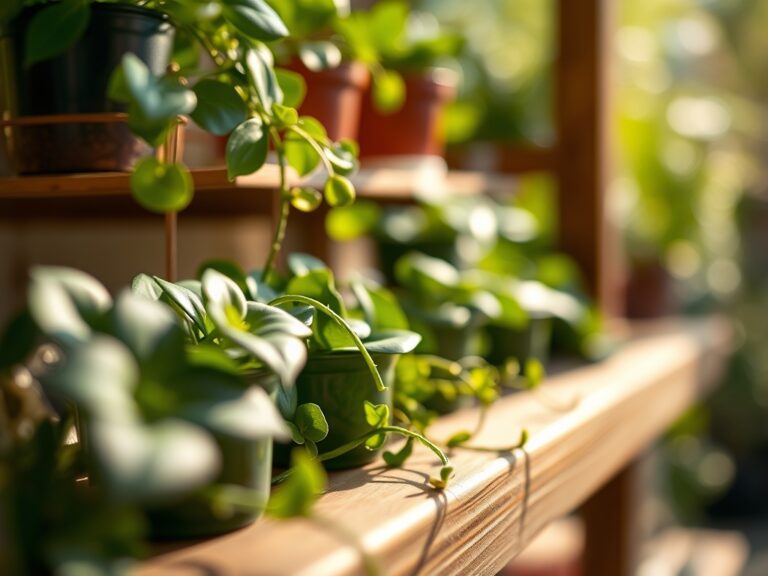
The scent of damp humus and the distinct, metallic tang of wet perlite signal the start of a successful transplant. When you grasp a Philodendron hederaceum, you should feel the high turgor pressure within the petioles; a firm, snappy resistance that indicates the vascular system is fully hydrated. Mastering the steps for repotting a heartleaf philodendron requires more than just moving a plant to a larger vessel. It is a technical intervention in the plant's rhizosphere to prevent root binding and nutrient depletion. If the root mass has begun to circle the interior of the pot, the plant's ability to transport water via xylem is compromised. You are looking for a specific density of white, fleshy roots. If they appear brown or mushy, the cellular structure has collapsed due to anaerobic conditions. By refreshing the substrate and expanding the root zone, you reset the biological clock of the specimen, allowing for increased leaf morphology and internodal strength. Precision during this transition ensures the specimen maintains its photosynthetic efficiency without the setback of transplant shock.
Materials:
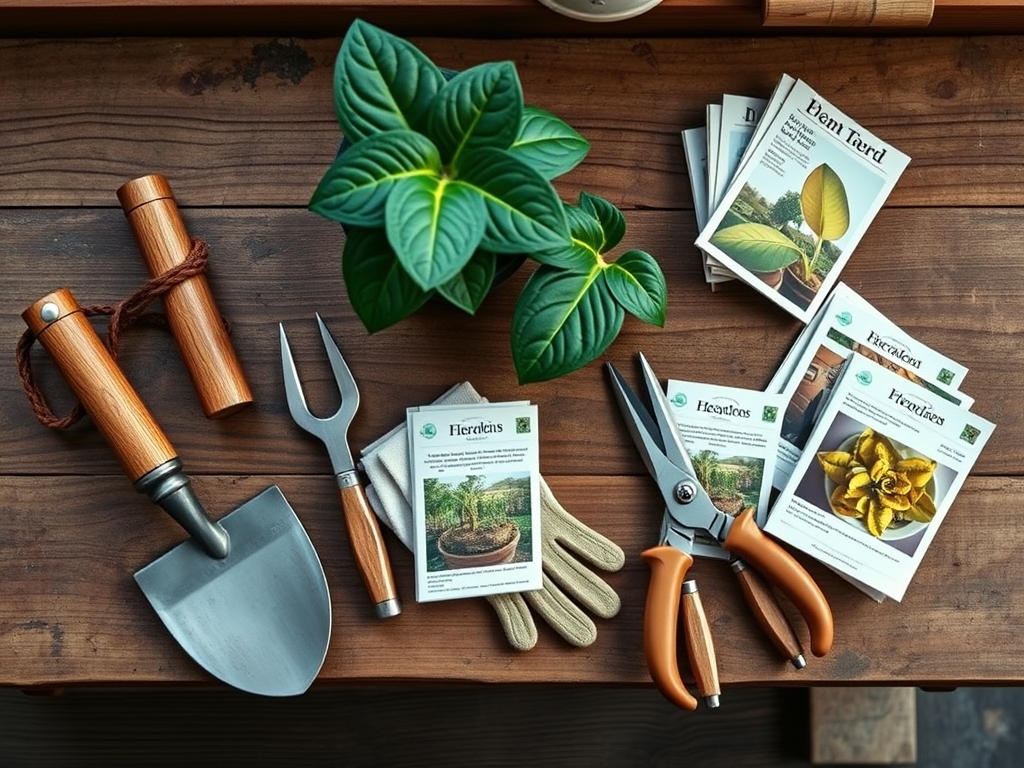
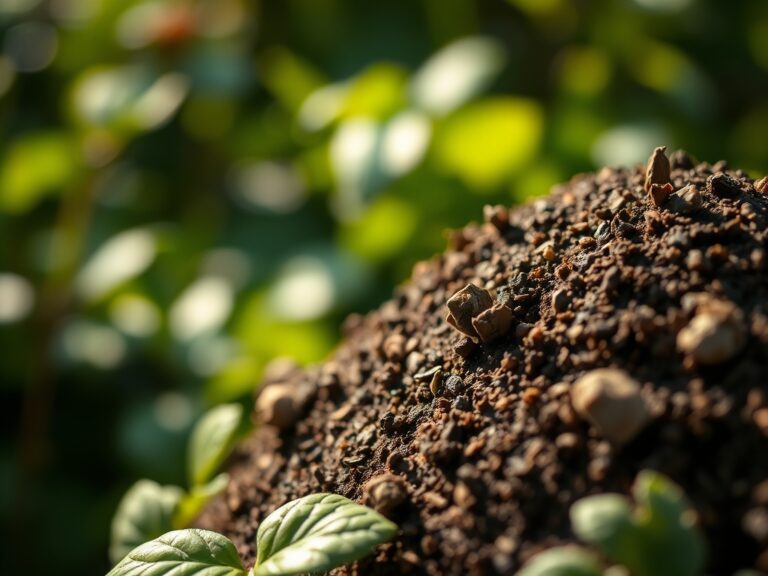
Successful repotting depends on the chemical and physical properties of the substrate. The heartleaf philodendron requires a soil pH between 5.5 and 6.0 to ensure optimal nutrient bioavailability. A friable loam is the objective; it must be loose enough to allow gas exchange but dense enough to retain moisture.
The NPK ratio for the initial potting mix should be a controlled-release 10-10-10 or 20-20-20 diluted to half strength to avoid osmotic stress on new root hairs. The substrate must include:
- 50% Peat moss or Coconut Coir: High Cation Exchange Capacity (CEC) for nutrient retention.
- 30% Perlite or Pumice: To maintain macro-pore space for oxygenation.
- 20% Pine Bark Fines: To simulate the epiphytic environment of the tropical floor.
A high CEC is vital because it allows the soil to hold onto positively charged nutrients like calcium and magnesium, preventing them from leaching out during irrigation.
Timing:
While Philodendron hederaceum is typically grown indoors, its biological clock is tethered to the photoperiod and ambient temperatures of its native tropical environment. In temperate regions, the ideal window for the steps for repotting a heartleaf philodendron is late spring or early summer. This aligns with the transition from semi-dormancy to active vegetative growth.
In terms of Hardiness Zones, this species is only perennial in Zones 10 through 12. For indoor growers, ensure the ambient room temperature is consistently between 70 and 80 degrees Fahrenheit before initiating a repot. Do not repot if the plant is showing signs of reproductive senescence or if the light levels are decreasing in autumn. The plant requires maximum metabolic activity to repair the microscopic root damage that inevitably occurs during a substrate change.
Phases:
Sowing the Foundation
Before the plant leaves its current housing, prepare the new vessel. It must be no more than 2 inches larger in diameter than the current pot. A vessel that is too large creates a "perched water table," where the bottom layer of soil remains saturated because the small root system cannot transpire the volume of water available. This leads to Pythium root rot.
Pro-Tip: Pre-moisten your substrate until it reaches "field capacity"—where it holds water but does not drip when squeezed. This prevents the dry peat from wicking moisture away from the roots immediately after contact, a biological necessity to maintain cell turgor.
Transplanting with Precision
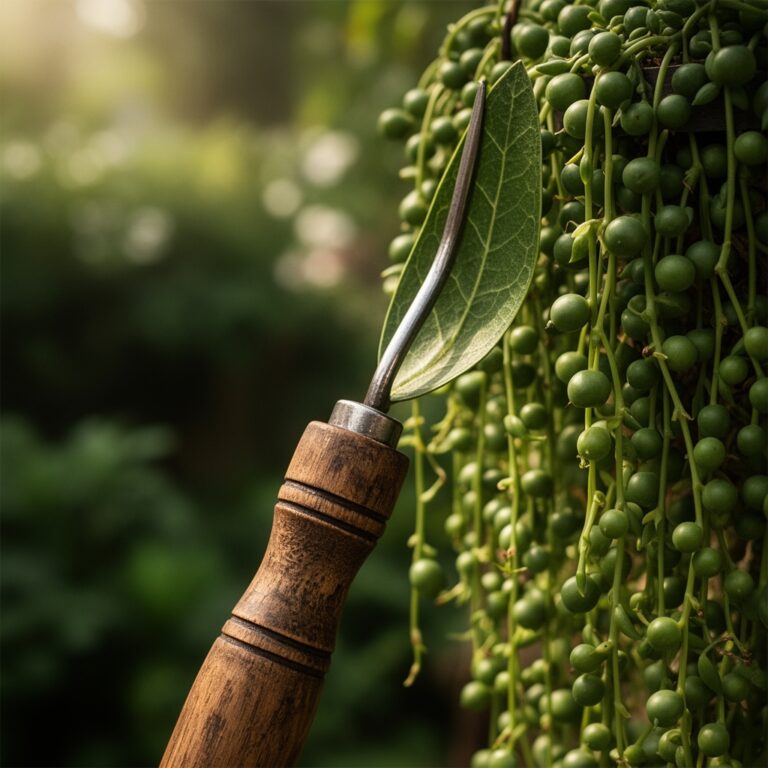
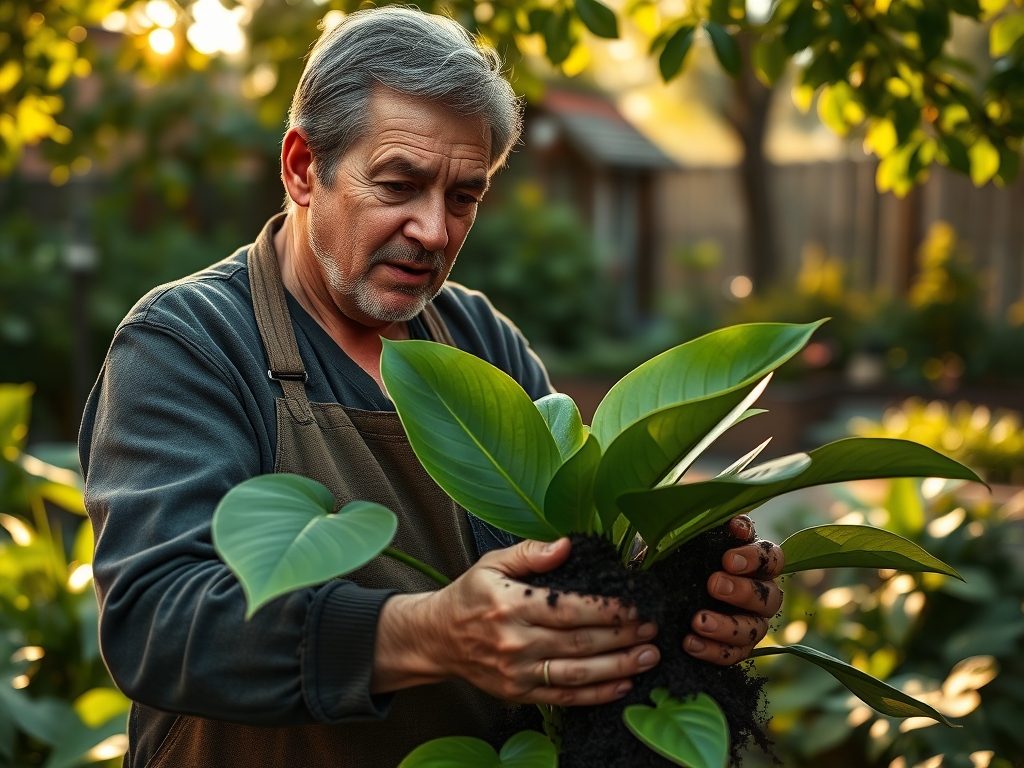
Invert the plant and support the main stems at the soil line. If the plant is stuck, use a hori-hori knife to slide around the inner perimeter of the pot. Once removed, inspect the root architecture. Use sterilized bypass pruners to snip any roots that are circling the bottom. This mechanical disruption encourages the production of lateral roots.
Pro-Tip: When you prune the roots, you stimulate the production of auxins. These hormones migrate to the root tips to trigger new cellular division, effectively "restarting" the plant's search for nutrients through a process called gravitropism.
Establishing the Rhizosphere
Place the specimen in the center of the new pot. Ensure the depth is identical to its previous housing. Burying the nodes too deeply can lead to stem rot, while leaving roots exposed leads to desiccation. Firm the soil gently to remove large air pockets, but do not compress it so hard that you collapse the macro-pores.
Pro-Tip: Immediate irrigation after transplanting facilitates "root-to-soil contact." This is critical for mycorrhizal symbiosis, where beneficial fungi in the soil connect with the root system to enhance phosphorus uptake.
The Clinic:
Physiological disorders often manifest immediately following a repot if the environment is not controlled.
- Symptom: Yellowing of lower leaves (Nitrogen Chlorosis).
- Solution: Nitrogen is a mobile nutrient; the plant is scavenging it from old growth to fuel new roots. Apply a liquid 10-5-5 fertilizer at quarter strength.
- Symptom: Leaf wilting despite wet soil (Root Suffocation).
- Solution: The substrate is too dense. Incorporate more perlite to increase the air-to-water ratio.
- Symptom: Brown, crispy leaf margins (Low Humidity/Salt Accumulation).
- Solution: Flush the soil with distilled water to leach excess salts and maintain ambient humidity above 50%.
Maintenance:
Post-repotting maintenance requires a data-driven approach. Use a soil moisture meter to ensure the substrate stays within the "moist but not saturated" range. Generally, the plant requires 1.0 to 1.5 inches of water per week, delivered evenly across the soil surface.
Monitor the plant for light saturation. While heartleaf philodendrons are shade-tolerant, they thrive at 150 to 250 foot-candles of light. Use your bypass pruners to remove any leggy growth, cutting just above a node to encourage branching. This redirecting of energy prevents apical dominance and creates a fuller, more robust specimen.
The Yield:
While the heartleaf philodendron is not an edible crop, its "yield" is measured in biomass and propagation material. To harvest cuttings for new plants, select a vine with at least three nodes. Use a sharp blade to make a clean diagonal cut. To maintain "day-one" freshness and ensure successful rooting, immediately place the cutting in a solution of water and a trace amount of rooting hormone. This prevents an embolism in the xylem and keeps the stomata closed, reducing moisture loss until new roots can form.
FAQ:
How do I know it is time to repot?
Check the drainage holes. If roots are protruding or the water runs straight through without soaking in, the root-to-soil ratio is too high. Repotting is necessary when the plant becomes "pot-bound," typically every 18 to 24 months.
What is the best soil for a heartleaf philodendron?
A well-draining, peat-based mix with a pH of 5.5 to 6.0 is ideal. Combine 50% peat, 30% perlite, and 20% orchid bark. This mixture ensures proper aeration and prevents the anaerobic conditions that lead to root rot.
Can I use a pot without drainage holes?
No. Without drainage, salts from fertilizers accumulate and water displaces oxygen in the soil. This leads to root senescence and fungal pathogens. Always use a vessel with at least one half-inch drainage hole at the base.
Why are the leaves drooping after I repotted?
This is likely transplant shock or an air pocket near the primary root mass. Ensure you watered thoroughly to settle the soil. Maintain high humidity and keep the plant out of direct thermal vents to reduce transpiration stress.