8 Hoya-Steps to Prepare a Vining Hoya Plant Shelf
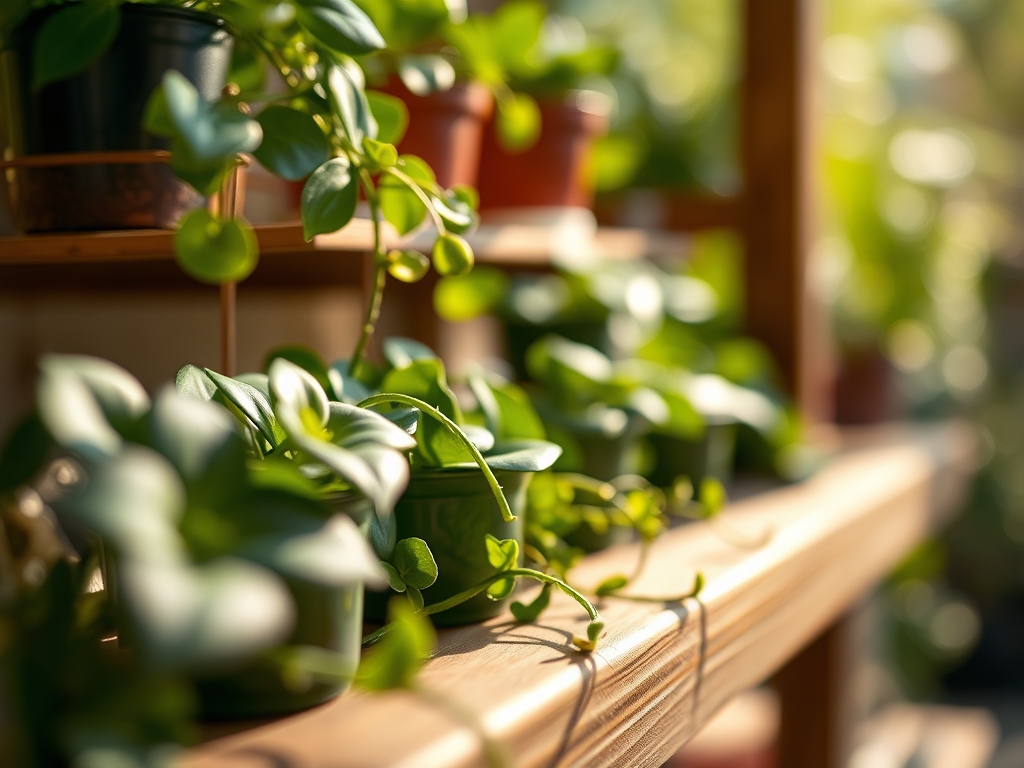
Turgor pressure dictates the structural integrity of a Hoya carnosa leaf; it is the difference between a rigid, succulent blade and a flaccid, dehydrated specimen. When you crush a handful of orchid bark and perlite, the scent is earthy and sharp, indicating a healthy aerobic environment. Learning how to prepare a plant shelf for hoyas requires a transition from casual hobbyist to a disciplined horticultural technician. You are not just placing pots on a board; you are engineering a microclimate that balances light intensity, humidity gradients, and structural support for heavy, epiphytic vines.
Success depends on understanding the specific physiological needs of the genus Hoya. These plants require high gas exchange at the root zone and precise light levels to trigger the transition from vegetative growth to the production of peduncles. A shelf system must be more than a storage unit; it must function as a life support system that mimics the tropical canopy. This guide provides the technical framework to build a high performance environment that optimizes photosynthesis and prevents the onset of root senescence.
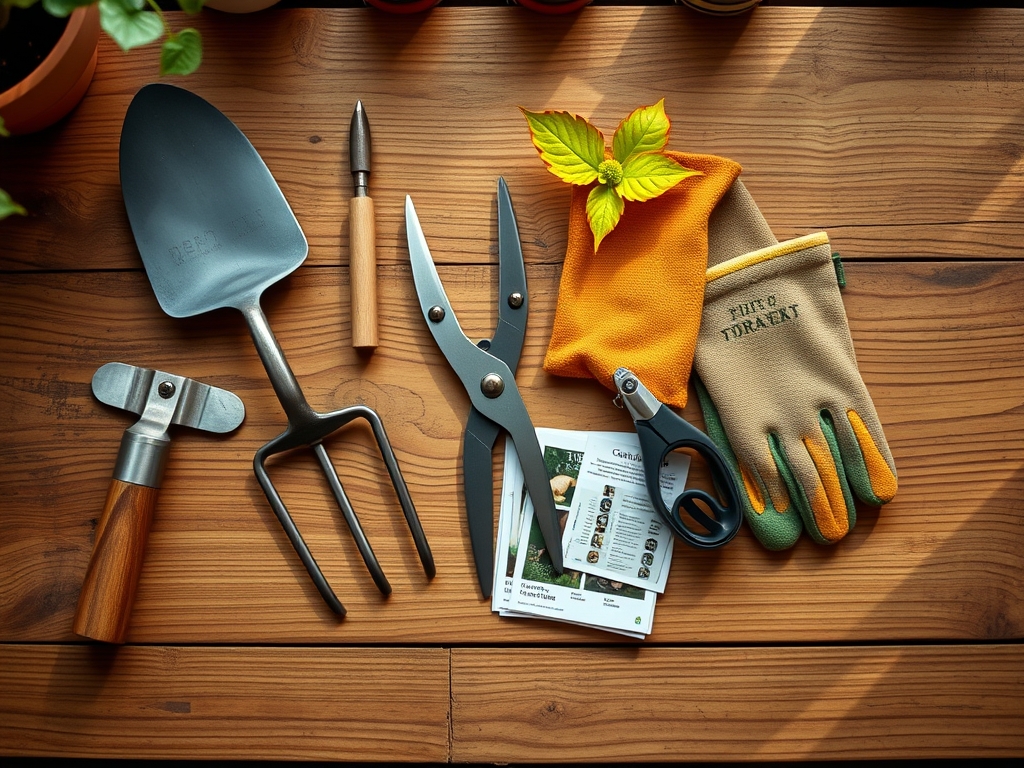
Materials:
The substrate is the foundation of the rhizosphere. For Hoyas, the ideal soil pH ranges from 6.0 to 7.0, which ensures maximum availability of micronutrients. Avoid standard potting soils that compact and suffocate roots. Instead, utilize a friable mix consisting of one part chunky orchid bark, one part perlite, and one part coconut coir. This mixture provides a high Cation Exchange Capacity (CEC), allowing the medium to hold and release nutrients efficiently.
Regarding nutrition, maintain a balanced NPK ratio of 10-10-10 during the active growing season. For species known for heavy blooming, such as Hoya polyneura, a transition to a high phosphorus formula like 5-15-5 can encourage floral development. Ensure the shelf itself is constructed from non porous materials like powder coated steel or sealed hardwood to prevent fungal colonization. Use 1000-lux to 2000-lux LED grow lights with a color temperature of 5000K to 6500K to simulate full spectrum daylight.
Timing:
Hoyas are primarily tropical and subtropical species, generally thriving in USDA Hardiness Zones 10 through 12. If you are growing indoors in cooler zones, the biological clock is governed by the photoperiod. Most Hoyas require 12 to 14 hours of light to maintain active vegetative growth. As the winter solstice approaches, the reduction in natural light can trigger a dormant state where metabolic activity slows significantly.
The transition from the vegetative stage to the reproductive stage is often triggered by a combination of mature vine length and a slight drop in nighttime temperatures, usually between 60 and 65 degrees Fahrenheit. Avoid transplanting or heavy pruning during the winter months when the plant's recovery rate is at its lowest. The best window for shelf reconfiguration or repotting is early spring, coinciding with the natural increase in ambient humidity and light intensity.
Phases:
Sowing and Propagation
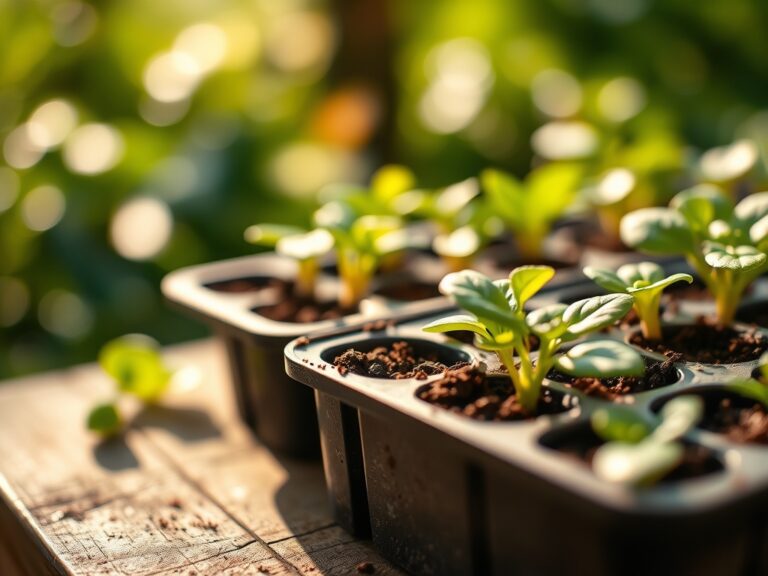
Most Hoya enthusiasts begin with stem cuttings rather than seeds. To propagate, select a healthy node and utilize a rooting hormone containing Indole-3-butyric acid (IBA). Place the cutting in a high humidity prop box with a consistent temperature of 75 degrees Fahrenheit.
Pro-Tip: High humidity reduces the transpiration rate, allowing the cutting to maintain internal turgor while it redirects energy toward developing adventitious roots. This is a result of auxin redirection, where the plant concentrates growth hormones at the site of the cut.
Transplanting
Once the root system has reached two inches in length, move the plant to its permanent container on the shelf. Use a pot that is only one size larger than the root ball to prevent excess moisture retention in the substrate. Ensure the drainage holes are clear and unobstructed.
Pro-Tip: Introducing mycorrhizal fungi during transplanting improves the plant's ability to absorb phosphorus and water. This symbiotic relationship expands the effective surface area of the root system, leading to faster establishment and increased stress tolerance.
Establishing and Vining
As the Hoya begins to produce long, leafless runners, it is searching for a physical structure. Secure these vines to a trellis or wire grid using soft ties. Do not prune these runners, as they are the primary sites for future peduncles.
Pro-Tip: Hoyas exhibit strong negative geotropism in their vines; they naturally grow upward toward light. Keeping the vines directed upward suppresses apical dominance in lower nodes, which can lead to a fuller, bushier plant over time.
The Clinic:
Monitoring the physiological health of your Hoya is critical for long term success. Use the following diagnostic data to identify and correct issues.
Symptom: Yellowing of older leaves (Chlorosis).
Solution: This typically indicates a Nitrogen deficiency. Apply a water soluble fertilizer with a higher first number in the NPK ratio.
Fix-It: Flush the substrate with distilled water to remove salt buildup before applying a 1/4 strength 20-10-10 solution.
Symptom: Soft, blackened stems at the soil line.
Solution: This is a sign of Pythium root rot caused by anaerobic conditions.
Fix-It: Remove the plant from the pot immediately. Use bypass pruners to cut away necrotic tissue. Repot in a fresh, highly porous substrate and reduce watering frequency.
Symptom: Deformed new growth or stunted leaves.
Solution: Often caused by Calcium or Magnesium deficiency, which are essential for cell wall integrity.
Fix-It: Incorporate dolomitic lime into the substrate or use a Cal-Mag supplement once a month to stabilize cell structure.
Maintenance:
Precision is the hallmark of a professional Hoya shelf. Use a soil moisture meter to ensure the substrate is dry to a depth of two inches before adding water. Generally, a Hoya shelf requires approximately 1.5 inches of water per week, delivered directly to the root zone to avoid wetting the foliage, which can invite fungal pathogens.
Pruning should be minimal. Use a sharp hori-hori knife or sterilized bypass pruners to remove only dead or diseased tissue. Clean the leaves every two weeks with a damp cloth to remove dust; this maximizes the efficiency of the stomata and improves the rate of gas exchange. Check light levels monthly with a light meter to ensure that bulbs have not degraded in intensity, as even a 10 percent drop in lumens can stall growth.
The Yield:
While Hoyas are not typically harvested for consumption, the "yield" is the production of umbels. To maximize bloom longevity, do not move the plant once buds have formed. Sudden changes in light or temperature can cause peduncle abscission, where the plant drops its flowers to conserve energy. Once the flowers have faded, do not remove the peduncle; Hoyas bloom from the same spot repeatedly. For the freshest appearance, maintain humidity at 60 percent during the blooming phase to prevent the delicate petals from desiccation.
FAQ:
How often should I fertilize my Hoya shelf?
Apply a balanced 10-10-10 liquid fertilizer every two weeks during the spring and summer. Reduce this to once every six weeks in winter. Always apply to moist soil to prevent root burn from concentrated salts.
What is the best light for Hoya growth?
Hoyas thrive in bright, indirect light measuring between 1000 and 2000 foot-candles. Use full spectrum LED grow lights positioned 12 to 18 inches above the canopy to prevent leaf scorch while providing enough energy for photosynthesis.
Can I use tap water for my Hoyas?
Tap water often contains chlorine and fluoride, which can cause leaf tip burn. Use filtered or distilled water if your tap water has a high mineral content or a pH outside the 6.0 to 7.0 range.
Why is my Hoya not flowering?
Flowering requires mature vines and sufficient light. Ensure the plant is not in an oversized pot, as being slightly root bound can trigger reproductive stress. Maintain consistent 12 hour photoperiods and provide adequate phosphorus levels.