9 Best Essential Tools for Professional Landscaping
The scent of damp, anaerobic mud signaling a lack of pore space is the first warning of a failing landscape. A professional recognizes the exact moment of turgor loss in a leaf; the cellular pressure drops and the plant begins its descent into permanent wilting point. Mastery over the land requires more than intuition. It demands an understanding of soil mechanics and the deployment of the best tools for landscaping to manage the rhizosphere effectively. Success is measured in millimeters of root growth and the precision of a clean cambium cut.
Materials:
A professional landscape begins with a **friable loam** substrate. This ideal texture consists of roughly **40 percent sand, 40 percent silt, and 20 percent clay**. This balance ensures a high Cation Exchange Capacity (CEC), allowing the soil to retain essential nutrients like ammonium and potassium. For woody ornamentals, maintain a soil pH between **6.0 and 7.0**. If the pH drops below **5.5**, aluminum toxicity becomes a risk.
Nutrient management requires specific NPK ratios tailored to the growth phase. For establishment, use a 10-20-10 starter fertilizer to prioritize phosphorus for root development. Once the vegetative stage is reached, transition to a 20-10-10 ratio to provide the nitrogen necessary for chlorophyll production. Organic matter should constitute 5 to 8 percent of the total soil volume to support microbial activity and improve water holding capacity.
Timing:
Hardiness Zones dictate the operational window for any professional installation. In Zones 5 through 7, the primary planting window opens when soil temperatures consistently reach 50 degrees Fahrenheit. Use a soil thermometer to verify this; planting in cold, saturated soil leads to root rot and fungal pathogens. The biological clock of a plant is governed by the photoperiod. As day length increases, the plant shifts from dormancy to active vegetative growth.
Avoid transplanting during the reproductive stage when energy is diverted to flowering. The goal is to utilize the "shoulder seasons" of spring and autumn. During these periods, lower transpiration rates allow the root system to establish without the stress of high vapor pressure deficits. Aim for a window at least six weeks before the first hard frost to ensure the vascular system is hardened off for winter.
Phases:
Sowing
Direct seeding requires a seedbed prepared to a fine tilth. Ensure seed-to-soil contact by tamping the surface to remove large air pockets. For most turf and forage crops, a planting depth of 0.25 inches is standard.
Pro-Tip: Maintain consistent moisture to trigger imbibition. This process involves the seed absorbing water to activate enzymes that break down stored starches. If the seed dries out after imbibition begins, the embryo will suffer irreversible cellular collapse.
Transplanting
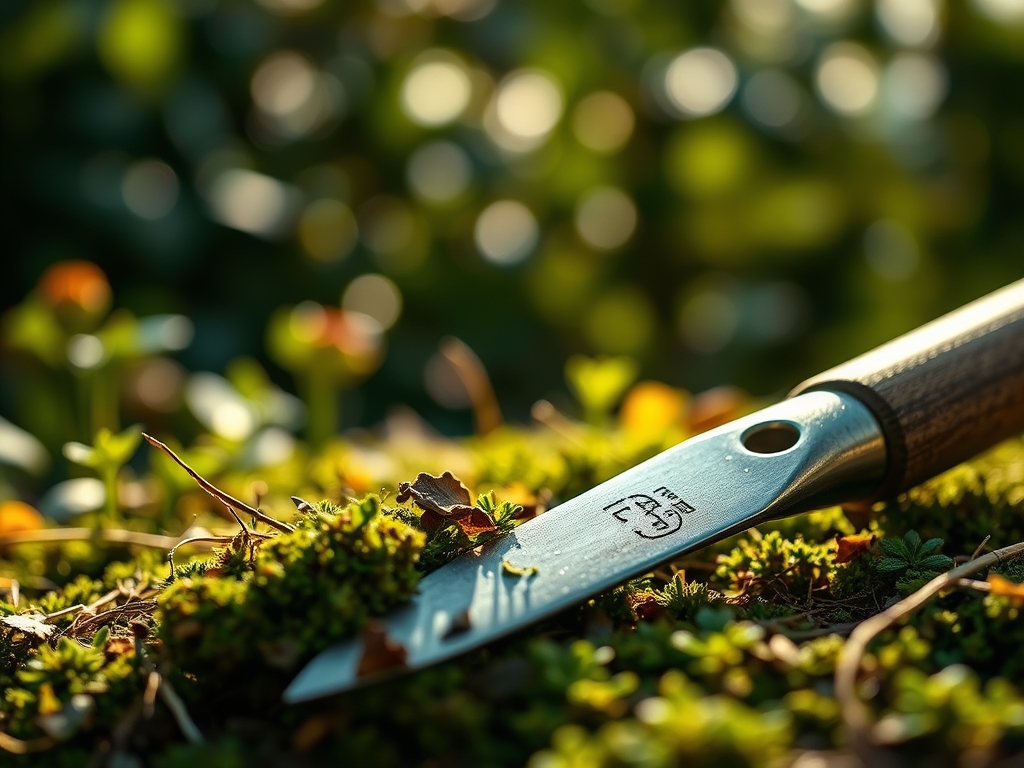
When moving container-grown stock, inspect for circling roots. Use a hori-hori knife to make vertical scores in the root ball. This mechanical disruption encourages lateral root branching into the surrounding native soil. Dig the hole twice as wide as the root ball but no deeper than the root flare.
Pro-Tip: Use an inoculant containing mycorrhizal fungi during this phase. This symbiotic relationship extends the root surface area by up to 1,000 percent, significantly increasing the uptake of immobile nutrients like phosphorus through fungal hyphae.
Establishing
The first 90 days are critical for vascular integration. Monitor the plant for signs of transplant shock, such as premature leaf senescence. Water deeply and infrequently to encourage deep root penetration rather than shallow surface roots.
Pro-Tip: Suppress apical dominance by selective pruning if the plant becomes leggy. This redistributes auxins to the lateral buds, resulting in a bushier, more structurally sound specimen. This hormonal manipulation is essential for creating dense hedges and privacy screens.
The Clinic:
Physiological disorders often mimic disease but are usually rooted in environmental stress or nutrient imbalances.
- Symptom: Interveinal chlorosis on young leaves.
- Solution: This indicates Iron deficiency, often caused by high pH (above 7.5) which locks up micronutrients. Apply chelated iron or lower the pH using elemental sulfur.
- Symptom: Leaf tip burn or marginal necrosis.
- Solution: This suggests Salt toxicity or drought stress. Flush the soil with heavy irrigation to leach accumulated salts from the root zone.
- Symptom: Stunted growth with purple-tinted foliage.
- Solution: This is a classic sign of Phosphorus deficiency. Ensure soil temperatures are above 55 degrees Fahrenheit, as cold soil inhibits phosphorus uptake even if the nutrient is present.
Fix-It: For general Nitrogen chlorosis (yellowing of older leaves), apply a quick-release urea-based fertilizer at a rate of 1 pound of actual nitrogen per 1,000 square feet.
Maintenance:
Precision maintenance prevents the need for reactive "rescue" chemistry. Deliver 1.5 inches of water per week at the drip line, which is the outermost circumference of the tree canopy where the most active feeder roots reside. Use a soil moisture meter to verify that water is penetrating to a depth of 6 to 8 inches.
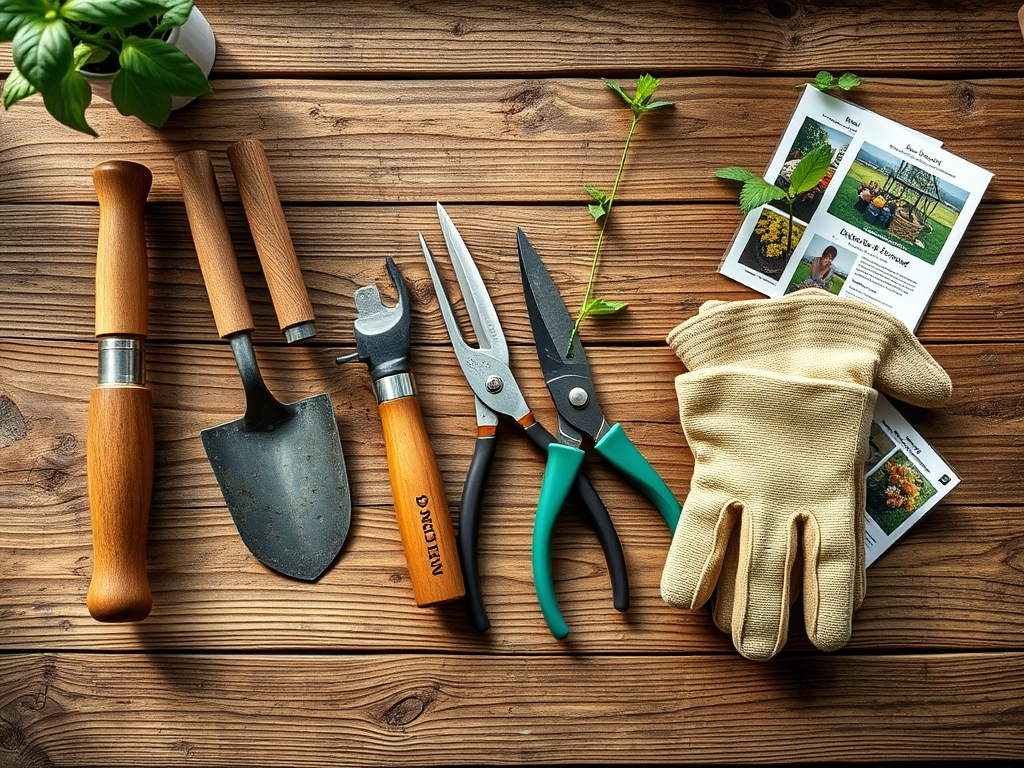
For pruning, use bypass pruners for living tissue to ensure a clean, scissor-like cut that heals quickly. Anvil pruners should be reserved for dead wood only, as they crush living vascular tissue and invite pathogens. Keep a hori-hori knife on hand for weeding and small-scale excavation. This tool is the backbone of professional weeding because it allows for the removal of the entire taproot, preventing regrowth from dormant nodes.
The Yield:
When harvesting flowers or woody stems, timing is paramount. Harvest in the early morning when turgor pressure is at its peak. This ensures the cells are fully hydrated and the stems are rigid. Use a sharp, sterilized blade to make a diagonal cut; this increases the surface area for water uptake.
Immediately plunge the stems into water at 100 degrees Fahrenheit containing a floral preservative. The warm water moves more quickly through the xylem, while the preservative lowers the pH and provides a carbohydrate source. Store the harvest in a cool, dark environment at 34 to 38 degrees Fahrenheit to slow the rate of respiration and extend the post-harvest life.
FAQ:
What is the best tool for weeding large areas?
A scuffle hoe or stirrup hoe is the most efficient. It cuts weeds just below the soil surface on both the push and pull stroke. This minimizes soil disturbance and prevents dormant weed seeds from being brought to the surface.
How do I fix compacted soil?
Use a core aerator to remove plugs of soil. This increases oxygen diffusion to the rhizosphere and improves water infiltration. Follow aeration with a top-dressing of fine compost to fill the holes and introduce organic matter into the subsoil.
When is the best time to prune most shrubs?
Prune late-winter or early-spring before the first flush of growth. This allows the plant to direct its spring energy surge toward healing the wounds. For spring-flowering shrubs, wait until immediately after the bloom to avoid removing next year's buds.
Why are my plants wilting despite wet soil?
This is likely root rot caused by overwatering. Saturated soil lacks oxygen, causing root cells to die and rot. Once the roots are compromised, they can no longer transport water to the leaves, resulting in a paradoxical wilt.